
 Buy & Sell
 All EV Sales
 Explore
 Account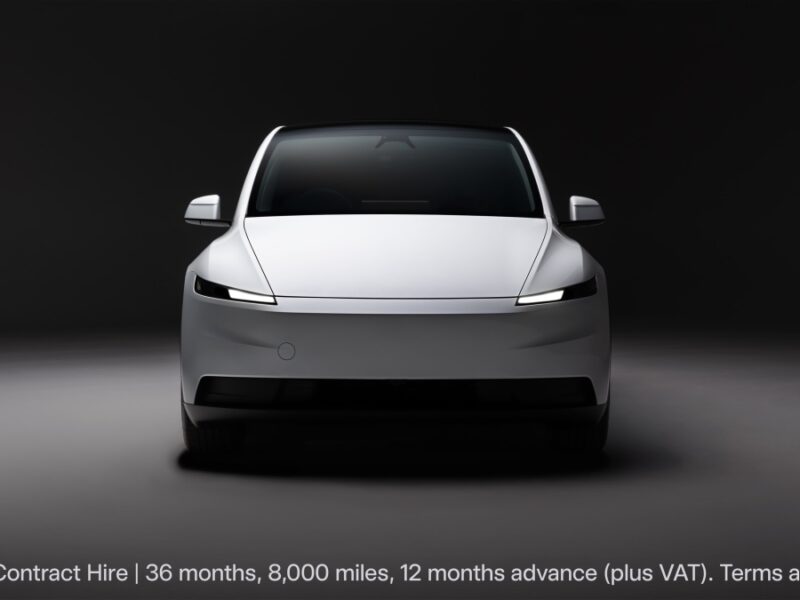
The electric vehicle (EV) industry continues its steady march forward, fueled by innovation, pricing competition, and expanded accessibility. The latest headlines in the EV world paint a picture of a rapidly diversifying market — where affordable options, new entrants, and smarter energy solutions are shaping the next phase of the electric transition. Across continents, from Europe to Australia, automakers and energy tech companies are recalibrating their strategies to make electric mobility more practical and appealing.
Tesla Expands Its Reach with a Lower-Priced Model Y
Tesla’s grip on the global EV stage remains firm, yet the company appears to be rethinking its approach to affordability and regional strategy. The latest addition to the UK market — a lower-priced Tesla Model Y variant — signifies a noteworthy pivot. The launch may preface a broader rollout to other right-hand-drive markets, such as Australia and New Zealand. With Tesla facing intensified pressure from Chinese manufacturers offering comparable technology at lower cost, the move to refresh its entry-level Model Y pricing could preserve its market foothold. Both consumers and analysts interpret this step as not only a response to demand elasticity but also as a sign of Tesla adapting to the global cost war in EVs.
BYD’s Premium Push: Denza D9 Approved for Sale in Australia
Where Tesla aims downward in price, BYD’s premium arm, Denza, is aiming upmarket. The Denza D9 electric people mover has received the green light for Australian sales — a milestone that marks the brand’s growing influence outside China. The D9, known for its luxurious design and long-range capability, provides a glimpse into how BYD is trying to capture multiple price segments simultaneously. This diversification strategy is notable because it complements BYD’s already successful entry-level models in markets like Australia, where EV adoption is accelerating due to consumer choice and improved infrastructure.
EV Sales Surge in Australia as Newcomers Gain Ground
Data from 2025 shows a 10 percent year-over-year increase in Australian EV sales, even as Tesla’s local deliveries plateau. Much of this growth is attributed to brands like BYD, Kia, and emerging Chinese startups that are aggressively pricing vehicles. This shift illustrates a broader democratization of electric mobility — once dominated by premium players. The proliferation of more affordable models now places EVs within realistic reach for middle-income buyers. The competition in this space also underscores Australia’s shifting automotive identity, which is gradually moving from reliance on imported combustion vehicles toward self-sustaining, electrified fleets.
European Success, Australian Absence: The Renault 5 Phenomenon
In Europe, the Renault 5 E-Tech is making a bright resurgence as an icon reincarnated in electric form. The compact hatchback has swiftly climbed to number one in its category across the continent. Yet despite its success, Renault has no current plans to introduce it in Australia — a decision that disappoints enthusiasts but may reflect strategic prioritization of markets where small car demand remains strongest. The Renault 5’s triumph serves as an important reminder of the power of retro design paired with modern efficiency — and of the potential for this formula to resonate universally if manufacturers choose to scale it globally.
Innovation in Charging and Energy Management
Infrastructure continues to stand out as a frontier for improvement, and several new stories highlight how progress is taking shape. EVX, a company focused on kerbside EV charging, has joined the Chargefox platform — one of Australia’s largest public charging networks. This integration brings hundreds of new street-level chargers online, enabling urban EV owners who lack private driveways to conveniently plug into the grid. For many densely populated communities, this kind of access could be transformative.
Parallel to infrastructure expansion, household energy technology is advancing at remarkable speed. Anker’s SOLIX X1 — a sleek, ultra-thin battery designed for home garages — is gaining traction among solar-conscious EV owners. Its appeal lies in its small footprint and ability to integrate seamlessly with solar arrays and vehicle chargers, creating what some are calling the “electric garage.” As more owners seek independence from grid energy prices, such integrated energy storage products are becoming pivotal to sustainable living.
New Tech and Awareness Pushing the Frontiers of Education
Electric enthusiasm isn’t confined to consumers and corporations. In Australia, engineering students are building open-wheeler electric race cars as part of national competitions. These student-built prototypes represent a convergence of academic innovation and motorsport engineering, offering real-world platforms for testing vehicle dynamics, battery safety systems, and power efficiency. Such initiatives nurture the next generation of EV engineers while demonstrating how performance and sustainability can coexist.
A Reality Check: Real-World Range Testing
Even as enthusiasm grows, realism persists. Recent Australian motoring body tests reveal that several popular EV models — including those from Tesla, Kia, and MG — underperform compared to their advertised driving ranges. This gap underscores the importance of real-world evaluations, reminding consumers to balance expectations with conditions such as climate, terrain, and driving style. These findings also pressure manufacturers to optimize efficiency and improve transparency in their range claims.
Broader Sustainability Questions
Beyond vehicles themselves, the sustainability conversation is deepening. In Europe, revelations about the oil industry’s reliance on biofuels sourced from animal fats — alarmingly quantified as up to 120 pigs per car, per year — are prompting ethical and environmental debates. Such stories highlight the ongoing complexity of the energy transition: while EVs represent progress toward decarbonization, not all alternatives proposed by incumbent energy players withstand scrutiny.
The Road Ahead
From affordability breakthroughs to student-engineered race cars, the electric revolution is clearly widening its footprint. Emerging energy solutions, infrastructure improvements, and global collaboration are crystallizing into a more resilient ecosystem. The headlines of this week reveal that the EV movement is no longer a niche curiosity — it is a mainstream industrial transformation, one balancing technological optimism with pragmatic realism about what true sustainability requires.
All EV Sales Research Team
12/6/2025