
Polestar 3 Sees Massive Discounts as EV Prices Face a Reality Check
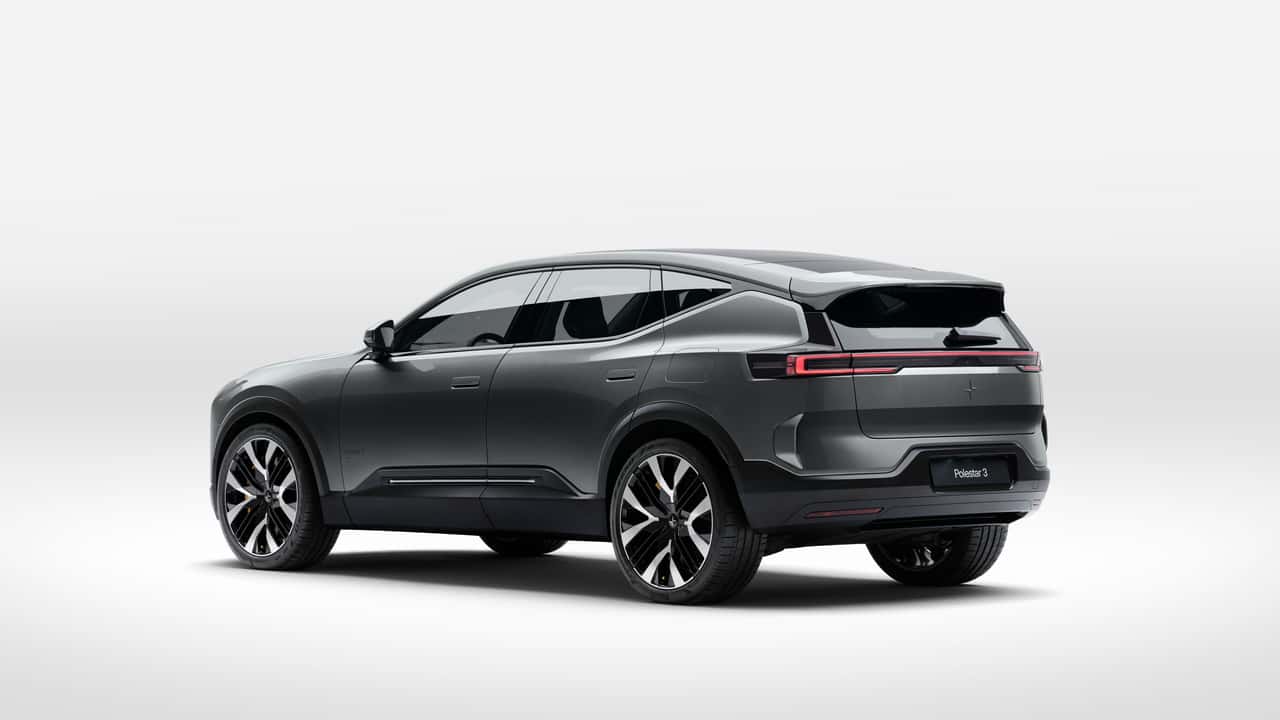
Over the past few years, Americans have grown increasingly vocal about the stunning rise in new-car prices. With the average transaction now hovering around the $50,000 mark, many potential buyers find themselves priced out of the market—or at least far more cautious about where their dollars go. Electric vehicles, once buoyed by generous federal and state tax credits, have not escaped the squeeze. But for those who still want a premium EV without breaking the bank, a surprising opportunity has emerged.
Polestar, the EV brand affiliated with Volvo, is now offering one of the most aggressive discounts in the American car market. Under what it calls the Polestar Clean Vehicle Incentive, buyers can save as much as $18,000 to $20,000 off the sticker price of a brand-new Polestar 3 SUV. That level of discount is almost unheard of in today’s auto landscape, particularly for a vehicle that combines sleek Scandinavian design with performance credentials to rival much more expensive electric SUVs.
The offer applies to 2025 model-year Polestar 3s purchased through Polestar’s own financing arm. In short, customers with solid credit who finance—rather than lease—their vehicle directly through Polestar can access this major price drop. The incentive runs through early January, giving buyers a limited window to act.
Big Discounts, Big Savings
To put that into perspective, the Polestar 3’s baseline version—the long-range, single-motor, rear-wheel-drive configuration—now starts at around $49,500 before taxes and fees with the discount applied. That figure represents a major leap down from typical luxury EV pricing. Despite the slashed cost, it still offers an impressive suite of features: up to 350 miles of range, 299 horsepower, and 250-kilowatt fast-charging capability that brings the battery from 10% to 80% in just half an hour. It runs on Android Automotive OS with Google Built-In, giving drivers native access to Google Maps, Assistant, and other familiar tools.
At higher trim levels, the deals remain equally tempting. The dual-motor version of the Polestar 3 elevates performance to 489 horsepower, increases grip with all-wheel drive, and still maintains a respectable 315 miles of range while costing $55,400 after the incentive. Buyers wanting maximum thrill can opt for the performance package, which raises output to 517 horsepower and hits 60 mph in under five seconds—all for about $61,400, a significant drop from its prior near-$80,000 asking price.
The Trade-Off: New Tech on the Horizon
There is one caveat. This discount only applies to 2025 models, and the 2026 Polestar 3 is expected to bring notable improvements. Updates include an 800-volt electrical system for faster charging, a more powerful central computing unit, and new battery technology. Those upgrades will likely push future models back into a higher price bracket when they debut. Even so, many shoppers will see the current incentive as a rare opportunity to buy a well-equipped EV below the psychological $50,000 threshold.
For perspective, that pricing aligns closely with the national average cost of a new vehicle—something that used to be reserved for family sedans or midsize crossovers, not premium electric SUVs. In 2018, that average was closer to $38,000, underscoring how the past few years have reshaped expectations around vehicle affordability.
Why Polestar Is Pushing Hard
Polestar’s decision to slash prices also reflects the shifting reality of the global EV market. Demand growth has slowed in several regions, inventories have expanded, and competition from both established automakers and new players—particularly from China—has intensified dramatically. While Tesla, Hyundai, and Kia continue to dominate U.S. EV sales volume, smaller brands like Polestar are fighting to raise awareness and clear stock. Deep discounts like these could help bridge that gap.
The brand’s positioning has also been in flux. As a joint venture between Volvo and China’s Geely, Polestar has sought to carve an identity centered on clean Scandinavian design and performance-focused engineering. However, without federal tax incentives on some of its models and a looming wave of new competitors, it needed a strong move to capture attention during the crucial end-of-year sales period.
A Solid Deal for Smart Timing
For buyers, the timing might be serendipitous. Interest rates remain relatively high, and new vehicle affordability remains a core concern, even among wealthier customers. A premium EV capable of rivaling options from Audi, BMW, and Tesla at a mainstream price point will likely appeal to those willing to take advantage before inventory runs out or before the 2026 models arrive with a higher base price.
In practical terms, a Polestar 3 purchased under this incentive could give owners a well-balanced package—strong range, quick charging, dynamic chassis tuning, and a stylish, tech-forward interior—for essentially the same money as a midlevel gas-powered SUV. With the average car buyer in America now expecting to spend around $50,000 on a new vehicle, Polestar’s discount might be less a luxury splurge and more an indication that EV makers are being forced to meet the market where it stands.
Whether this signals a longer-term pricing shift for Polestar or simply a short-term sales play remains to be seen. Still, in a market starved for good deals on new vehicles, the Polestar 3’s temporary markdown could be one of the most eye-catching offers of the season.