
Chevy Equinox EV vs. 2026 Nissan Leaf: Two Affordable Electric Crossovers Redefine the Market
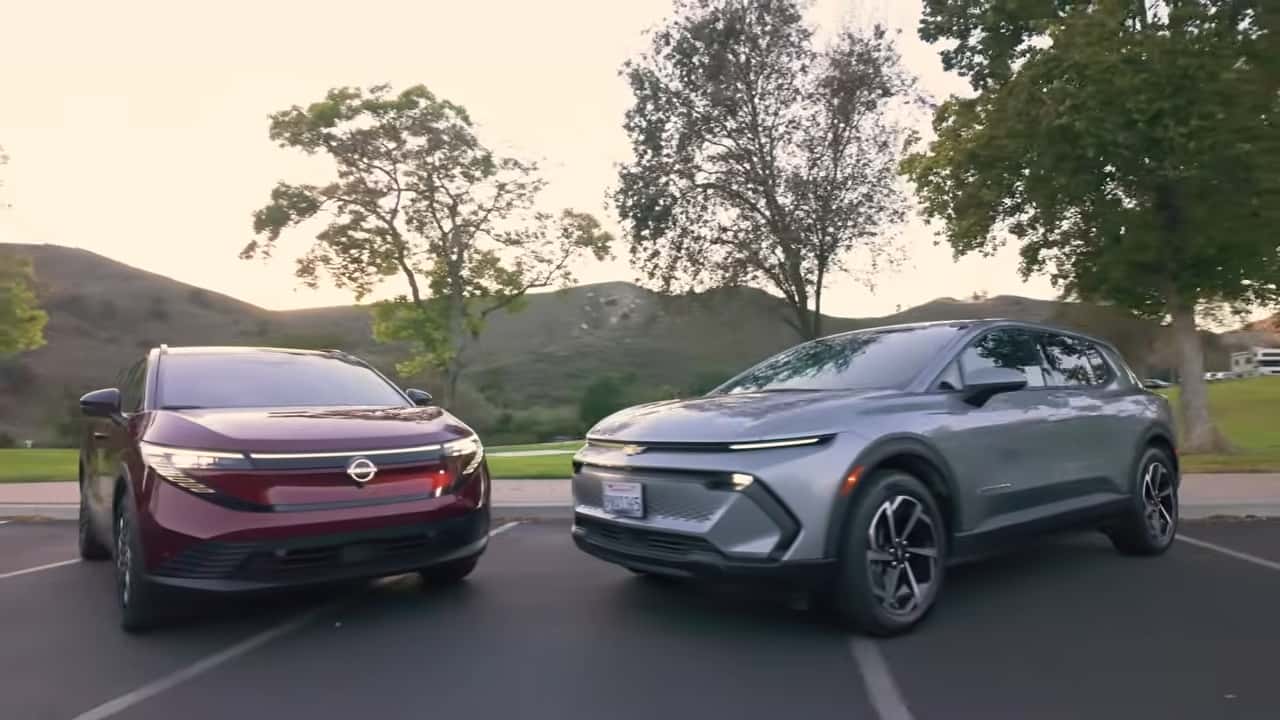
Electric vehicles have come a long way from being status symbols for early adopters. Once seen as pricey novelties for environmentally conscious luxury buyers, EVs are now breaking into the mainstream with competitive pricing, better range, and features that rival—or even surpass—traditional gasoline-powered cars. The latest examples of this progress are the Chevrolet Equinox EV and the all-new 2026 Nissan Leaf, two models that deliver over 300 miles of driving range for under $40,000. In a market once dominated by high-end Teslas and boutique brands, these two EVs mark a turning point for affordable electrification.
The Changing Landscape of EV Value
Across Europe and China, affordable EVs have already gained massive traction, but the United States is catching up quickly. With increasing investments in battery technology and manufacturing, models like the Equinox EV and the next-generation Leaf are proof that Americans can now find capable and high-range EVs without spending a fortune. Buyers are no longer forced to compromise on practicality or performance when choosing to go electric.
Shared Strengths: Technology and Efficiency
Both the Chevrolet Equinox EV and the 2026 Nissan Leaf share some remarkable similarities. The Equinox EV, recently named a breakthrough electric vehicle of the year by several auto publications, is driven by an 85-kilowatt-hour battery pack that provides an estimated range of up to 319 miles depending on trim. It supports DC fast charging at speeds up to 150 kilowatts, allowing it to charge from 10% to 80% in about 35 to 40 minutes under ideal conditions.
The new Nissan Leaf, now a fully redesigned model unrelated to its older, more basic predecessor, offers an equally impressive performance profile. Equipped with a 75 kWh battery, it can achieve around 303 miles of range per charge. Charging speeds match those of the Chevy, topping out at 150 kW, meaning both can replenish a substantial amount of range during a coffee stop on a road trip.
Nissan has transitioned to the increasingly standard North American Charging Standard (NACS) connector—made famous by Tesla—for rapid charging, while still providing a conventional J1772 port for slower, at-home charging. It’s a slightly unusual setup, but it gives drivers flexibility across a growing network of chargers. Meanwhile, Chevrolet’s Equinox EV holds an advantage in offering both front-wheel and all-wheel drive options, giving buyers more variety based on their regional needs and driving preferences. Nissan’s model remains front-wheel-drive only, which may limit traction in harsher climates.
Pricing and Real-World Value
On paper, the new Leaf starts at just under $30,000, making it one of the least expensive EVs with more than 300 miles of range. However, reports suggest that the base trim may be elusive in dealerships. Most buyers will likely find the mid-tier SV Plus version, which starts around $34,000, to be the sweet spot. That trim adds substantial interior and tech upgrades, including premium seat materials, improved audio, a larger infotainment display, additional USB ports, and a heat pump system that boosts cold-weather efficiency.
The Chevrolet Equinox EV starts slightly higher at $33,600 before fees or incentives. However, once equipped with similar features and options, both EVs overlap in pricing. At the upper end, a fully loaded Equinox EV can reach around $50,000, while a top-tier Leaf remains closer to the low $40,000 range. Still, the Equinox EV tends to deliver a slightly larger and more refined package—offering more passenger and cargo space, as well as a ride quality that many reviewers rank above its Nissan counterpart.
In-Car Tech: Familiar Names, New Experiences
Both electric SUVs come equipped with infotainment systems built on Android Automotive OS, complete with Google’s voice assistant and built-in Google Maps. However, there’s a notable difference in approach between GM and Nissan. Chevrolet includes an eight-year subscription to these connected services at no extra charge, giving Equinox EV owners long-term access to Google’s GPS and voice integration. In contrast, Nissan’s Leaf includes just one year of access before requiring a subscription renewal.
That said, the Leaf offers something the Equinox EV notably lacks: support for Apple CarPlay and Android Auto smartphone mirroring. GM’s decision to phase out smartphone projection in favor of its Google-based system has been controversial, so for buyers who rely heavily on their smartphone ecosystem, this could be a deciding factor.
Which One Wins?
Comparing both vehicles side by side, the Equinox EV positions itself as the more versatile choice, particularly for families and commuters who value space, ride comfort, and long-term features. The Leaf, however, stands out for tech flexibility, efficient power use in colder weather, and a slightly lower entry price. The true “winner” may depend on personal priorities: the Equinox for versatility and range confidence, or the Leaf for its refined, easygoing driving experience.
Ultimately, both vehicles reinforce an encouraging trend. Their presence signals that accessible, long-range EVs are no longer rare or aspirational—they’re the new standard. For consumers, this competition means more options at fairer prices and a faster shift toward sustainable driving. The future of electric mobility isn’t just for the wealthy anymore; it’s for everyone ready to plug in and drive forward.