
From Gas to Electric: Why One Driver Chose to Stay Plugged In with the Chevy Blazer EV
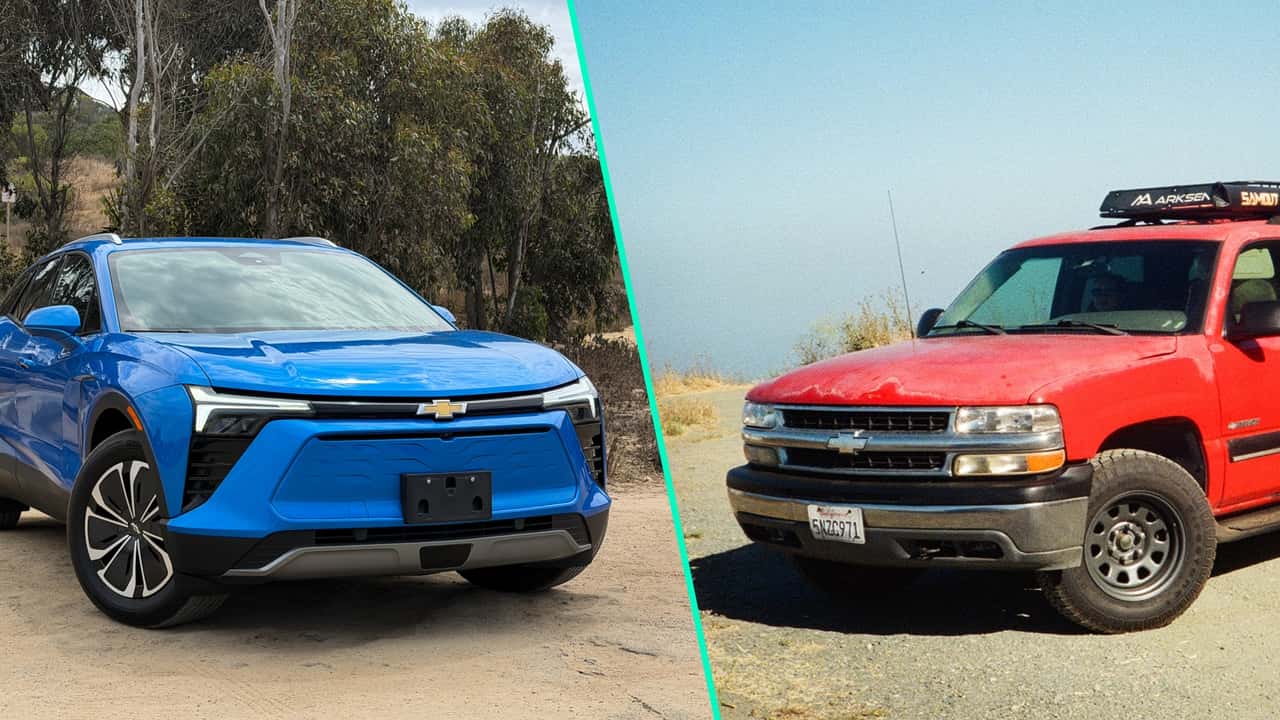
When faced with the end of a two-year electric vehicle lease, one driver thought they might return to gasoline power. But as the reality of car shopping set in, that plan quickly fell apart. What began as a simple hunt for an affordable all-wheel-drive SUV became a lesson in how hard it is to go back to internal combustion once you’ve lived with an EV.
The driver had set a firm budget—no more than $10,000. That figure once guaranteed a solid used car, maybe a few years old with minor work needed. But the used car market is not what it used to be. Prices, availability, and condition have all shifted since pre-pandemic days. Within that budget, the only real contenders were older, well-worn gas SUVs or a used Chevy Bolt. Neither felt quite right. The SUV options were either dated, high-mileage, or known for expensive upkeep, while the Bolt lacked fast charging and the comfort needed for long-distance travel.
The deeper issue wasn’t price; it was conviction. After two years of driving electric, the thought of returning to a gasoline-powered vehicle felt impossible. The comparison wasn’t even close. Electric vehicles had changed daily driving from a chore into something smooth, quiet, and dependable. Even camping trips deep into California or Utah’s wild landscapes—places that used to demand rugged all-wheel-drive setups—no longer required a compromise. With the right EV, the same adventures were not only doable but better.
The writer realized they were spoiled by electric convenience. There’s no gas station smell, no sticker shock at the pump, no transmission lag, and no waiting for a turbocharger to spool up. EVs deliver immediate torque that makes every drive a little more fun. Keeping the car’s climate control running while parked—maybe for a dog waiting inside or while sleeping overnight on a camping trip—is effortless. The idea of going back to oil changes, spark plug replacements, or four-figure transmission repairs suddenly felt prehistoric.
Looking for a used gas-powered SUV reaffirmed just how much maintenance and uncertainty those vehicles demand. Every mechanical part is a potential point of failure. Anyone who’s owned a string of fossil-fuel cars knows the dread of mystery lights, grinding noises, and inevitable repair bills. In contrast, EVs drastically reduce that equation. Over two years with the first Blazer EV, the only service needed was tire rotation. Regenerative braking kept the brake pads nearly new, and the absence of an engine, transmission, or exhaust system meant fewer things to wear out.
For all that simplicity, the Blazer EV still delivered luxury-like comfort—smooth power, advanced technology, and thoughtful design touches that made every drive better. So rather than gamble with another questionable used vehicle, the decision became obvious: buy another Blazer EV.
The replacement came nearly identical to the outgoing lease—a 2024 Chevy Blazer EV LT2 with all-wheel drive and a panoramic moonroof. The first had been in red; the new one, a deep Riptide Blue Metallic. Otherwise, the formula was the same: 279 miles of range, adaptive cruise control, heated seats and steering wheel, a massive 17.7-inch display, and more ground clearance than many SUVs known for off-road capability.
The only real choice was whether to include the moonroof. The driver loved open-air travel and the ability to block out the sun with a physical shade, something few modern vehicles still offer. It was an easy yes.
This time, though, the purchase wasn’t new. Used EVs have quietly become some of the best values on the market, largely due to steep depreciation. That drop in price, paired with low maintenance and a robust battery warranty, makes them attractive compared to similar-age gas cars. In this case, the slightly used Blazer EV cost under $24,000—with plenty of battery warranty left and no reason to expect major expenses for years to come.
The experience revealed a broader truth: the perception of what’s required for adventure and dependability is changing. Electric crossovers like the Blazer EV are proving capable of handling rugged back roads and remote trips while erasing most of the headaches tied to traditional ownership. Once you’ve lived without the upkeep, unpredictability, and emissions of a gas-powered car, returning feels like a step backward.
For a long time, many drivers saw electrification as a future inconvenience—a trend they’d reluctantly adopt someday. But those who’ve lived with EVs are starting to tell a different story. The shift isn’t about sacrifice or virtue; it’s about improvement. Lower operating costs, instant acceleration, quiet comfort, and reliability that reshapes expectations make it difficult to imagine driving anything else.
As electric vehicles continue to improve—and as the used market fills with high-quality options—the odds of going back to gas shrink even further. For some drivers, that moment has already arrived. The Blazer EV might just symbolize more than a car purchase; it marks the end of an era when gasoline was still the default choice. Once you’ve gone electric and discovered that it can take you everywhere you want to go—quietly, cleanly, and confidently—there’s really no looking back.