
The EV Market Is Entering Its Next Phase: Longer Range, Smarter Cars, and More Hybrid Competition
The electric-vehicle market is becoming more complicated—and more competitive
The latest electric-vehicle news points to an industry moving beyond its early phase of headline-grabbing launches and rapid experimentation. Automakers are now focusing on the harder work of making EVs more practical, profitable, affordable, and appealing to a broader audience. The stories in this feed show a market being shaped by longer range, faster charging, new vehicle formats, changing tax incentives, software, autonomy, and a renewed interest in hybrids and extended-range electric vehicles.
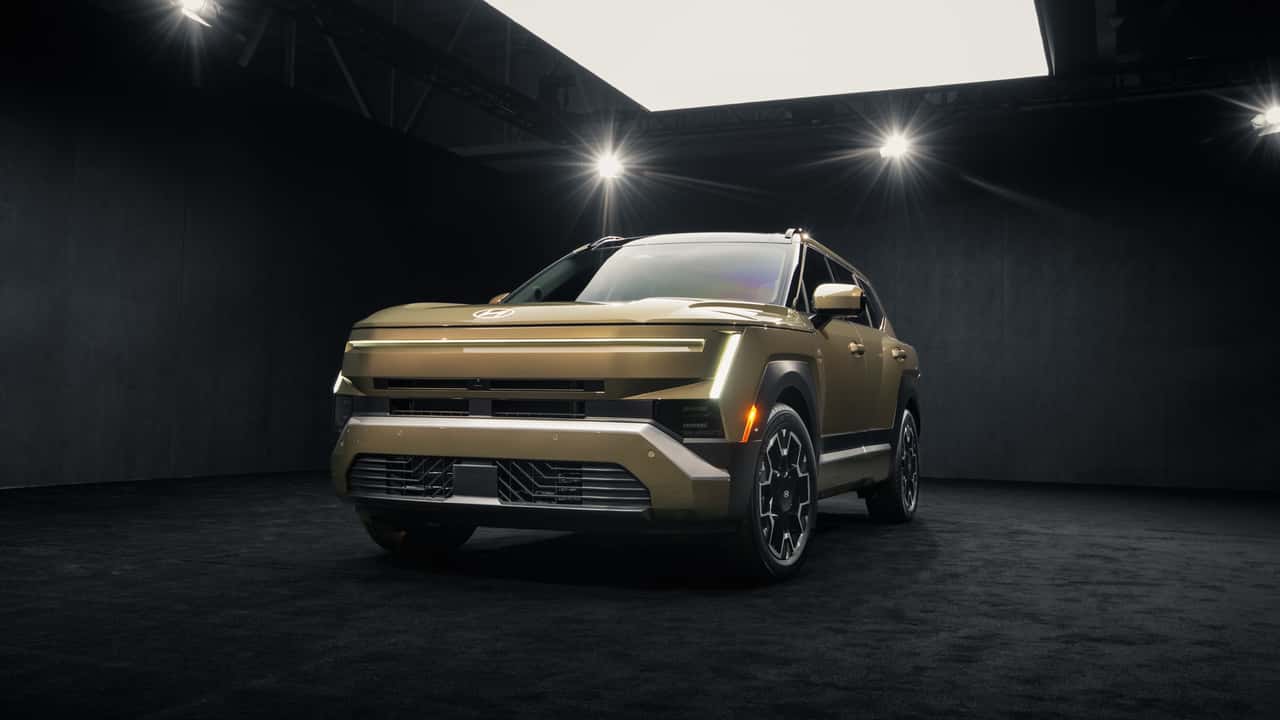
One of the clearest trends is the steady improvement in vehicle size, efficiency, and usability. Hyundai’s best-selling model is becoming larger, more efficient, and more upscale, reflecting how electric vehicles are increasingly expected to deliver the comfort and flexibility traditionally associated with premium cars. Volkswagen’s newest small EV is also described as surprisingly mature on a European road trip. Its road manners and overall refinement may make it one of Volkswagen’s strongest electric products yet, although its price shows that a well-rounded EV still does not necessarily mean an inexpensive one.
Range remains one of the industry’s most visible battlegrounds. The number of electric cars capable of traveling at least 300 miles has grown to 47, adding five vehicles since the previous major update. That expansion suggests that long-distance capability is no longer limited to a small group of luxury models. BMW’s new i3 is particularly notable, with an advertised EPA-cycle range of up to 468 miles. The model’s dual-motor, all-wheel-drive configuration continues, even as the battery has been downsized in one version, highlighting how improvements in efficiency can sometimes compensate for a smaller battery pack.
Charging is advancing alongside range. One popular SUV is expected to receive an electric counterpart with charging capability of up to 350 kilowatts and an estimated range near 400 miles. Meanwhile, one charging network has surpassed 180 sites in the United States and is continuing to expand. These developments matter because EV ownership depends on more than the vehicle itself. Public charging availability, charging speed, and the ability to plan reliable long trips remain central to consumer confidence.
The market is also becoming more sensitive to economics and policy. Chevrolet Silverado EV sales reportedly fell 92% year over year, but the decline appears to be connected largely to changes involving tax credits rather than a simple collapse in consumer interest. This illustrates how strongly incentives can affect EV demand, pricing, and sales comparisons. Ford’s planned electric pickup priced around $30,000 is therefore strategically important. The vehicle could give the automaker a chance to reset its EV business and reach customers who have been priced out of larger electric trucks. However, competing in this segment will be difficult because affordability must be balanced against battery costs, manufacturing expenses, capability, and profit margins.
The feed also points to a broadening range of electric transportation beyond passenger cars. A package delivery company plans to deploy American-made electric vehicles from Harbinger in the United States and Canada. Commercial fleets are particularly important to electrification because delivery vehicles follow predictable routes, return to depots, and can often charge overnight. Lower fuel and maintenance costs may make electric vans and trucks more attractive for businesses even when upfront prices remain higher than those of conventional vehicles.
At the same time, automakers are not abandoning combustion engines. Toyota and Lexus are seeing a growing share of sales come from EVs, hybrids, and plug-in hybrids, and the company intends to continue expanding those offerings. Nissan is also preparing more hybrids and extended-range electric vehicles, or EREVs, as hybrid demand grows. These models can provide electric driving for many trips while reducing concerns about charging infrastructure and long-distance travel. Their popularity indicates that the transition to fully electric vehicles may be less linear than many industry forecasts once suggested.
Technology is another major theme. One automaker is working on a solution intended to slow battery degradation, an area that could improve resale values and reduce long-term ownership concerns. Vehicle-to-load capability is finally arriving for an electric sedan, allowing the car’s battery to power external devices, although the feature will initially be restricted to certain markets. A hidden camera integrated into a rearview mirror can stream a live feed directly to a vehicle owner’s smartphone, showing how connected-car features are becoming more sophisticated—and raising new questions about privacy and security.
Autonomy is progressing more cautiously. Rivian still plans to introduce a new autonomy computer and lidar system this year, but customers will not be able to purchase the hardware directly. That distinction suggests a gradual approach in which advanced driving technology may be deployed through future vehicles, software updates, or fleet testing rather than offered immediately as a simple consumer upgrade.
The global business environment is also influencing EV strategy. Chinese investors own approximately 20% of Mercedes shares, and potential legal requirements could force the company to reduce that proportion. Such developments demonstrate that the EV industry is shaped not only by engineering and consumer demand, but also by investment rules, national security concerns, supply chains, and geopolitical relationships.
Taken together, these stories show an EV sector entering a more pragmatic era. Automakers are chasing greater range and faster charging, but they are also experimenting with hybrids, commercial vehicles, battery-health solutions, connected features, and more affordable products. The winners will likely be companies that can combine technological progress with dependable manufacturing, reasonable prices, strong charging support, and products suited to different markets. Electric vehicles are still expanding, but the next stage of the transition will be determined less by novelty and more by execution.