
EV Market Shifts Into a More Complicated Phase as New Models, Delays, and Policy Battles Collide
The electric-vehicle market is expanding—but not in a straight line
The latest EV news paints a picture of an industry moving rapidly in several directions at once. Automakers are introducing new electric crossovers, sedans, sports cars, and affordable city vehicles, while regulators debate advanced driver-assistance systems and governments contend with shifting policies. At the same time, uneven consumer demand, high prices, infrastructure limitations, and delayed vehicle programs are forcing manufacturers to reconsider their plans.
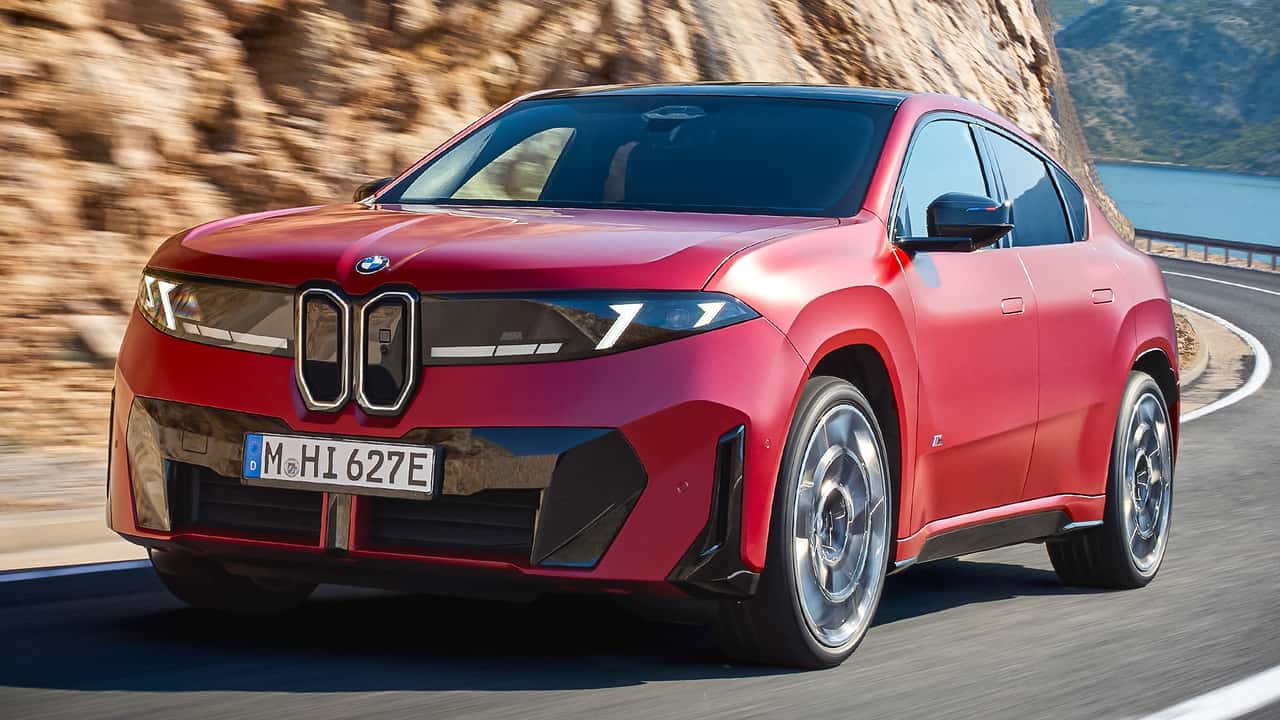
One of the clearest themes is the continuing expansion of the electric crossover segment. BMW is preparing its first iX4, a model expected to offer a driving range close to the iX3’s remarkable 434-mile estimate. Long-range vehicles remain strategically important because range anxiety is still one of the biggest barriers for potential EV buyers. Although charging networks are improving, a vehicle that can travel farther between charging stops remains easier to use for road trips and appealing to drivers who cannot charge frequently at home.
Other new products are targeting different parts of the market. Kia’s newest and least expensive EV is being praised for combining a range of up to 321 miles with strong value, suggesting that practical pricing and usable range may be more important to mainstream buyers than luxury features. Mitsubishi’s Eclipse Sportback EV, by contrast, faces a tougher challenge: its base price is reportedly $8,000 higher than that of the entry-level 2027 Nissan Leaf. As more affordable models arrive, pricing differences will become increasingly significant, particularly for customers comparing vehicles with similar dimensions and range figures.
Premium EVs are becoming more ambitious—and more divisive
At the other end of the market, Jaguar is attempting one of the most dramatic reinventions in the auto industry. Its first electric model following the brand’s controversial rebrand has generated strong reactions, and executives appear willing to accept that not everyone will approve of the new direction. The Type 01 four-door GT is intended to serve as the visual and strategic centerpiece of the relaunch, with additional models expected to follow.
The company is placing particular importance on the United States and Canada despite the Type 01’s approximately $130,000 price tag. That focus reflects the purchasing power of North American luxury-car customers, but it also raises questions about how much demand exists for an expensive electric vehicle from a brand still rebuilding its identity. The car’s styling may attract attention, yet its price and practicality could limit its audience. In the premium segment, distinctive design can create valuable visibility, but it can also alienate buyers who prefer more familiar proportions and understated styling.
The same tension is visible across the performance market. Sales of the world’s only electric muscle car have fallen by nearly 90 percent compared with last year, highlighting the difficulty of selling expensive, niche EVs even when they offer impressive acceleration. Porsche, meanwhile, has finally settled on a direction for its next 718 sports car after extended uncertainty. The decision illustrates how established performance brands are balancing electric powertrains with the emotional expectations associated with sports cars.
Regulation and driver assistance remain contentious
Tesla’s Full Self-Driving system continues to generate controversy as European approval remains delayed. Supporters, including Elon Musk and a large online following, have argued that postponing approval could cost lives. Scientists, however, say there is no evidence supporting those claims. German regulators reportedly support approving the system across Europe but want Tesla to abandon the “Full Self-Driving” name, presumably because the branding may imply a level of autonomy the technology does not currently provide.
This dispute reflects a broader challenge for the industry: advanced driver assistance is progressing faster than public understanding and regulatory agreement. Naming, marketing, safety claims, and real-world performance all influence consumer expectations. Regulators must determine whether systems meet safety requirements, while automakers must communicate their limitations clearly. The debate is unlikely to disappear as more vehicles receive increasingly sophisticated automated-driving features.
Charging convenience and energy flexibility are expanding
Several developments in the feed focus on making EVs more useful beyond simply transporting passengers. Tesla’s Powershare feature, previously limited to the Cybertruck, is becoming available in a wider context. Vehicle-to-home and vehicle-to-load functions can allow an EV to provide electricity to a house, tools, appliances, or other equipment. Having a household outlet built into a vehicle is particularly useful during power outages, camping trips, construction work, and emergencies.
Honda is also preparing to test a wireless charging system embedded in a section of highway near Tokyo. Such technology remains experimental, but it points toward a future in which charging could happen while vehicles are parked—or potentially while they are moving. Widespread dynamic wireless charging would require major infrastructure investment and careful standardization, yet even limited deployment could help address battery-size and charging-time concerns.
The feed also highlights the importance of consumer education. Seth Cutler, an EV executive, acknowledges that electric vehicles are the future but says buyers need better information about range and charging. That education is essential because real-world range depends on temperature, speed, payload, driving style, and access to charging. Clearer guidance could reduce uncertainty and help customers choose vehicles that genuinely fit their routines.
Market volatility is reshaping automakers’ plans
The industry’s transition is not happening without setbacks. A growing list of paused, canceled, and delayed EV programs shows that manufacturers are responding to policy changes, fluctuating demand, high development costs, and uncertain profitability. Companies may still believe in electrification while adjusting launch dates, battery strategies, or product mix.
Meanwhile, gasoline shortages in Russia are pushing more buyers toward electric cars and plug-in hybrids, many of which come from China. This demonstrates how local conditions can accelerate EV adoption for reasons beyond climate policy or environmental concern. In other regions, Mercedes-Benz reported a 61 percent year-over-year increase in EV sales during the third quarter, showing that demand can remain strong when product availability and market conditions align.
Overall, the feed describes an EV sector entering a more mature but more complicated phase. Range and charging continue to improve, new vehicles are arriving across nearly every category, and electric technology is becoming more versatile. Yet high prices, uncertain regulations, uneven demand, controversial designs, and postponed programs show that growth will not be uniform. The next stage of electrification will depend not only on better batteries, but also on affordability, trustworthy marketing, reliable infrastructure, and products that fit ordinary drivers’ daily lives.