
EV Market Overview: Safety Recalls, New Models, Charging Growth and a More Competitive Road Ahead
The EV market enters a more demanding phase
The electric-vehicle industry is moving beyond its first wave of excitement and into a period defined by scrutiny, competition and practical challenges. The latest developments span vehicle safety, charging infrastructure, range efficiency, software quality, pricing and global expansion. Together, they show that electric cars are becoming more capable and more numerous, but also that automakers must solve basic ownership concerns before mass adoption can accelerate.
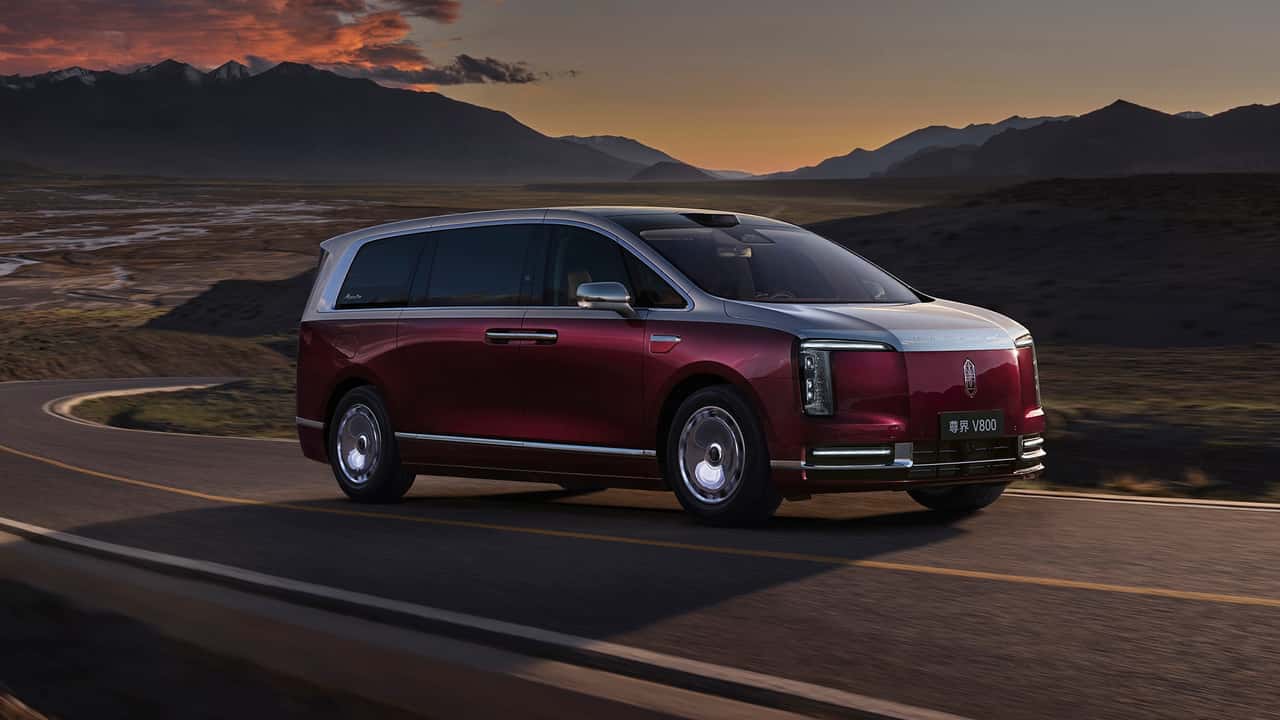
One of the most serious stories involves the Maextro V800, whose brake pedal bracket reportedly failed independent testing designed to simulate a 62-mph emergency stop. A separate recall notice warns that a battery issue in certain vehicles can create a fire risk when charging above 80 percent. These cases highlight an uncomfortable reality: advanced electric drivetrains and large battery packs do not eliminate traditional engineering risks. In some situations, they introduce new failure modes that demand rigorous testing, transparent recalls and rapid corrective action.
Affordability remains central to EV adoption
The market is also searching for the next affordable electric-vehicle success story. The Chevrolet Bolt and Nissan Leaf helped establish the modern mass-market EV, but neither became a dominant product as market conditions grew more difficult. A new Kia crossover priced around $30,000 is being positioned as a potential answer to that problem. Its prospects will depend not only on sticker price, but also on financing, charging access, reliability, interior space and whether buyers view it as a no-compromise replacement for a gasoline vehicle.
New products are arriving across nearly every category. One recently introduced crossover offers a more conventional control layout with additional physical buttons, one-pedal driving and a front trunk. Volkswagen’s ID. Polo GTI has opened for orders with revised specifications and a price somewhat above earlier expectations, illustrating how difficult it remains to control costs even for smaller electric cars. BMW is applying its M performance treatment to a new electric crossover, using a redesigned motor and chassis and software upgrades to give the vehicle a sportier character.
Two rumored Hyundai electric SUVs could bring more familiar proportions and family-oriented packaging to the company’s already extensive EV lineup. That strategy may help attract shoppers who are interested in electrification but prefer conventional SUV shapes over more experimental designs. Styling is increasingly becoming a major differentiator as well. Some new EVs cannot claim clear technological superiority over their rivals, yet their designs make them more desirable and emotionally engaging.
Range is improving, but efficiency still matters
At least 50 electric cars now offer 300 miles of estimated range in the United States, a significant change from only a few years ago. However, official range figures do not tell the whole story. A highway test showed the Bolt was substantially more efficient at 60 mph than at 70 mph, demonstrating how speed, aerodynamics and weather can influence real-world driving. Buyers may have long-range vehicles, but highway efficiency will still determine how often they need to stop and how much energy they use.
The charging network is expanding in parallel. A state program will cover as much as 100 percent of eligible installation costs for new public DC fast chargers, with support of up to $100,000 per charger. Pilot’s first Megacharger station is already operating in Georgia, while twelve more are under construction. Although the system is aimed primarily at electric trucks, high-power charging infrastructure could eventually benefit a wider range of commercial vehicles.
A more unusual proposal suggests that the solution to curbside charging may be above the street rather than embedded in it. Overhead charging systems could reduce sidewalk clutter, avoid extensive excavation and make it easier to serve neighborhoods without private driveways. Such systems would still face questions about permitting, visual impact, maintenance and compatibility, but they represent the kind of infrastructure experimentation the market increasingly needs.
Software and ownership experience remain decisive
Software continues to separate good EVs from frustrating ones. One vehicle may not be as technologically sophisticated as a Lucid, but dependable software can matter more than a long list of impressive features. Rivian is preparing a major software update for its entire lineup, accompanied by a special R1 model and a campaign involving actor Bill Murray. The company is using software, branding and personality to keep owners engaged after purchase.
At the same time, not every update has been welcomed. New Rivian R2 vehicles reportedly no longer direct air through their seat backs, and some buyers say the change is significant enough to cancel their orders. The dispute shows how small details can influence customer trust, especially when buyers have formed expectations from earlier announcements or prototypes. In the EV market, software changes and equipment revisions can affect the ownership experience as much as mechanical upgrades.
Global competition is intensifying
Geely plans to begin selling vehicles in Canada under its own name in 2027, although it has not yet announced specific models. The move reflects the wider internationalization of the EV industry, with Chinese manufacturers seeking access to new markets and established brands responding with faster product development.
The Nissan Frontier Pro, a plug-in hybrid pickup developed and manufactured in China, is also planned for global distribution. Its expansion suggests that electrified vehicles will not be limited to compact cars and crossovers. Plug-in hybrid trucks may appeal to drivers who need towing, cargo capacity or long-distance flexibility but still want to reduce fuel consumption during everyday driving.
Polestar’s sales reached a record level, helped by American buyers, but weaker performance in other regions reveals how difficult it is to replace one market with another. The company’s experience reflects a broader lesson: strong growth in the United States can be valuable, but sustainable global businesses need balanced demand across multiple regions.
Finally, battery manufacturing is benefiting from the broader electrification trend. LG Energy Solution reported record quarterly sales, driven by Europe’s expanding EV market and growing demand for energy-storage batteries in the United States. That combination shows that the EV transition is not only about cars. It is also reshaping manufacturing, grid storage and the global supply chain. The next stage of the industry will be determined by companies that can combine safety, affordability, dependable software, useful range and convenient charging into products people can trust.