
EVs Enter a More Practical, More Competitive Phase in Europe and North America
EVs Enter a More Practical, More Competitive Phase in Europe and North America
The electric-vehicle market is moving into a more complicated and competitive phase. The latest developments span hybrids, battery-electric cars, charging infrastructure, software, safety, and vehicle design, showing that the industry is no longer defined solely by range or acceleration. Automakers are increasingly focused on affordability, practical packaging, faster charging, regional manufacturing, and the realities of how people use cars every day.
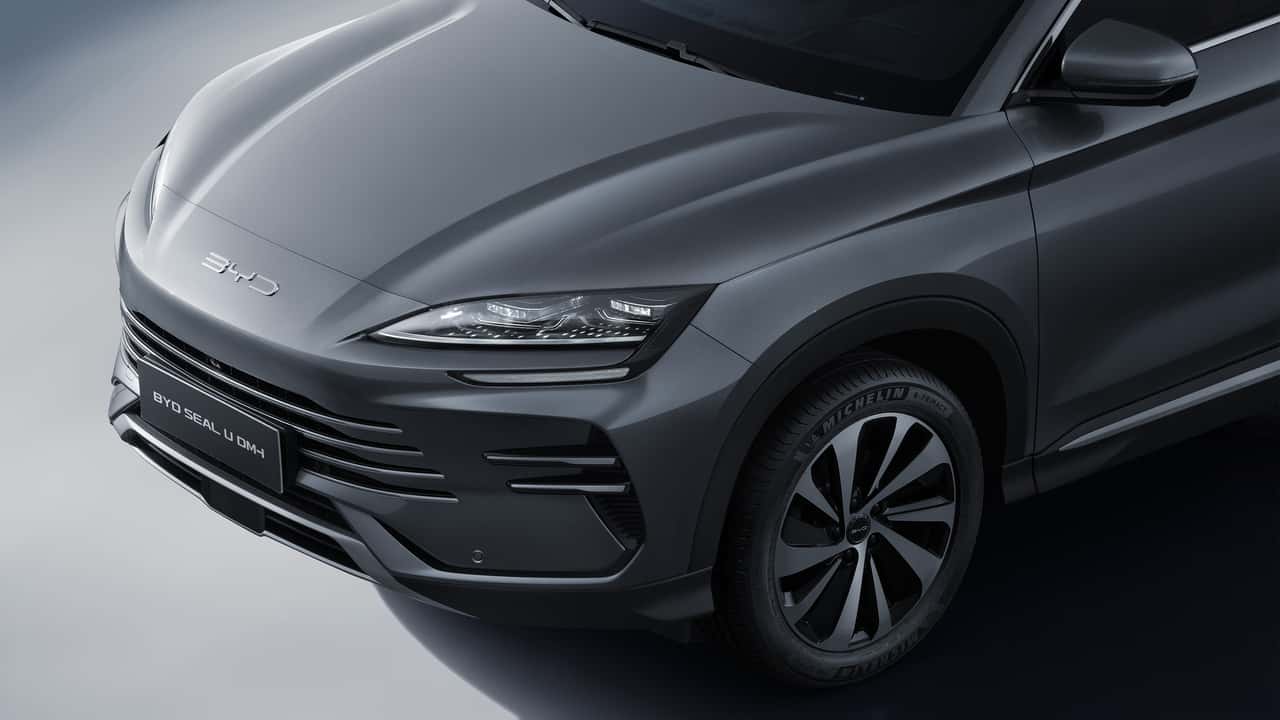
One of the clearest trends is the rapid expansion of electrified vehicles beyond conventional battery-electric models. Chinese automakers have found strong demand for plug-in hybrids in Europe, where these vehicles can avoid some of the tariffs applied to fully electric imports. Their success reflects a broader consumer reality: many buyers want lower fuel consumption and some electric driving capability without giving up the flexibility of a gasoline engine. Automakers are responding with a large number of new hybrid programs, including at least 15 next-generation models aimed largely at North America. This suggests that hybrids will remain an important bridge technology even as manufacturers continue investing in fully electric platforms.
At the same time, the electric-car market is becoming more diverse. New models are not limited to sleek sedans or large SUVs. One small electric hatchback retains city-friendly dimensions while receiving battery and charging improvements intended to make longer trips less stressful. Another compact crossover is expected to add features such as physical buttons, one-pedal driving, and a front trunk, emphasizing convenience rather than novelty. These details matter because they address everyday frustrations that can prevent drivers from switching to an EV.
Design is also playing a larger role. Several concepts preview future production vehicles through deliberately emotional styling, retro influences, or unconventional body configurations. A small electric van inspired by an original commercial model has been reimagined for a specialty-coffee audience, while another concept can transform from an SUV into a pickup by sliding its rear section. These vehicles show how manufacturers are experimenting with flexible layouts and lifestyle-oriented products. A separate electric concept combines dramatic rally-car styling with advanced technology and hints at the next generation of a popular small hatchback. Although such concepts are not always guaranteed to reach showrooms unchanged, they help establish the visual direction of future electric cars.
Charging technology is progressing as well. A Peugeot concept claims that a solid-state battery paired with a 1,000-volt electrical architecture could reduce a 10-to-80 percent charging session to roughly 10 minutes. That kind of performance would bring charging much closer to the convenience of refueling, although production costs, durability, and availability remain important questions. More immediate improvements are appearing in public charging. Electrify America remains one of the largest fast-charging networks in the United States, even though its expansion has not matched the pace of certain rivals. Ideas for installing curbside chargers above parked vehicles could also help solve a major urban problem: how to provide charging where drivers lack garages or dedicated parking spaces.
Government support is another important part of the infrastructure picture. One state is offering to cover as much as 100 percent of eligible costs for new public DC fast chargers, with support of up to $100,000 per installation. Programs like this can accelerate deployment in areas that might otherwise be overlooked, particularly along regional highways and in smaller communities. The availability, reliability, and location of chargers will be just as important as the number of electric models on sale.
Range is becoming less of a limitation for many consumers. Nearly 50 electric cars available in the United States now offer at least 300 miles of rated range. That figure includes vehicles at various price points, although the longest-range models are often more expensive. As battery technology improves and platforms become more efficient, long-distance capability is gradually spreading beyond luxury vehicles. Still, range alone will not guarantee success. Styling, price, charging access, software quality, and interior usability continue to influence purchasing decisions.
Affordability remains one of the market’s biggest challenges. The Chevrolet Bolt and Nissan Leaf struggled to gain lasting momentum in a difficult EV environment, raising questions about whether a new crossover priced around $30,000 can attract mainstream buyers. A forthcoming European-built electric vehicle targeting a starting price of approximately €15,000 could be even more significant if it reaches production close to that figure. Affordable EVs are essential for expanding adoption, but manufacturers must balance low prices against battery costs, safety requirements, and profitability.
Safety and software are also receiving more scrutiny. Independent testing found that a brake-pedal bracket in the Maextro V800 could fail during a 62-mph emergency-braking event, highlighting the importance of rigorous validation as new brands enter global markets. Meanwhile, comparisons between advanced luxury EVs suggest that usable software can matter as much as technical sophistication. A vehicle does not need to have the most impressive specifications if its interface is dependable and easy to operate. Software updates remain a major part of ownership, with one major electric-vehicle maker preparing a broad update for its lineup and using special-edition vehicles and celebrity involvement to generate attention.
The global landscape is shifting, too. Geely plans to sell vehicles under its own name in Canada beginning in 2027, though the specific models have not yet been announced. Hyundai is reportedly considering additional electric SUVs that would offer more familiar shapes and family-friendly interiors alongside its existing lineup. These moves point to a market where established manufacturers and newer international brands are competing across increasingly similar segments.
Overall, the latest EV news reflects a transition from early adoption to mass-market refinement. The next wave of vehicles will need to be affordable, easy to charge, comfortable, reliable, and visually appealing. Hybrids may help bridge the gap, while faster charging, better infrastructure, practical body styles, and improved software could make fully electric ownership more convenient. The companies that succeed will likely be those that combine impressive technology with the ordinary, practical details that make a vehicle easy to live with.