
EV News Roundup: Faster Cars, Tougher Competition and a Manufacturing Reset
The electric-vehicle market is entering a more complicated phase
The latest developments across the electric-vehicle industry point to a market that is becoming both more ambitious and more demanding. Automakers are continuing to promise extraordinary performance, new electric pickups and SUVs are reaching more customers, and long-distance driving is improving. At the same time, manufacturers are confronting high production costs, supply-chain constraints, uncertain consumer demand and increasingly aggressive competition from Chinese brands.
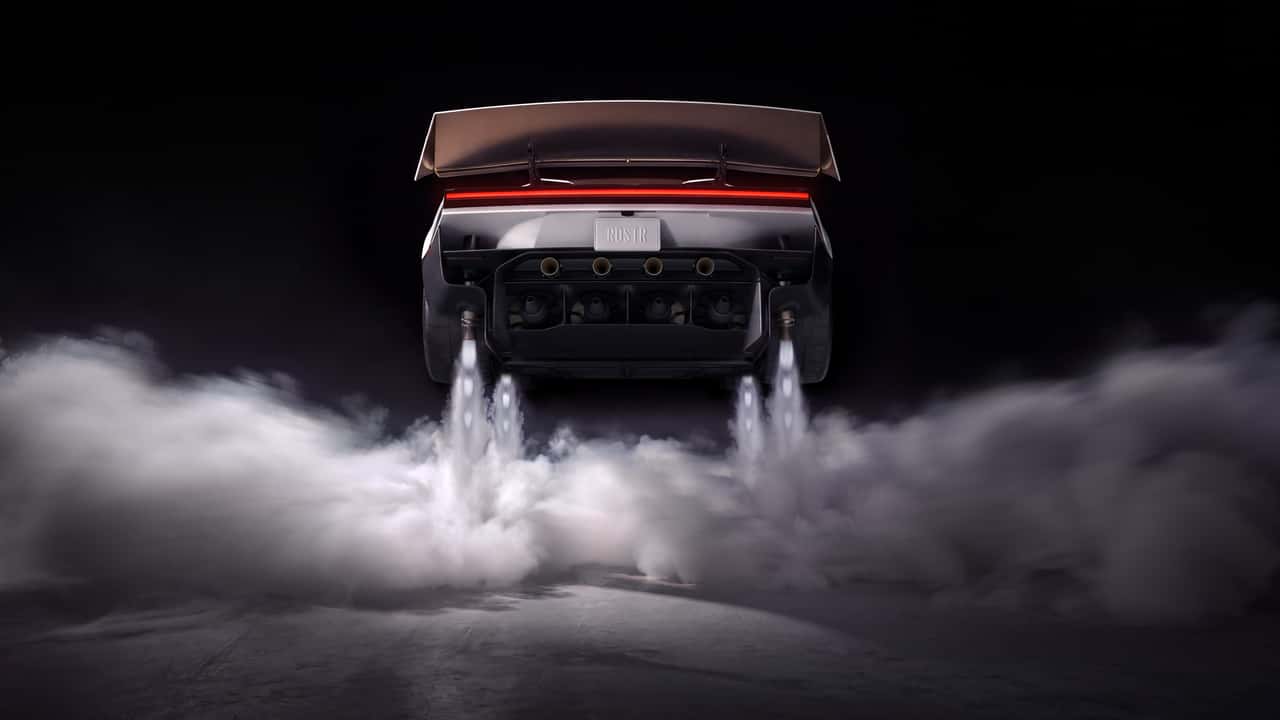
One of the most attention-grabbing stories is Tesla’s next-generation Roadster. The company presented the electric supercar as a technological showcase, claiming a 0-to-60-mph time of just 0.81 seconds and the ability to leap over a Semi truck. The most extreme version is expected to use cold-air thrusters and a fan system capable of producing enough force to let the car drive upside down. However, the Roadster is not yet available, and questions remain about whether every feature demonstrated or described will be legal and practical on public roads. The base model reportedly will not include the thruster system, while the highest-performance “Rocket” version will be offered only to invited customers.
The Roadster’s dramatic reveal reflects the industry’s continuing focus on acceleration and spectacle. Yet the more important developments may be taking place in ordinary vehicles and everyday ownership. Electric trucks are gradually becoming easier for customers to experience, with Slate opening a physical location in Chicago where visitors can examine its products, explore accessories and take test drives. Ford is also preparing for future electric offerings by opening pre-orders ahead of launch, suggesting that automakers are using reservations to measure demand before committing fully to production.
Consumer interest remains significant, although enthusiasm does not automatically translate into immediate purchases. In Canada, roughly 48% of new-car shoppers are reportedly considering an EV. Almost half of those interested buyers, however, are waiting to see what Chinese automakers bring to the market. That hesitation illustrates the changing competitive landscape. Chinese manufacturers are expanding internationally with lower-cost models, advanced technology and ambitious sales targets. Xpeng, for example, wants to sell 500,000 vehicles, a goal that would exceed the number of cars Ford sold in Europe last year. The comparison highlights the scale of the challenge facing established automakers.
Performance comparisons also show how electric powertrains are reshaping expectations in the premium market. Porsche’s electrified SUV defeated the 631-horsepower Audi RS Q8 in a comparison, demonstrating that electric vehicles can compete with, and sometimes outperform, powerful gasoline-powered SUVs. The appeal is not limited to headline acceleration. Electric drivetrains provide instant torque, quiet operation and the possibility of delivering sports-car performance in large, practical vehicles.
Range and durability continue to improve as well. A Zero DS electric motorcycle equipped with an optional Power Tank reportedly traveled from the French Alps to the Mediterranean on a single charge. Such a journey is an important demonstration for riders who may still associate electric motorcycles with limited range or urban-only use. Meanwhile, improvements in battery recycling are helping reduce waste. Manufacturing scrap and batteries that are no longer suitable for vehicle use can be processed and reused, strengthening the industry’s efforts to reduce reliance on newly mined materials.
Despite these advances, production economics remain a major obstacle. Volkswagen’s leadership has acknowledged that electric buses are currently too expensive to build, although a new platform could lower costs. Volvo is also reducing vehicle production because of manufacturing problems, with the United States bearing much of the impact. These issues show that electric-vehicle growth is not simply a matter of developing better batteries. Automakers must also redesign factories, improve component availability, control labor and material costs, and build enough vehicles to achieve economies of scale.
The European market offers mixed signals. BMW experienced a strong third quarter for fully electric deliveries in the region, helping lift its global battery-electric performance. Plug-in hybrids, however, lost ground, suggesting that some customers and regulators may be shifting toward fully electric models rather than treating hybrids as the long-term solution. Ford’s European ambitions are similarly being tested by the arrival of faster-growing competitors and by the need to offer products that match local preferences and pricing.
Manufacturing technology is changing alongside the vehicles themselves. Doug Field, who has worked on EV programs at both Ford and Tesla, is moving to Rivian, where he will help develop semi-humanoid robots for manufacturing. The project reflects a broader effort to automate difficult or repetitive factory tasks while improving consistency and productivity. Robotics could become increasingly important as automakers try to lower costs without sacrificing quality.
Overall, the feed presents an EV sector that is neither collapsing nor advancing without friction. Electric sales appear to be recovering after a difficult year, but the recovery is uneven. Exciting performance vehicles attract attention, while electric trucks, motorcycles, buses and family vehicles determine whether the technology can become mainstream. Competition is intensifying, particularly from China, and buyers are becoming more selective. The next phase of the EV transition will therefore depend less on novelty alone and more on affordability, dependable production, useful range, charging convenience and the ability to deliver electric transportation at scale.