
Rivian R2 Impresses as a Daily Driver, but Highway Efficiency Falls Short
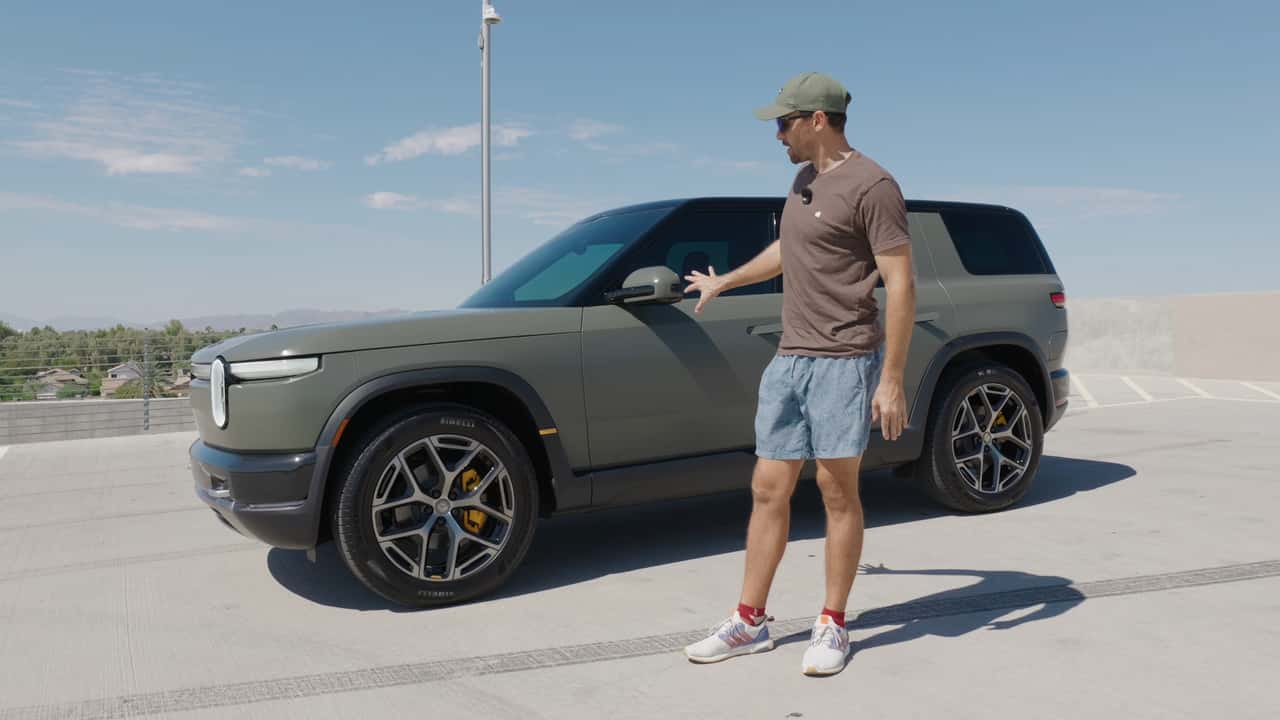
Rivian’s R2 is beginning to reach more customers, giving owners their first opportunity to evaluate whether the electric SUV can live up to the expectations surrounding it. As the most affordable model in Rivian’s lineup, the R2 is considered critical to the company’s future. It is intended to bring the brand to a broader audience while retaining the rugged design, adventure-focused image, and technology that define Rivian’s larger R1 vehicles.
Early ownership feedback suggests that the R2 gets many of the fundamentals right. One owner who took delivery of an R2 Performance equipped with the Launch Package has spent roughly two months using the electric SUV as a regular daily driver. His experience has been broadly positive, with comfort, convenience, and driver-assistance features standing out as some of the vehicle’s strongest qualities.
The R2 is described as easy to drive and comfortable for everyday use. One particularly unusual feature is a button that opens all five windows simultaneously. That includes the rear glass, which can be lowered into the tailgate, giving the vehicle a distinctive party trick and potentially improving airflow when driving at lower speeds.
The Launch Package also includes permanent access to Rivian’s Universal Hands-Free driver-assistance system. The system can assist with steering and lane changes, although the driver remains responsible for initiating a lane change by activating the turn signal. This means the vehicle can help complete the maneuver, but it does not independently decide when to move into another lane.
Another helpful feature is the blind-spot camera display integrated into the digital instrument cluster. When the driver signals, the system can show a live view of the adjacent lane, making it easier to check traffic before merging or changing lanes. This is especially useful in a vehicle with a relatively tall and boxy body, where conventional mirrors may not provide a complete view of surrounding traffic.
The cabin also appears to have been designed with practical daily use in mind. There are numerous storage compartments and large cupholders throughout the interior, giving occupants plenty of places to store phones, bottles, and other small items. The overall arrangement is said to feel intuitive, with controls and storage areas positioned in ways that make the cabin convenient for regular use.
Not every aspect of the R2 has been equally successful. The control for the rear wiper, located on the left-side stalk, is reportedly overly sensitive. A light touch can activate the wiper, which may become irritating during normal driving. The SUV also lacks a retractable cover for its large panoramic glass roof. While the expansive roof helps create an airy cabin, some drivers may prefer the ability to block direct sunlight or reduce heat entering the interior.
Several minor problems noticed when the vehicle was delivered have apparently been addressed through software updates. This highlights the increasingly software-dependent nature of modern electric vehicles, where bugs and feature issues can sometimes be corrected remotely rather than requiring a visit to a service center.
The most significant concern involves energy consumption during highway driving. The R2 Performance carries an EPA-estimated range of 330 miles, but real-world results can vary considerably depending on speed, weather, terrain, tires, and driving style. In one test, the vehicle’s range estimate showed 334 miles when fully charged. After the trip, however, the R2 had traveled approximately 248 miles and still had only 2% battery remaining.
That represents a substantial difference between the predicted and actual distance. The result was influenced by the conditions of the drive, much of which took place at speeds above 70 miles per hour. High speeds typically reduce the efficiency of any electric vehicle because aerodynamic resistance increases rapidly. The R2’s upright, boxy shape likely makes it more vulnerable to that effect than a lower and more streamlined sedan.
The vehicle averaged about 2.93 miles per kilowatt-hour during the drive. For owners who spend most of their time on city streets or suburban roads, efficiency may be better. However, people who regularly travel long distances at highway speeds may need to plan for more frequent charging stops than the official range figure suggests.
Charging performance could help offset that weakness. Despite using a 400-volt electrical architecture, the R2 is capable of charging from 10% to 80% in less than 30 minutes under suitable conditions. That is a competitive result and means a relatively short break can add a substantial amount of driving range.
Overall, early impressions portray the Rivian R2 as a comfortable, practical, and technologically capable electric SUV with a few minor design frustrations. Its highway efficiency remains an important caveat, particularly for drivers who frequently travel at high speeds. Even so, the R2’s useful interior, hands-free assistance, quick charging, and approachable driving experience could make it a strong foundation for Rivian’s push into the larger mainstream market.