
EV Momentum Builds Across Affordable Models, Faster Charging, Smarter Road Trips and a Broader Used Market
The electric-vehicle market is entering a more practical phase
The latest EV news points to an industry moving beyond early-adopter excitement and toward broader, more affordable adoption. Automakers are expanding production, introducing smaller and less expensive electric models, improving charging performance and refining the ownership experience. At the same time, used EV sales are gaining momentum, suggesting that consumers are increasingly interested in electric transportation when pricing becomes realistic.
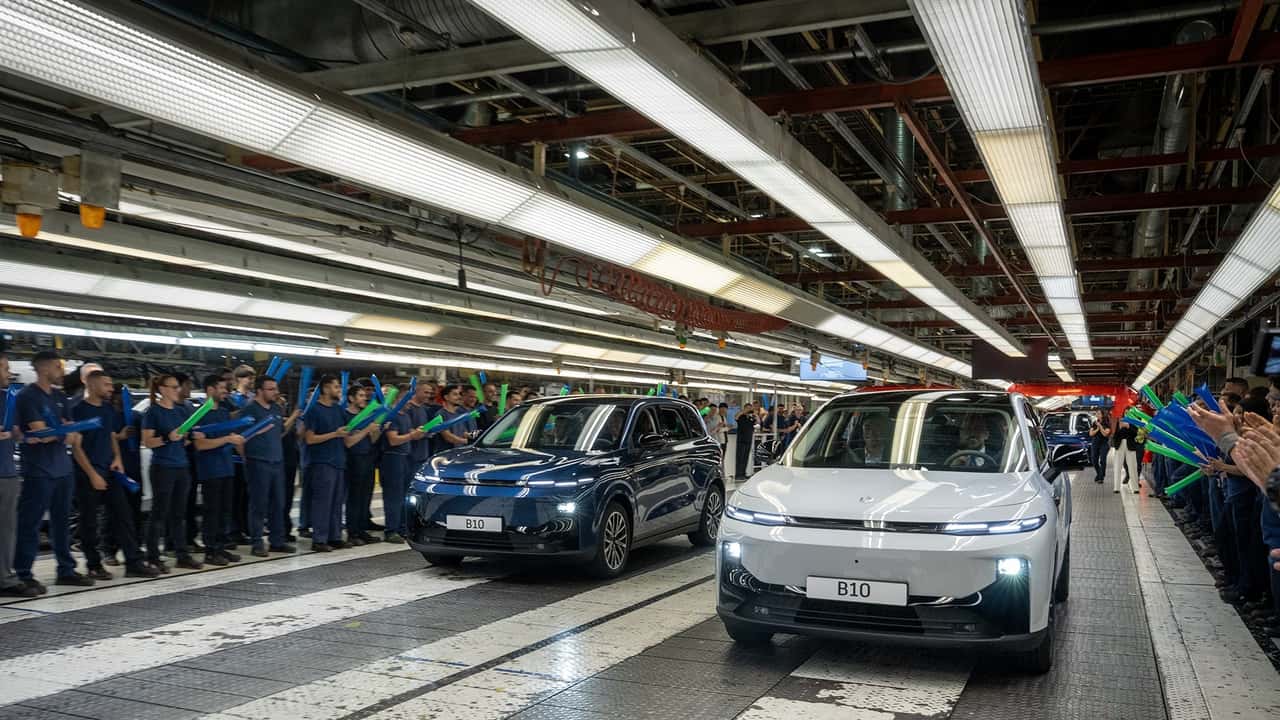
A major theme is the globalization of EV manufacturing. Stellantis is preparing to build Leapmotor’s B10 electric crossover in Spain, adding another model to a European production network that is already being adapted for electric vehicles. A second Leapmotor model is expected to follow next year. The manufacturing site has previously been associated with high-performance and luxury components, including batteries for the Cadillac Celestiq and drive units for the Chevrolet Corvette E-Ray. Its transition illustrates how existing automotive facilities can be repurposed as demand shifts from internal-combustion vehicles toward battery-powered models.
More choice at lower prices
The number of available EVs continues to grow, and the market is no longer limited to expensive sedans and large luxury SUVs. Kia is preparing a new entry-level electric vehicle aimed at competing in a more accessible segment. The arrival of smaller, less costly models could be especially important as automakers attempt to reach buyers who cannot justify the price of premium EVs.
The expansion is also visible in the used-car market. Strong used EV sales indicate that consumers do want plug-in vehicles, but many are waiting for prices to fall within reach. Depreciation, incentives and an increasing supply of off-lease vehicles are helping make electric cars more attainable. For buyers who are concerned about the cost of a new EV, the used market can provide a lower-risk way to experience electric driving while also bringing the technology to a wider audience.
Plug-in hybrids remain part of that affordability and transition story. Newer plug-in hybrid models are being developed with smaller gasoline engines, greater electric range and faster charging. Those improvements could help drivers complete more daily trips without using fuel while preserving the flexibility needed for longer journeys. Their real-world effectiveness will still depend on regular charging, but improved electric capability may make them more convincing alternatives for households not yet ready to switch completely to a battery-electric vehicle.
Battery technology and charging continue to improve
Charging speed remains one of the most visible areas of EV competition. A vehicle capable of charging from 10% to 80% in roughly 12 minutes can significantly reduce the inconvenience of long-distance travel, provided the charging infrastructure is capable of delivering that performance. Tesla is introducing what is described as its fastest-charging vehicle yet, while other manufacturers are also emphasizing high-voltage platforms, improved battery chemistry and better thermal management.
Battery flexibility is another emerging area. One Nio model is notable not only because it supports battery swapping, but also because its battery can be upgraded. The ability to replace or upgrade a battery pack could help extend a vehicle’s useful life and reduce concerns about technological obsolescence. Battery swapping remains limited by infrastructure and compatibility requirements, but upgradeable systems demonstrate that manufacturers are exploring alternatives to simply replacing an entire vehicle when battery technology advances.
Safety remains a central concern as well. One development focuses on reducing the risk of vehicle fires, although it is described as an imperfect solution. Battery safety is complex, and a single software update, mechanical change or monitoring system is unlikely to eliminate every risk. Automakers continue to work on cell design, pack protection, crash resistance, thermal controls and early warning systems as EV ownership becomes more widespread.
Easier ownership and longer-distance confidence
The software experience is becoming just as important as the hardware. Route planning through Android Auto is making electric road trips easier by helping drivers account for battery levels, charging stops and trip distances. Better navigation integration can reduce the anxiety associated with finding compatible chargers and estimating how much energy will remain at the end of a journey.
Range confidence is also improving. Volvo’s newest electric SUV is being positioned as a vehicle that drivers should not be overly concerned about using for long trips, although efficiency can vary substantially with speed, weather, road conditions and driving style. Another vehicle in the coverage is praised for its comfort but criticized for losing efficiency at highway speeds. That trade-off remains common: a quiet, spacious and comfortable EV may still consume considerably more energy when driven quickly on motorways.
The ownership experience is not limited to range and charging. Coverage of the Rivian R2 offers a preview of what delivery and daily use may be like for an eagerly anticipated smaller electric SUV. Meanwhile, Tesla is moving toward point-to-point hands-free driving for a limited group of owners willing to meet the necessary requirements. These developments show how manufacturers are competing through software, driver assistance and convenience as well as through acceleration and battery capacity.
Regional policies and changing production strategies
Government support continues to influence adoption. Nearly 12,000 buyers have used California’s newer EV rebates, demonstrating that incentives can help consumers overcome the initial price premium. The state is also revising its projections for charging-network growth, reflecting the need to expand public infrastructure alongside vehicle sales. More chargers will be essential not only in cities, but also in apartment communities, workplaces and rural corridors.
Regional production plans are changing too. VinFast vehicles remain relatively uncommon on American roads, but the company is preparing to increase its presence in Los Angeles. Subaru is considering a new platform, lighter batteries and more in-house electronics to create electric vehicles that are less dependent on Toyota’s technology and design direction. These efforts suggest that established and newer manufacturers alike are looking for more control over cost, packaging and software.
Taken together, the news presents an EV market becoming broader and more practical. Faster charging, better route planning, stronger incentives, used-car availability and a growing range of affordable models are addressing long-standing barriers. Challenges remain, including charging access, highway efficiency, battery safety and the high cost of some vehicles. Still, the direction is clear: electric mobility is moving from a specialized choice toward a mainstream option shaped as much by price and convenience as by environmental ambition.