
Electric Vehicle Repair Costs Drop to Lowest Level of the Year, Narrowing Gap with Gas Cars
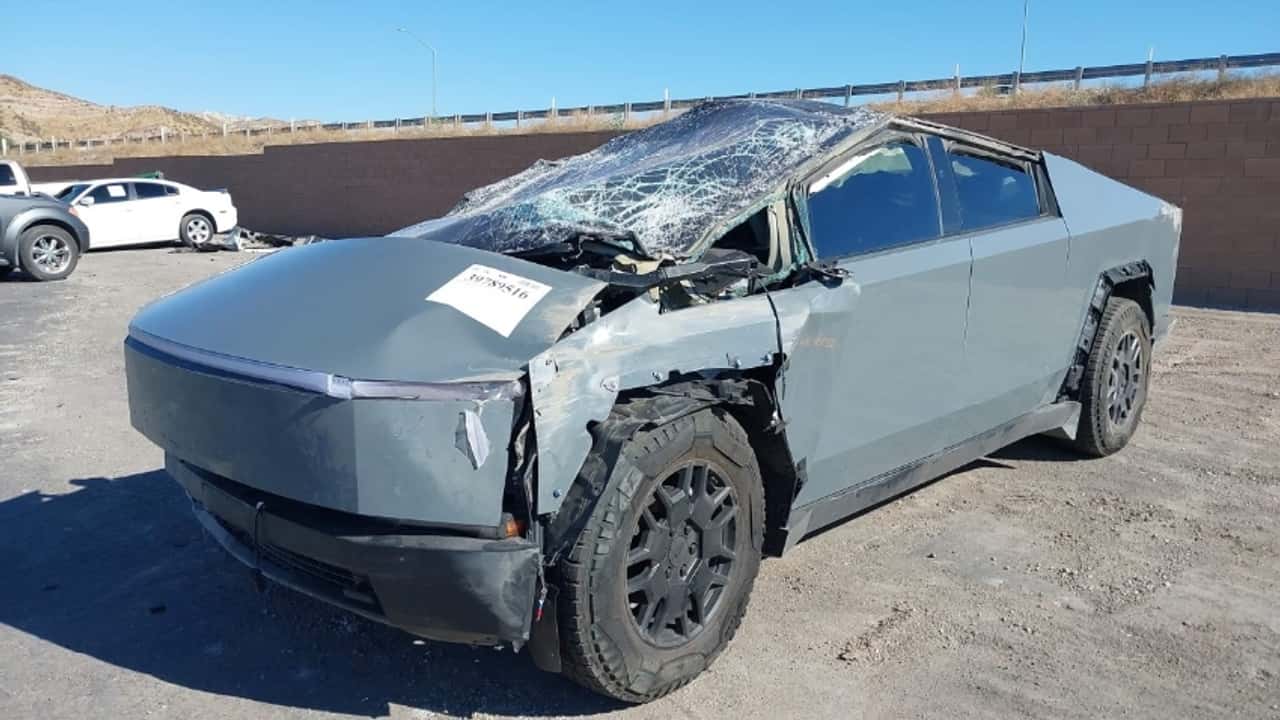
Electric car owners in the United States have a reason to feel optimistic as new data shows that the cost of repairing collision damage on EVs has dipped to its lowest level since the end of 2024. According to figures released by Mitchell, a leading provider of auto damage assessment and repair data, the average cost of fixing an electric car after an accident fell by 2.4% compared to the previous quarter. While electric vehicles remain more expensive to repair than their gas-powered counterparts, the recent trend indicates a gradual closing of that gap.
EV Boom Boosts Repair Demand
The third quarter of this year marked a surge in electric vehicle activity across the U.S. market. Many buyers hurried to take advantage of the federal government’s $7,500 tax credit for electric vehicles before it expired at the end of September. The rush led to a 36% year-over-year jump in EV sales during that period, which naturally resulted in more electric vehicles being on the road — and therefore, more ending up in collision shops.
Mitchell’s data revealed that the claims frequency for repairable, collision-damaged EVs in the U.S. hit 3.21% in the third quarter, a record high. This figure represents a 4.2% increase compared to the same time last year, emphasizing how rapidly EV adoption is transforming the car insurance and auto repair landscape. As more EVs enter circulation, repair facilities are being challenged to adapt to battery pack complexities, high-voltage components, and new materials used in modern electric cars.
Costs Fall Despite Higher Volume of Claims
Despite the rising number of EV accidents leading to insurance claims, Mitchell’s data indicates that average repair costs have decreased for the first time this year. The average electric vehicle collision repair bill now stands at $6,185. That is a slight downturn from previous quarters but still significantly higher than what owners of other vehicle types are paying. By comparison, plug-in hybrid repairs average $5,529 per claim, mild hybrids cost around $4,983, and conventional combustion engine vehicles come in at about $4,974.
These differences show that electric vehicles continue to carry a premium when it comes to post-collision repairs. Still, the recent decline suggests that improvements in parts availability, technician training, and supply chains might finally be easing some of the burden that EV owners face.
Key Challenges: OEM Parts and Repairability
One of the main reasons electric cars remain more costly to fix lies in the types of parts used. Mitchell’s analysis shows that 85% of the parts installed during electric vehicle repairs were sourced directly from original equipment manufacturers (OEMs). In comparison, only 62% of parts used in internal combustion engine (ICE) vehicle repairs came from OEMs. The scarcity of aftermarket alternatives for EV components — from body panels to specialized sensors — keeps the overall bill higher.
The repairability of damaged parts also plays a role. For electric vehicles, about 13.5% of parts damaged in a collision can be repaired, while that figure is slightly higher for gasoline vehicles at 15.9%. That means technicians often have to replace EV parts entirely rather than repair them, adding both time and cost to the process. Over time, as the EV market matures and aftermarket suppliers develop compatible parts, these cost gaps could shrink further.
Tesla Leads in Repair Claims
Unsurprisingly, the EVs most frequently appearing in repair records are the models that dominate U.S. sales. The Tesla Model Y, which continues to hold the title as America’s best-selling electric vehicle, accounted for 30.6% of all repairable EV claims processed during the recent quarter. The Tesla Model 3 followed closely at 26.7%, while Ford’s Mustang Mach-E represented 5.8% of total claims.
Rounding out the top five were the Tesla Model S with 4.7% of repairable claim frequency and the Tesla Model X with 3.9%. Together, Tesla models make up the vast majority of EV collision repair cases, mirroring their overwhelming presence in the U.S. EV market.
The Canadian Picture
The situation in Canada looks slightly different but reflects a similar Tesla dominance. Mitchell’s Canadian data shows the Tesla Model 3 at the top of the collision-repair list, followed by the Model Y and Ford Mustang Mach-E. The Hyundai Ioniq 5 and Hyundai Kona EV complete Canada’s top five, indicating a broader presence of non-Tesla electric brands north of the border.
Outlook: Repair Costs Poised to Stabilize
While electric vehicle repair costs remain high relative to traditional cars, the latest statistics point toward an encouraging trend. The combination of more widespread EV ownership, growing technician expertise, and expanding parts availability could continue to moderate repair pricing. In addition, as manufacturers design EVs with more modular architectures and standardized components, repair efficiency may increase over the next few years.
For consumers, this development provides reassurance that transitioning to an EV does not necessarily mean paying prohibitive amounts for collision repairs. The market is still finding equilibrium, but the third-quarter data from Mitchell suggests that electric car ownership is becoming not only cleaner but also slightly more affordable in terms of long-term maintenance and accident recovery.