
Tesla’s New Model Y Standard: A Budget Trim That Feels a Bit Too Bare-Bones
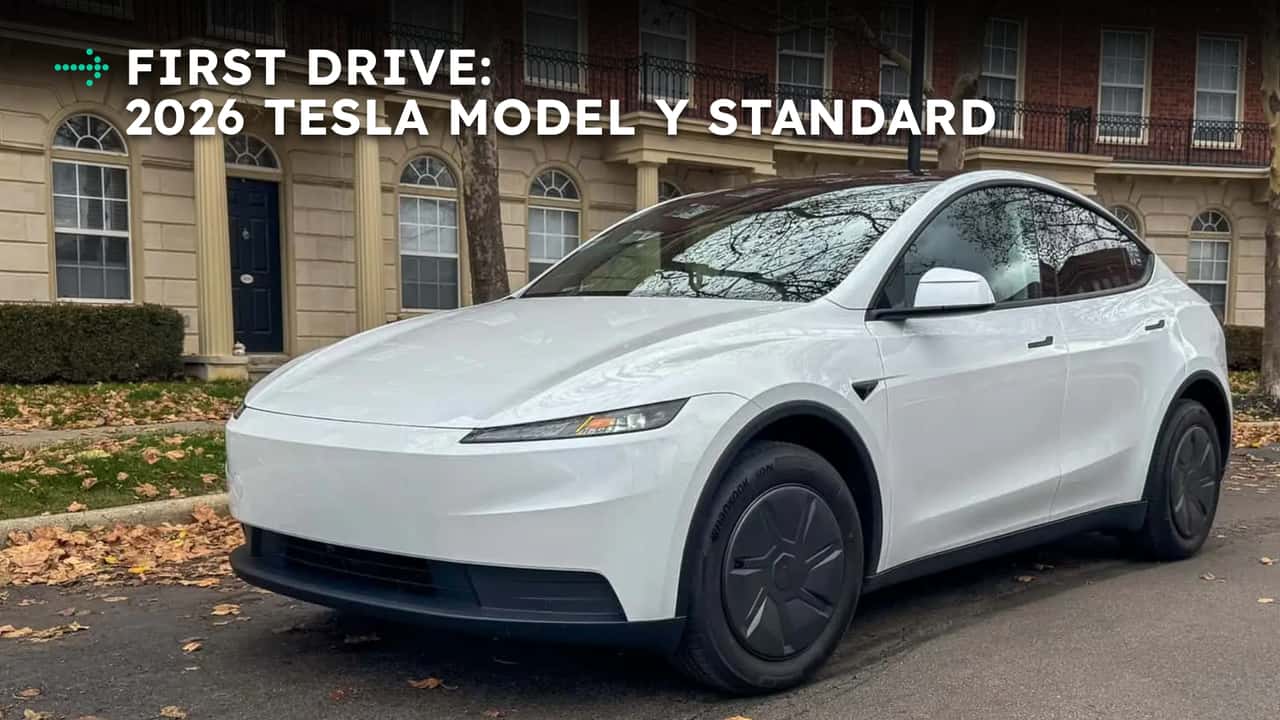
When Tesla quietly rolled out the Model Y Standard, it was supposed to be the entry point for buyers wanting a taste of the EV maker’s popular crossover without the higher price tag of the existing trims. But after spending a short time behind the wheel and poking around inside, it’s clear that this “budget” Model Y gives up more than just a few luxury touches — and maybe too much for only a modest savings.
Familiar Form, Noticeably Simpler Finish
At first glance, the Model Y Standard looks a lot like the Premium version. The signature shape is still there, and most people wouldn’t notice a difference from a distance. Step closer, though, and the cost-cutting becomes apparent. The clean, futuristic face of the Premium trim loses its full-width light bar on the Standard, and the bumpers both front and rear have been reshaped into simpler, less eye-catching designs. The Cybertruck-inspired rear lighting treatment is gone, replaced by more conventional tail lamps. Even the wheels betray this car’s lower price point, riding on oversized tires capped by rather plain hubcaps that tend to cheapen the look.
It’s clear that Tesla was aiming to bring down production costs as much as possible while maintaining the recognizable silhouette of the Model Y. Whether that trade-off feels worth it depends on how much value you place on aesthetics and subtle design details.
The Price Advantage That Feels Small
At $39,990 before fees, the Standard trim undercuts the Premium version’s $44,990 sticker by about $5,000. On paper, that’s a meaningful reduction, particularly in a segment where competition is heating up from legacy automakers and new EV startups. However, this lower price is clouded by the fact that Tesla doesn’t offer leases for the Standard version. That means buyers would need to pay cash or finance the purchase outright, limiting its appeal for those used to more flexible ownership options. Even Tesla’s own sales staff reportedly recommend stepping up to the Premium model unless cash savings are the top priority.
Inside: Function Over Finish
The cabin of the Model Y Standard feels significantly more utilitarian. The most immediate evidence of penny-pinching is under the hood: the front trunk, or “frunk,” has lost its interior lining. Where higher trims feature neatly molded panels that give a finished look, the Standard trim exposes raw plastic and structural metal. It’s functional, but unrefined.
The interior materials follow the same approach. Leatherette seats are replaced with basic cloth upholstery, which some drivers might find breathable and comfortable, but it’s hard to overlook the downgrade in perceived quality. The center console has been simplified and partially removed, creating a more open feel but also a sense of incompleteness. Meanwhile, Tesla’s trademark glass roof — one of the Model Y’s signature luxury touches — has been replaced with a solid trim panel. The result is a darker, less airy cabin that feels more like a conventional crossover than the futuristic spaces Tesla is known for.
Ambient lighting is also gone. The pillar-to-pillar light strip that adds personality and warmth to the Premium trim doesn’t make an appearance here, leaving the cabin with a stark, utilitarian tone. Some drivers might appreciate the simplicity, but for many, it drains much of the charm that made the Model Y stand out.
On the Road: Almost the Same, Almost
Tesla hasn’t stripped away the driving experience entirely. If you’ve piloted a Model Y before, the Standard feels similar behind the wheel — smooth, quick to respond, and composed in corners. The electric torque still delivers brisk acceleration, and the car remains well-planted in typical driving conditions. According to Tesla, the Standard version uses less sophisticated suspension dampers and thinner glass, but in day-to-day use, those differences are subtle.
Noise levels are slightly higher at highway speeds, but not dramatically so. Ride comfort remains well-balanced, aided in part by the larger tires, which help absorb imperfections in the road. The trademark Tesla drive dynamics — nimble for its size, with loads of instant power — are all still there.
Notably, the Standard trim continues to offer access to Tesla’s Full Self Driving (Supervised) package. That means drivers can still experience the brand’s latest automation features, ensuring that even the budget version has access to cutting-edge tech.
Verdict: Cost Savings Without Enough Reward
After spending time with the Model Y Standard, it’s tough to argue that the reduced price fully compensates for what’s missing. The overall driving experience remains enjoyable, but the stripped-down design and limited purchasing options make it a tougher sell. For most buyers, the extra $5,000 for the Premium trim will likely feel worth it once you consider the superior interior finish, glass roof, and stronger resale outlook.
Tesla’s decision to release this variant feels more like a quick attempt to broaden its reach than a truly strategic expansion of the lineup. In chasing affordability, it ends up creating a model that lacks the polish and desirability that helped the brand’s vehicles stand apart in the first place.
For those looking to join the Tesla ecosystem, the Model Y Standard will get you there — but it’s not the most compelling route. Those who can stretch for the Premium will find their investment rewarded in comfort, design, and overall experience.