
2026 Jeep Cherokee: Hybrid Tech Brings the Icon Into a New Era
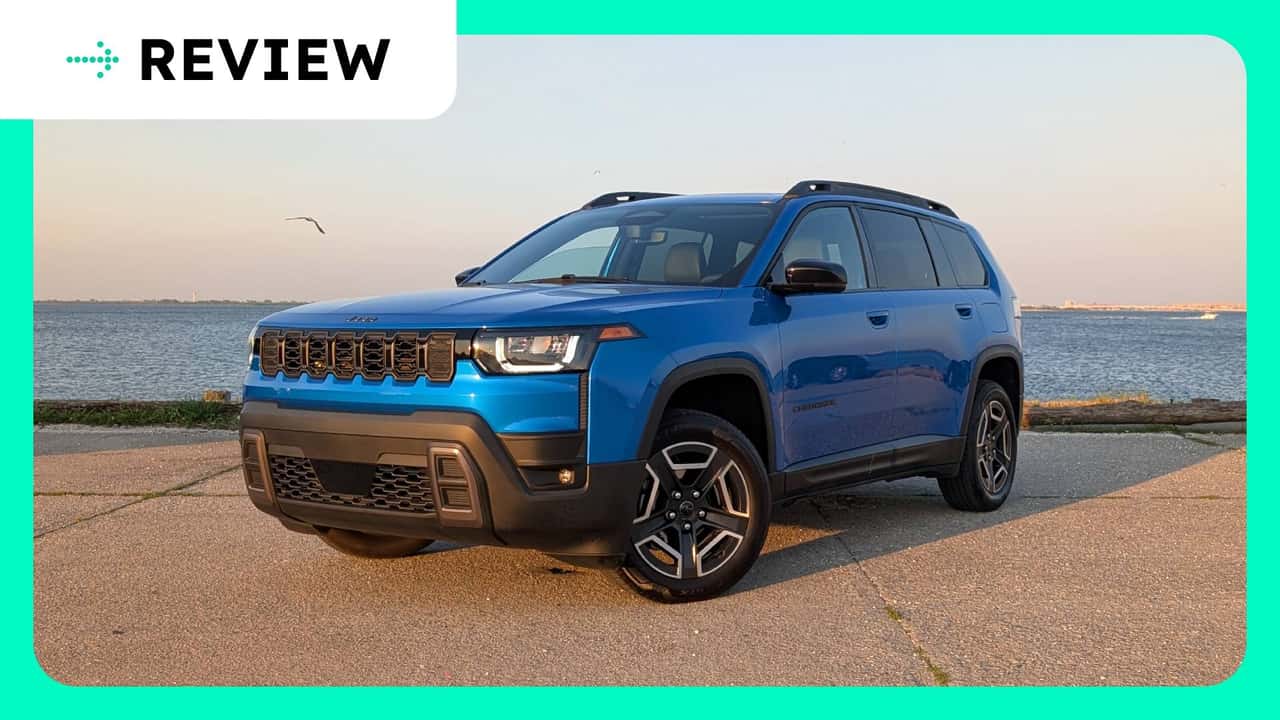
Jeep is finally joining the mainstream hybrid race with the new 2026 Cherokee, a model designed to close its long-standing electrification gap with rivals like Toyota and Hyundai. After years of watching competitors dominate the hybrid market, Stellantis—the parent company behind Jeep—has taken its first confident step into conventional hybrid territory. The result is a reinvented Cherokee that trades its older gas-centric formula for a modern hybrid-only setup.
A Fresh Start for a Familiar Name
The Cherokee nameplate briefly disappeared after Jeep ended production in 2023, citing declining sales and the need for a major redesign. Its return is built on the Stellantis STLA Large architecture, stretching 188.1 inches long and sporting a wheelbase more than six inches longer than before. That new footprint not only enhances cabin space but also gives the SUV a more planted and premium stance on the road.
Stylistically, the 2026 Cherokee borrows much of its attitude from newer Jeep models like the Wagoneer S and Recon. The upright profile, bold cladding, and signature seven-slot grille make it immediately recognizable as a Jeep, but the sleek daytime running lights and squared contours lend it a more polished, urban-friendly presence. Subtle touches like Willys logos on the wheel caps tie the design back to Jeep’s heritage.
Powertrain: A Proven Hybrid Formula
Under the hood sits a 1.6-liter turbocharged four-cylinder engine paired with two electric motors and a compact 1.03-kilowatt-hour lithium-ion battery. The setup produces a combined 210 horsepower and 230 pound-feet of torque, channeled through a continuously variable transmission to all four wheels. Jeep claims an as-tested efficiency of 36 miles per gallon, which brings the Cherokee closer to hybrid heavyweights like the Toyota RAV4 and Hyundai Tucson.
Interestingly, this hybrid system isn’t Jeep’s in-house creation. It’s sourced from Blue Nexus, a joint venture between Japanese suppliers Aisin and Denso—the same firms responsible for Toyota’s proven Hybrid Synergy Drive technology. Versions of this system already power vehicles from Toyota, Mazda, Subaru, Suzuki, and Isuzu across global markets.
On the road, the hybrid setup seamlessly blends electric and gasoline power. Around town, the Cherokee often cruises on electric energy alone, especially in stop-and-go traffic where regenerative braking recaptures energy efficiently. Driven gently, transitions between the electric motors and the combustion engine are nearly imperceptible.
Push the throttle hard, though, and the 1.6-liter engine becomes loud and coarse, a familiar trait among smaller turbocharged engines paired with CVTs. While acceleration is more than adequate for highway driving, refinement under heavy load lags behind the smooth, naturally aspirated systems found in Toyota hybrids.
Comfort and Ride Quality
Jeep has tuned the Cherokee toward comfort, and that focus is immediately evident. The suspension easily absorbs potholes and uneven pavement, giving it a cushy, composed feel at lower speeds. At the same time, the soft setup brings noticeable body roll and dive under quick acceleration or braking. This results in a driving feel more akin to traditional, heavier SUVs than to the sharp and composed crossovers that now dominate the market.
Steering feedback is another area where the Cherokee trails its peers. The wheel feels numb, providing little engagement through corners. Competitors such as the RAV4 and Tucson offer more direct steering and a tighter body control that better match their athletic hybrid powertrains.
Built to Go Beyond the Pavement—But Not Too Far
True to its brand, the Cherokee keeps some off-road credibility. It features a respectable 8.0 inches of ground clearance, approach and departure angles of 19.6 and 29.4 degrees, and a standard all-wheel drive configuration. Jeep’s Selec-Terrain traction control and drive modes (Auto, Sport, Snow, and Sand/Mud) keep the SUV adaptable to varied terrain. A more rugged Trailhawk version is already confirmed, aimed squarely at adventure-friendly trims such as the RAV4 Woodland and Subaru Forester Wilderness.
Inside the Cabin
Jeep’s renewed attention to interior design pays off here. The angular steering wheel is distinctive, while the dashboard combines soft-touch materials with metallic accents for a more premium look than the previous generation. A pair of high-resolution displays—a 10.25-inch instrument cluster and a 12.3-inch central touchscreen—handle most of the digital duties. Wireless Android Auto works seamlessly, and the infotainment response is quick, if not class-leading.
However, a few quirks persist. The haptic climate controls beneath the central screen are frustrating to use and lack the intuitive reliability of physical buttons. Additionally, some cabin noise complaints linger. A high-pitched whine linked to the air-conditioning system echoes an issue that has appeared in other modern Jeeps.
The Hybrid SUV Market Is Tough
The 2026 Cherokee enters one of the most fiercely contested categories in the U.S. With a starting price of $36,995 ($43,590 as tested), it costs slightly more than similarly equipped hybrid rivals. The RAV4 Hybrid, Tucson Hybrid, Mazda CX-50 Hybrid, and Subaru Forester Hybrid all provide compelling packages that match or exceed Jeep’s offering in refinement and value. That said, the Cherokee’s striking new look, roomy interior, and honest efficiency make it an appealing alternative for buyers who prioritize style and comfort over razor-sharp driving dynamics.
Final Verdict
Jeep may have arrived late to the hybrid party, but the 2026 Cherokee proves it can quickly catch up. It delivers real fuel savings, a pleasant urban driving experience, and a dose of brand character that helps it stand out among competitors. While there’s still ground to cover in terms of refinement and performance polish, the new Cherokee suggests Jeep’s slow crawl toward electrification might finally be gaining momentum.