
The EV Market Enters Its Next Phase: More Range, Smarter Tech, and Broader Choices
The EV Market Enters Its Next Phase
The latest electric-vehicle news points to an industry moving beyond the early-adopter phase. Battery-electric cars, hydrogen vehicles, electric trucks, e-bikes, charging equipment, and autonomous-driving systems are all developing at the same time, but the central story is becoming clearer: electric mobility is no longer defined by a handful of premium sedans and futuristic concepts. It is expanding into nearly every category, while manufacturers focus on making vehicles more practical, efficient, capable, and familiar.
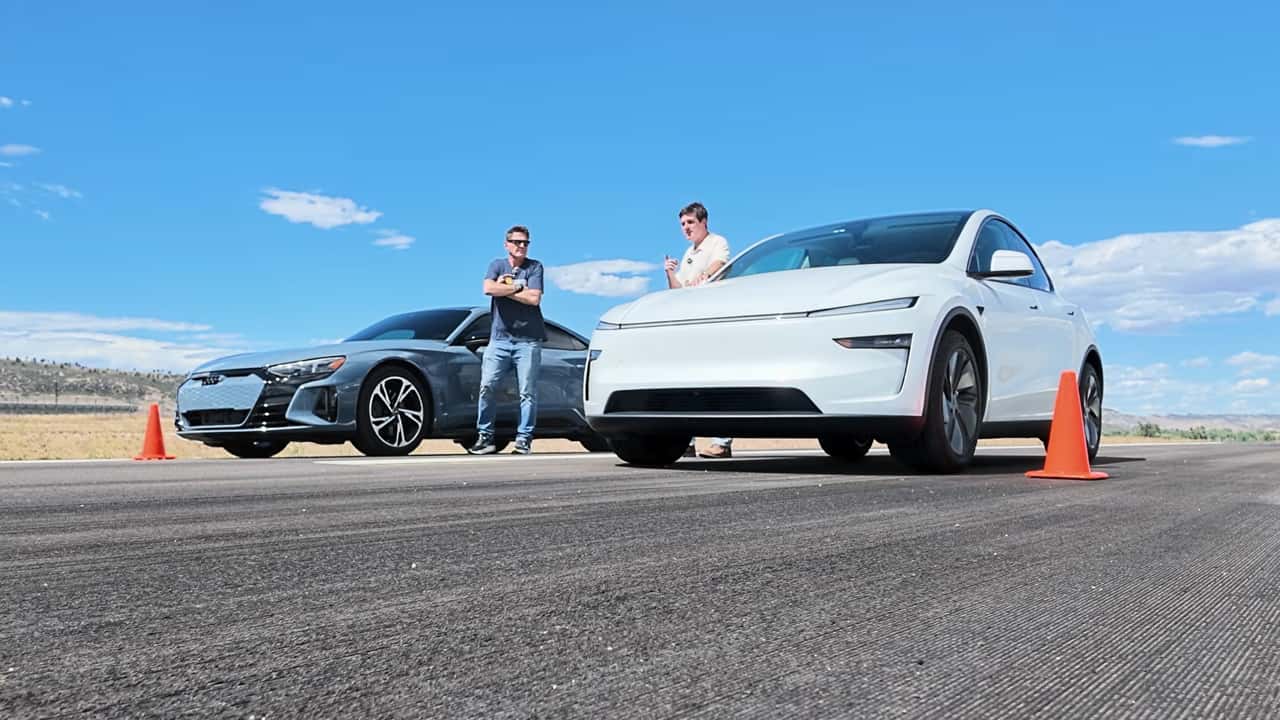
One of the most visible signs of progress is the widening performance gap between older and newer electric vehicles. A drag race involving the BMW i8, Audi E-Tron, and Tesla Model Y offers a useful snapshot of how quickly expectations have changed. The BMW i8 was once regarded as a technological showcase, combining plug-in power with an exotic design. Yet newer electric vehicles can deliver stronger acceleration, more usable space, and greater everyday practicality without the same complexity. The comparison reflects how quickly electric powertrains have moved from novelty to mainstream engineering.
Range remains another major area of competition. At least 46 electric cars now offer 300 miles or more of estimated range, representing an increase from the previous market tally. That milestone matters because long-distance usability continues to influence buyers who are concerned about charging stops and changing driving habits. New battery technology is pushing the limits even further, with one announced battery reportedly offering up to 620 miles of range while promising exceptional durability over hundreds of thousands of miles. Such developments could help reduce concerns about battery degradation and improve the long-term value of electric cars.
Efficiency is becoming just as important as battery size. A small electric vehicle recently put its consumption to the test on a mountain climb and a motorway route, demonstrating that modest vehicles can still deliver encouraging results in demanding conditions. The Mercedes CLA is also being highlighted for combining strong range with efficient energy use, making it appealing for road trips rather than merely short urban journeys. These examples show that manufacturers are increasingly judged not only by how large a battery they install, but by how intelligently the vehicle uses available energy.
Charging infrastructure is evolving alongside the vehicles. Pre-assembled Supercharger units are claimed to be 20 percent cheaper to install than traditional charging equipment, potentially making it easier to expand fast-charging networks. The European introduction of the Tesla Semi, meanwhile, depends heavily on whether suitable charging infrastructure can be developed for heavy-duty electric trucks. Commercial vehicles require much more power, larger charging sites, and careful route planning, so their success will depend on coordinated investment from manufacturers, operators, utilities, and governments.
The market is also becoming more diverse in shape and purpose. New electric crossovers are arriving with advanced autonomous-driving hardware, including vehicles built around Nvidia’s Hyperion platform. Other upcoming models are aimed at family use, with the Kia PV7 positioned as a larger and more technologically advanced companion to the PV5. Electric pickup development is expanding as well. The hydrogen fuel-cell version of the Toyota Hilux is targeting towing capability of approximately 5,500 pounds, suggesting that hydrogen may continue to attract interest in applications where payload, towing, and rapid refueling are especially important.
Performance vehicles are not being left behind. A new electric hot hatch based on the recently revealed ID.3 Neo is expected to become the most powerful GTI ever to carry the name. This is significant because it shows how electrification can preserve enthusiast-focused models rather than eliminate them. Instant torque, sophisticated traction control, and precise software calibration can create a different kind of performance experience while retaining the compact dimensions and everyday usability associated with traditional hot hatches.
Automakers are also refreshing their broader lineups. A major product revamp is bringing new electric models and next-generation hybrids to market, indicating that manufacturers are not treating electrification as a single-technology race. Battery-electric vehicles may dominate long-term planning, but hybrids and plug-in hybrids remain part of the transition for drivers who need flexibility or lack convenient access to charging. This mixed approach is particularly relevant in markets where infrastructure development is uneven.
Technology inside the vehicle is receiving similar attention. Infotainment systems are being redesigned with darker blacks, higher contrast, and cleaner interfaces to improve readability and usability. In another example, a charging pad that previously came as onboard equipment is becoming available separately in selected markets. These changes may seem minor compared with battery breakthroughs, but they affect the daily ownership experience and show how manufacturers are refining the small details that make electric vehicles easier to live with.
Autonomous-driving claims remain a more complicated part of the story. Regulators have requested answers from Tesla regarding the self-certification of the Cybercab, highlighting the importance of safety oversight as vehicles become more automated. Driver-assistance technology is also expanding into towing, with the 2027 Ford F-150 expected to offer hands-free driving while pulling a trailer, although the system will have limitations. These developments suggest that automated driving will arrive incrementally, with capability constrained by road conditions, vehicle configuration, weather, regulations, and the driver’s responsibility to remain attentive.
Finally, the feed reflects the widening cultural reach of electric mobility. Affordable and unconventional vehicles are attracting attention, from commuter e-bikes to tiny city cars inspired by models such as the Fiat Topolino. Even vehicles that resemble golf carts are being reconsidered as practical tools for short-distance transportation. This broader perspective is important: the future of electric mobility will not consist only of expensive, high-performance cars. It will also include compact urban vehicles, utility models, commercial trucks, bicycles, and new forms of personal transportation.
Taken together, these stories describe an industry entering a more mature and competitive phase. Longer range, improved efficiency, lower charging costs, greater towing ability, stronger performance, smarter interfaces, and more varied body styles are arriving at once. The biggest challenge is no longer proving that electric vehicles can work. It is making them affordable, convenient, dependable, and appropriate for the full range of everyday driving needs.