
 Buy & Sell
 All EV Sales
 Explore
 Account
 Back to News
 The EV Landscape Is Entering Its Next Phase
The latest developments across the electric-vehicle industry point to a market moving beyond the early-adopter phase. Automakers, battery developers, charging providers, and technology companies are now competing on a broader set of priorities: long-distance efficiency, production scale, affordability, reliability, software, and the overall ownership experience. The result is an industry that is becoming more diverse and more practical, even as important questions about infrastructure, regulation, and profitability remain.
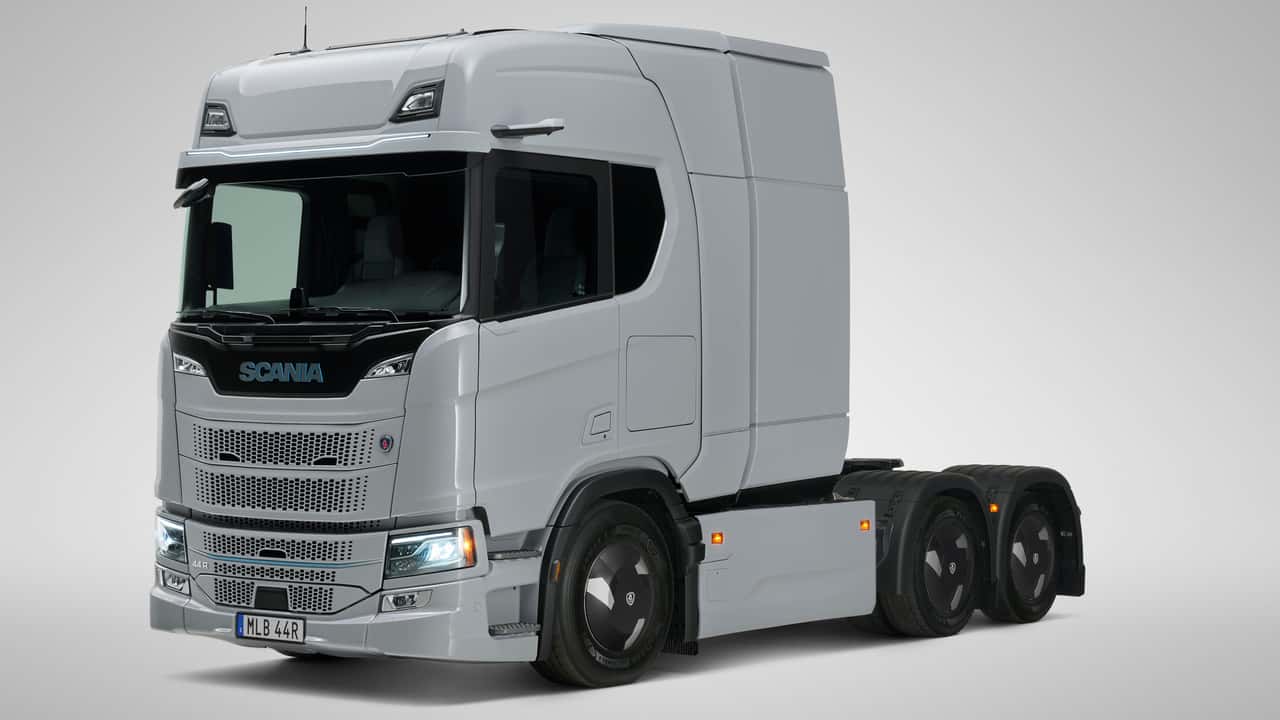
One of the clearest areas of progress is electric trucking. New battery systems and carefully optimized cab designs are helping electric big rigs improve their range and efficiency while reducing the energy required to move heavy loads. Aerodynamics matter enormously for trucks because of their size and highway operating speeds, and improvements to the cab can deliver meaningful gains over thousands of miles. The competition with high-profile electric trucks such as the Tesla Semi is therefore becoming less about headline acceleration and more about usable range, payload, charging time, operating costs, and fleet uptime.
Long-distance travel is also becoming a more realistic test for electric vehicles. A recent European road trip involving an electric Polo showed how efficiency can matter as much as the vehicle's official range rating. Although its calculated range was only about 273 miles under mostly highway conditions, one lunch-time charging stop allowed it to cover nearly 400 miles. The lesson is important: real-world usability depends not only on battery size, but also on energy consumption, charging speed, route planning, and the convenience of stopping. A vehicle that uses less energy per mile can sometimes outperform a larger-battery rival on a demanding journey.
Reliability is another major theme. An electric van that traveled through 92 countries over 445 days reportedly completed the entire expedition without a technical breakdown. Such journeys are unusually demanding, but they provide a compelling demonstration of how far electric powertrains have come. EVs generally have fewer moving parts than combustion vehicles, potentially reducing mechanical complexity. However, durability in extreme climates, access to service, charging availability, and battery performance over time remain crucial concerns for consumers and commercial operators.
Battery technology continues to sit at the center of the industry's ambitions. Companies are exploring solid-state batteries and other advanced chemistries in the hope of improving energy density, safety, charging speed, and longevity. Rather than relying on a single developer, some efforts are bringing together specialized battery companies with different areas of expertise. This collaborative approach reflects the complexity of next-generation batteries, which require advances in materials, manufacturing, cell design, thermal management, and recycling.
Battery recycling is developing alongside battery production. Porsche and its partners have demonstrated a closed-loop approach in which materials from end-of-life batteries are recycled into new cathode materials. This could reduce dependence on freshly mined resources and make EV manufacturing more sustainable over time. Recycling will not eliminate the need for mining, but it can improve resource efficiency and create a more circular supply chain as millions of older electric vehicles eventually reach the end of their useful lives.
Affordability is showing gradual improvement as well. The average new EV is reported to cost only 9.4 percent more than a comparable gasoline car, with incentives playing a smaller role in closing the gap. Lower battery costs, growing production volumes, and increased competition are helping narrow the price difference. Even so, purchase price is only one part of the ownership equation. Fuel savings, maintenance costs, insurance, charging access, and depreciation will all influence whether an EV is financially attractive to a particular driver.
Tesla remains the dominant electric-vehicle seller in many markets, but buyers now have more alternatives than ever. Established automakers are expanding their electric lineups, while newer brands are competing with distinctive designs, advanced software, and different approaches to performance and practicality. The market is no longer defined by a single styling formula or vehicle type. Buyers can choose among compact cars, crossovers, luxury models, vans, trucks, and performance vehicles, with each category developing its own strengths.
Charging is also becoming more convenient and less dependent on smartphones. Some charging providers are allowing customers to complete an initial setup and then use a credit card or other simple payment method without repeatedly opening an app. This may seem like a small improvement, but reducing friction at public chargers is essential for mainstream adoption. Drivers want fueling to be predictable and intuitive, whether they are charging at home, at work, or during a highway trip.
The EV ecosystem is expanding beyond cars as well. Electric motorcycles and e-bikes remain popular, although conventional bicycle designs can still offer a better balance of comfort, stability, and everyday usability than more experimental electric formats. The broader lesson is that electrification does not automatically make every product better. Good engineering still requires attention to ergonomics, weight, reliability, and the way people actually use a vehicle.
Autonomous driving and robotaxis are another major growth area. Hyundai plans to produce tens of thousands of electric Ioniq 5 robotaxis for Waymo, while Lucid's upcoming mid-size crossover is expected to support a driverless experience using Nvidia's Hyperion platform. These developments suggest that future EVs may be designed not only for private ownership, but also for high-utilization autonomous fleets. Fleet vehicles will place new demands on durability, interior flexibility, charging speed, and software reliability.
Policy and regulation remain part of the conversation. A bill passed by the U.S. House would require automakers to install AM radios in new vehicles, including EVs. Supporters argue that AM radio remains important for emergency communication, while automakers increasingly rely on digital systems and may omit traditional hardware. The debate illustrates how electric vehicles are becoming entangled with broader questions about regulation, public safety, and technological transition.
Overall, the feed portrays an EV industry maturing on several fronts at once. Progress is visible in battery development, recycling, charging, manufacturing speed, road-trip capability, commercial vehicles, and autonomous transport. At the same time, competition is intensifying and consumers are becoming more demanding. The next stage of electric mobility will not be won by range alone. It will favor vehicles and services that combine efficiency, reliability, affordability, convenience, and thoughtful design into a complete everyday experience.
All EV Sales Research Team
9/21/2026