
 Buy & Sell
 All EV Sales
 Explore
 Account
 Back to News
 The EV Landscape Accelerates: Cheaper Cars, Bolder Designs, Smarter Batteries, and Robotaxi Growing Pains
The latest electric-vehicle news points to an industry entering a more complicated and competitive phase. Battery-powered transportation is no longer defined by a single breakthrough or dominated by one type of vehicle. Instead, the market is expanding in several directions at once: electric pickups are being re-evaluated, affordable models are moving closer to mainstream pricing, new battery technologies are being developed through partnerships, and automakers are exploring everything from amphibious SUVs to radical autonomous vehicles.
One of the clearest themes is that electric vehicles are becoming more practical and accessible. The average new EV is now reported to cost only 9.4% more than a comparable gasoline-powered car, a significant change from the much larger price gap that once discouraged shoppers. Incentives are playing a smaller role in closing that difference, suggesting that manufacturing scale, platform development, and battery economics are beginning to have a more lasting effect. Affordability could improve further as manufacturers introduce smaller models. The R3 is already positioned as a lower-cost option, while a future R4 is expected to be even cheaper. These vehicles could help EVs reach buyers who are not interested in premium crossovers or high-performance sedans.
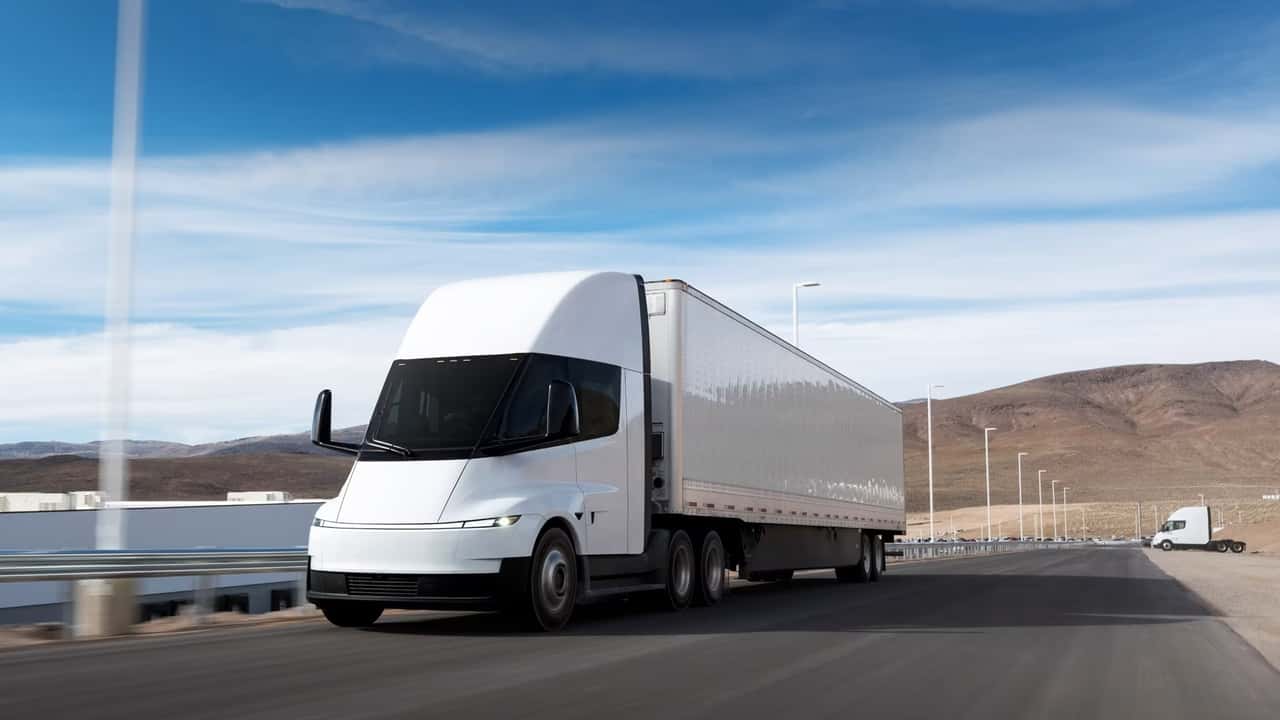
The competition is also spreading beyond passenger cars. Electric trucks remain a challenging segment because of their weight, range requirements, charging needs, and demanding workloads. However, a factory visit and passenger ride reportedly changed one Top Gear journalist’s skeptical view of an electric truck, suggesting that real-world capability may be more convincing than early assumptions. Scania is also preparing to challenge established electric big-rig projects with a truck featuring a new battery system and an aerodynamically optimized cab. The focus on efficiency is especially important in long-haul transport, where every improvement in energy consumption can affect payload, operating range, and charging frequency.
Electric vans are demonstrating another side of the technology. Volkswagen says one of its electric vans traveled through 92 countries over 445 days without a technical breakdown. Such a journey does not represent every owner’s experience, but it offers a powerful demonstration of durability and international usability. Commercial operators, in particular, may be encouraged by evidence that electric vans can handle extensive mileage when supported by careful planning and appropriate charging infrastructure.
At the more imaginative end of the market, manufacturers are testing unconventional designs and capabilities. The Geely Battleship 700 is reported to float and move through water using built-in propellers, turning an SUV into something closer to an emergency or recreational amphibious vehicle. Ceer’s Exobot SUV and sedan are described as having yoke steering, as much as 850 horsepower, and sharply angular wedge-shaped bodies. These vehicles show how electric platforms can support distinctive proportions and experimental interfaces, although dramatic styling and extreme performance will not necessarily translate into mass-market success.
New electric mobility is also appearing in smaller formats. Canada’s Beachman is offering EV conversion packages starting at $25,000, providing an alternative to buying a new electric vehicle. Conversion projects can extend the life of existing cars and reduce the environmental cost associated with replacing an entire vehicle. At the same time, the popularity of electric motorcycles and e-bikes continues to grow. While many riders are attracted to futuristic or minimalist designs, conventional bicycle layouts may still offer the best balance of comfort, practicality, and riding familiarity.
Autonomous driving remains another major area of development, though it is accompanied by familiar challenges. Hyundai’s chief executive says the company plans to build tens of thousands of Ioniq 5 robotaxis for Waymo, indicating that autonomous fleets may require dedicated manufacturing programs rather than small pilot batches. Tesla’s robotaxi riders, meanwhile, have reported vehicles taking strange routes. These incidents echo complaints Tesla owners have raised about navigation behavior for years and highlight the difficulty of creating automated systems that are not only safe, but also predictable and efficient.
Safety and reliability are central to public acceptance. One automaker has received five consumer complaints, including two involving alleged minor injuries. Although a small number of reports does not establish a broad pattern, every complaint can influence regulators, customers, and investors when a new technology is still building trust. Automakers therefore face pressure to improve software, document testing, and respond quickly to isolated incidents before they become larger confidence problems.
Battery development is becoming increasingly collaborative. Rather than working alone, Factorial is bringing specialized battery companies together to advance solid-state technology. This approach reflects the complexity of next-generation batteries, which require expertise in materials, manufacturing, thermal management, safety, and production scaling. Solid-state systems promise improvements in energy density and safety, but bringing them from laboratory demonstrations to affordable, high-volume vehicles remains a major challenge.
The feed also highlights the continued diversity of powertrain strategies. The 2027 Nissan Rogue Hybrid will use a hybrid system that differs from rival designs, showing that electrification does not always mean a fully battery-powered vehicle. Hybrids can serve customers who want improved efficiency without relying exclusively on public charging, particularly in regions where charging infrastructure is still developing. Automakers are therefore pursuing several paths simultaneously rather than betting everything on one transition speed.
Globalization and trade policy add another layer of complexity. A Chinese company sees an opportunity in the American market despite trade barriers and is considering local production through licensing. Building vehicles domestically, or partnering with local manufacturers, could help companies navigate tariffs and regulatory restrictions. It also demonstrates how international EV competition is increasingly shaped by industrial policy as much as by vehicle design.
Meanwhile, established brands are trying to sharpen their identities. Håkan Samuelsson has returned from retirement to help guide one marque, while another luxury manufacturer is conducting an unusually demanding testing program that includes opening and closing Project Nightingale’s distinctive side-opening trunk 15,000 times. These details may seem minor compared with battery range or horsepower, but they illustrate how manufacturers are attempting to validate unusual features before vehicles reach customers.
The Tesla Roadster remains a high-profile example of how anticipation can become part of a product’s identity. Its reveal is expected in two weeks, and prospective customers are already debating whether a $50,000 reservation is reasonable for a vehicle they have not yet seen in production form. The discussion captures both the strength of Tesla’s brand and the risks of long development timelines. Tesla remains the leading EV seller in many markets, but buyers now have more alternatives, from affordable compact models to luxury vehicles, electric trucks, conversions, and specialized performance cars.
Taken together, these stories describe an EV industry moving beyond the first phase of adoption. The central questions are no longer simply whether electric vehicles can work. Instead, manufacturers must prove that they can be affordable, dependable, comfortable, useful for work, safe in automated operation, efficient over long distances, and adaptable to local regulations. The next stage of the transition will likely be defined less by one breakthrough vehicle and more by the steady combination of better batteries, broader product choices, smarter software, and increasingly intense competition.
All EV Sales Research Team
9/22/2026