

Global EV Momentum Accelerates as Automakers Double Down on Battery Innovation
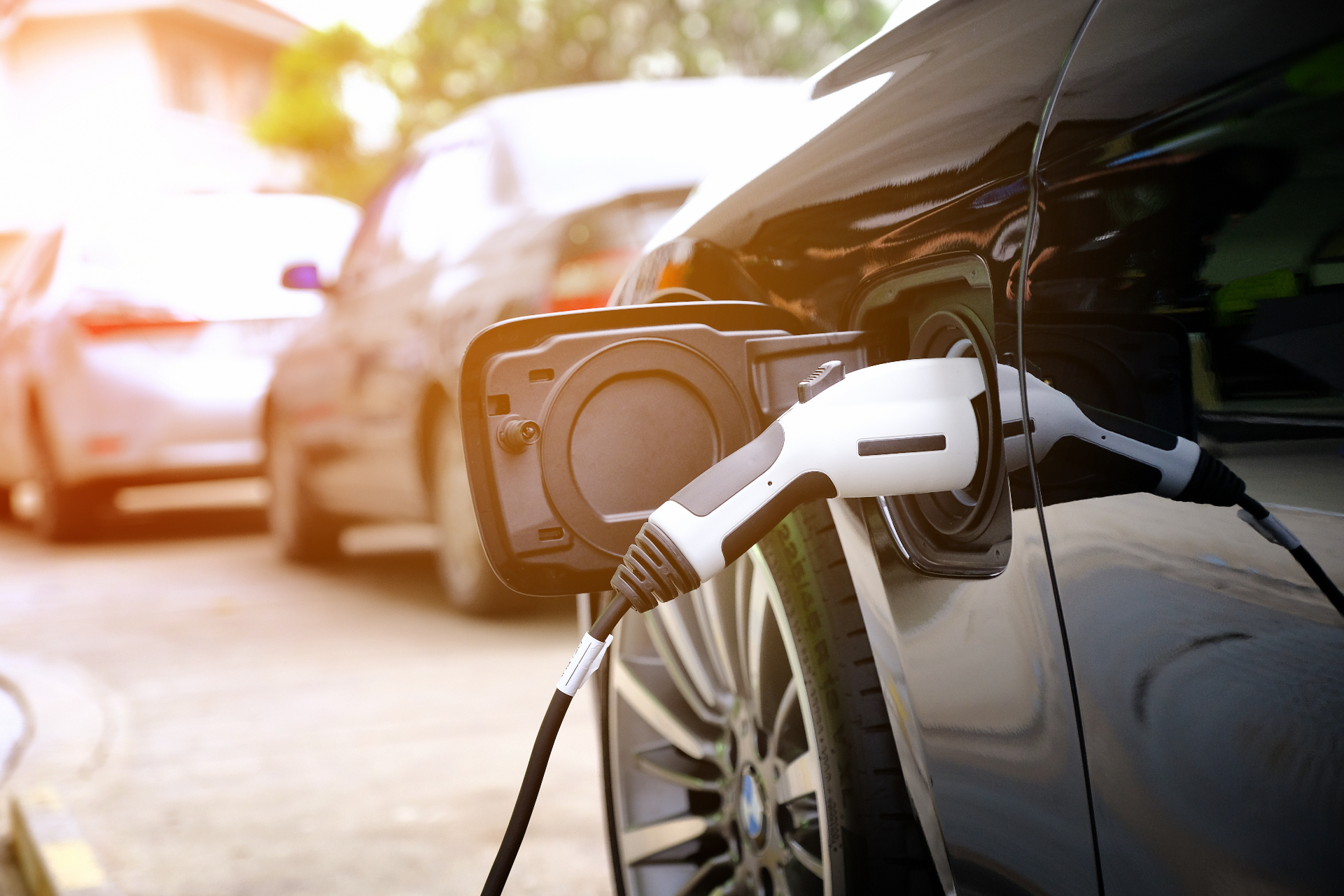
Global EV Momentum Accelerates as Automakers Double Down on Battery Innovation
Over the past decade, the electric vehicle (EV) revolution has shifted from a niche market to the forefront of transportation innovation. In 2024, the pace has quickened even further, fueled by breakthroughs in battery technology, growing infrastructure investment, and intensifying government incentives. The transition from internal combustion engines (ICE) to fully electric platforms is no longer just an environmental ambition—it’s rapidly becoming the global industry standard.
Battery Breakthroughs Redefine Range Expectations
One of the most striking developments in recent months has come from advancements in next-generation batteries. Several manufacturers have announced progress on solid-state cells, which promise dramatically shorter charging times, greater energy density, and longer lifespans compared to current lithium-ion packs.
Recent announcements from prominent research groups suggest that solid-state batteries could enter limited commercial production as early as 2026. Meanwhile, lithium-iron-phosphate (LFP) chemistry—once confined to lower-cost vehicles—is gaining traction due to improvements in cold-weather performance and durability. Automakers are exploring hybrid strategies, integrating LFP for entry-level models and higher-density nickel-manganese-cobalt (NMC) batteries for premium variants.
Analysts note that falling battery prices could mark a tipping point. According to recent data, the average cost per kilowatt-hour dropped below $100 in some markets this year. That threshold has long been considered the milestone at which EVs achieve price parity with traditional gasoline models.
Charging Infrastructure Expansion
A major barrier for EV adoption has always been charging access. Governments and private companies are now racing to fill this gap. The United States, under its national EV infrastructure plan, continues to deploy thousands of fast chargers across highway corridors. In Europe, interoperability agreements between charging networks have improved, allowing drivers to use a single payment system regardless of provider.
Asia, particularly China, remains at the forefront of infrastructure scale. The country installed hundreds of thousands of new public charging points in the last year alone, with most capable of ultra-fast charging speeds exceeding 250 kW. This expansion has dramatically increased driver confidence and reduced charging-related anxiety.
The trend toward renewable-powered charging hubs also continues to grow. Solar-integrated charging stations are popping up at supermarkets, rest stops, and office complexes, contributing to the creation of a truly sustainable mobility ecosystem.
Automakers Pivot Production Lines
Legacy automakers have accelerated their EV roadmaps, with several announcing timelines to transition fully away from ICE models. Production plants in Europe and North America are undergoing massive retooling efforts to meet demand. At the same time, demand for critical minerals—such as lithium, nickel, and cobalt—continues to create supply chain challenges.
To address this, more companies are investing directly into mining partnerships and recycling initiatives. Battery recycling, once considered an afterthought, is now a critical element of the EV ecosystem. Startups specializing in recovering rare materials from used batteries are seeing strong investment growth.
In parallel, newer manufacturers are entering the market with modular vehicle architectures that reduce development costs and allow faster iteration cycles. This competitive pressure is forcing established brands to innovate more aggressively than ever before.
Policy and Global Adoption Trends
Government policy continues to play a pivotal role in shaping the EV landscape. Several European nations have reaffirmed 2035 as the cutoff year for the sale of new internal combustion vehicles. In the U.S., new tax credit rules mean consumers can access incentives based not only on vehicle cost but also on where batteries are produced. This has prompted automakers to localize supply chains within North America.
Emerging markets are also joining the transition. Countries such as India, Thailand, and Brazil are implementing financial incentives for both EV production and purchases, coupled with expanded import credits for battery technology. As the costs decrease, EV adoption among middle-income consumers is rising more rapidly than expected.
The Tech Factor: Software, AI, and Connectivity
Modern EVs are increasingly defined not just by their batteries but by their software. Artificial intelligence now plays a key role in optimizing energy management, route planning, and predictive maintenance. Over-the-air updates enable manufacturers to improve performance and efficiency long after a vehicle rolls off the production line.
Advanced driver-assistance systems are becoming standard, reflecting the convergence of EV technology with automated driving initiatives. AI-driven safety features such as adaptive cruise control, lane-keeping, and obstacle avoidance are improving reliability and reducing accident rates.
Challenges on the Road Ahead
Despite the optimism, challenges remain. The global supply chain for battery materials remains under strain, and environmentalists warn against the unchecked expansion of mining in sensitive ecosystems. Additionally, the power grid in some regions is still under-prepared for a massive surge in electricity demand as EV adoption accelerates.
To counter these issues, major utilities and regulators are collaborating on grid modernization programs. Smart charging strategies—where vehicles automatically charge during off-peak hours—are being implemented to balance demand. Meanwhile, emerging technologies such as vehicle-to-grid (V2G) systems may allow EVs to return stored energy to the grid during peak usage times.
Looking Ahead
Experts predict that global EV sales will surpass 20 million units annually within the next few years, a figure that seemed inconceivable only a decade ago. As battery technology matures and production scales up, consumer hesitations continue to dissipate.
The story of electric mobility in 2024 is one of unstoppable momentum. What once seemed a distant technological shift has evolved into a defining moment in human mobility. From innovation labs to assembly lines and from public charging networks to household driveways, the electric revolution is no longer coming—it’s here, and it’s accelerating faster than anyone imagined.