

EV Market Overview: Longer Range, Lower Prices, and a Race to Rebuild Momentum
The EV market enters a more competitive phase
The latest electric-vehicle news points to an industry moving beyond its early race for headline range and acceleration. Automakers are now balancing affordability, efficiency, charging speed, software, hybrid technology, and long-term profitability. Some companies are pushing ahead with new battery-electric models, while others are using hybrids and extended-range electric vehicles as a bridge for customers who are not yet ready to make a complete switch.
One of the clearest themes is the expansion of choice. At least 47 electric cars now offer 300 miles or more of range, five more than in the previous major update. That growing selection includes vehicles from established manufacturers as well as newer EV specialists. Range is still a major selling point, but the market is increasingly showing that efficiency, charging access, practicality, and price may matter just as much.
More practical and premium electric vehicles
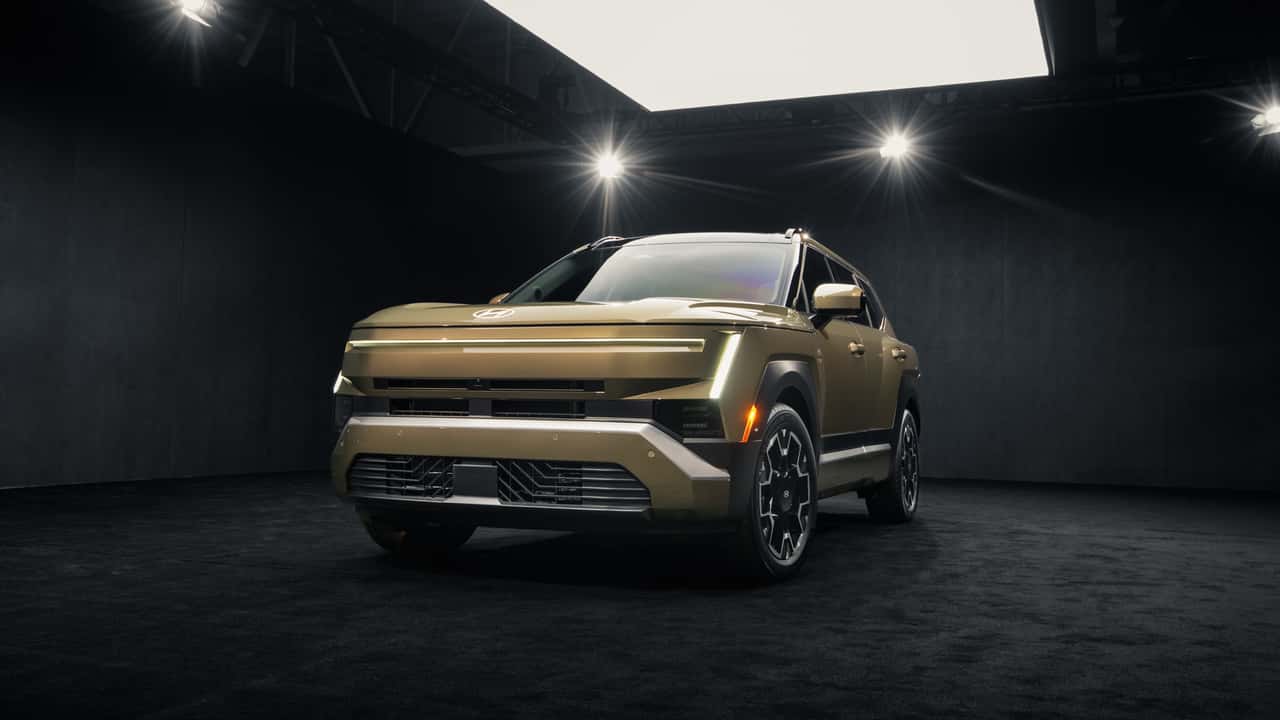
Several new models are being positioned as more mature alternatives to their predecessors. Hyundai’s best-selling vehicle is becoming larger, more efficient, and more upscale, reflecting the company’s effort to make electric transportation feel less like a compromise. Volkswagen’s new small EV has also drawn attention for delivering a surprisingly polished experience on European roads. It may rank among Volkswagen’s strongest electric vehicles yet, although its pricing could limit its appeal among buyers seeking an inexpensive entry point.
BMW is taking a similar approach at the premium end of the market. Its entry-level electric car is part of a broader turnaround plan that includes both battery-powered vehicles and a large gasoline SUV aimed at American customers. The new BMW i3 40 xDrive retains dual-motor all-wheel drive, but uses a smaller battery than expected. That decision suggests the company is trying to balance performance, packaging, cost, and efficiency rather than simply installing the largest possible battery.
The i3 is also expected to offer as much as 468 miles on the EPA test cycle, a figure that would place it among the longest-range EVs available and put additional pressure on Tesla. Actual driving range will vary with weather, speed, wheels, and driving conditions, but the headline figure demonstrates how quickly battery technology and vehicle efficiency are progressing.
Electric trucks face a tougher reality
Electric pickups remain one of the most important—and difficult—segments in the transition. Ford’s planned $30,000 electric pickup could give the company an opportunity to reset its EV business by reaching a much larger audience. However, achieving that price while maintaining useful range, durability, and acceptable margins will be difficult. The success of the project will depend not only on demand but also on Ford’s ability to manufacture the vehicle efficiently.
Sales data from the electric Chevrolet Silverado illustrate the challenges facing larger EVs. Silverado EV sales fell 92% year over year, but the decline appears to be tied largely to changes in tax-credit availability rather than a simple collapse in consumer interest. Incentives can significantly affect the timing and affordability of EV purchases, making sales comparisons difficult when federal or regional policies change.
Another electric SUV is also being prepared for a launch with approximately 400 miles of range and charging at up to 350 kilowatts. That combination could make it attractive to drivers who need both long-distance capability and shorter charging stops. Fast charging, however, is only useful when the supporting infrastructure is available.
Charging and commercial transportation continue to expand
Charging networks remain central to the EV story. One network now has more than 180 charging sites in the United States and continues to add locations each week. While this represents progress, drivers still face differences in charger reliability, payment systems, station density, and access between regions. Continued expansion will be essential for making long-distance electric travel more predictable.
Electrification is also moving into commercial transportation. A package delivery company plans to deploy American-made electric vehicles from Harbinger across the United States and Canada. Fleet operators are often well suited to EVs because delivery vehicles follow repeatable routes, return to depots, and can charge during scheduled downtime. Commercial adoption could therefore grow even while private buyers remain cautious.
Hybrids remain part of the transition
The feed also highlights the increasingly important role of hybrids and plug-in hybrids. A growing share of Toyota and Lexus sales now comes from EVs, hybrids, and plug-in hybrids, and the companies intend to continue expanding these offerings. Nissan is preparing additional hybrid models and extended-range electric vehicles as it seeks to keep pace with changing customer preferences.
This approach reflects a divided market. Some consumers want a fully electric vehicle, while others remain concerned about charging, cost, cold-weather performance, or long-distance travel. Hybrids and extended-range models can offer electric driving for daily use while preserving the flexibility of gasoline for longer journeys.
Software, autonomy, and battery durability
Technology remains another major battleground. Rivian still plans to introduce a new autonomy computer and lidar system this year, although the hardware will not initially be available for purchase by customers. The move indicates that advanced driver assistance is increasingly being treated as an evolving platform rather than a one-time feature.
Another automaker is working on a method intended to slow battery degradation. Extending battery life could improve resale values, reduce ownership costs, and make used EVs more attractive. Vehicle-to-load functionality is also finally coming to an electric sedan, allowing the car to provide power to external equipment. The feature will initially be limited to markets outside the owner’s country, showing how regional regulations and product strategies can affect the rollout of useful EV technology.
A market shaped by policy and global competition
The business environment remains complicated. Around 20% of Mercedes shares are owned by Chinese investors, and the automaker may need to reduce that proportion to comply with a new law. Meanwhile, executives continue to argue that Ford can compete, although they acknowledge that the company needs time to execute its strategy.
Taken together, these developments show an EV industry becoming broader and more pragmatic. Automakers are pursuing long-range flagships, affordable pickups, compact European cars, luxury sedans, commercial vans, hybrids, and extended-range models at the same time. The next phase will not be defined by one technology or one winning company. Instead, success will depend on delivering vehicles that fit different budgets and lifestyles while improving charging access, software, durability, and manufacturing economics.