

EVs Enter a More Competitive Era as Charging, Hybrids, and New Platforms Reshape the Market
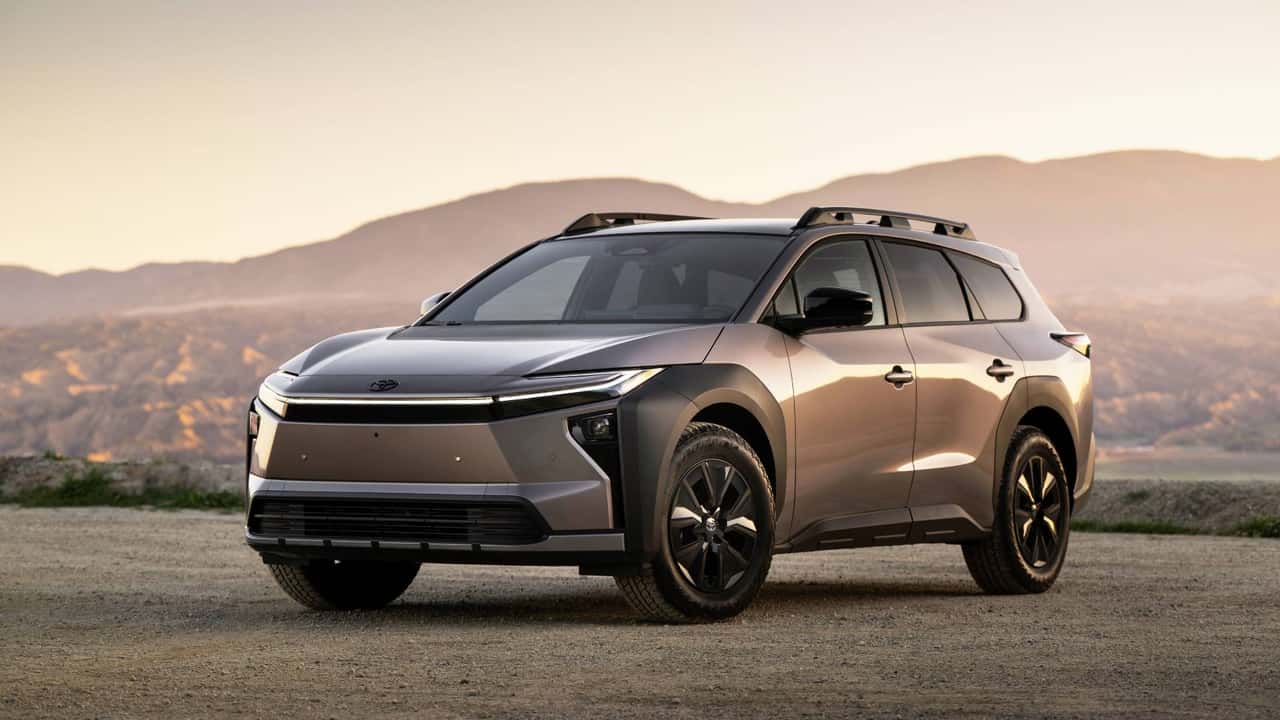
The electric-vehicle market appears to be finding its footing after a difficult year. The latest developments across the industry point to a period of adjustment rather than retreat, with automakers, charging operators, and technology suppliers working to address the practical and financial challenges that have slowed EV momentum. At the same time, hybrids are expanding rapidly, new vehicle platforms are promising lower costs, and a fresh generation of electric models is preparing to reach consumers.
One of the clearest themes is the pressure to make electric vehicles cheaper to build. Electric buses remain particularly difficult to produce profitably, highlighting the broader challenge of reducing battery, platform, and manufacturing costs. A new generation of vehicle architectures could help by allowing automakers to share components across multiple models and improve factory efficiency. This cost-conscious approach is also visible in plans for a European-built electric vehicle with a starting price of roughly €15,000. If such a target can be achieved without major compromises, affordable EVs could become more accessible to drivers who have so far been priced out of the market.
The product pipeline itself remains varied. Some upcoming vehicles are practical family models, while others are performance-focused showcases designed to demonstrate what electric powertrains can do. The next Tesla Roadster continues to attract attention because of its extraordinary promised acceleration and performance, although uncertainty remains over whether the long-delayed sports car will actually enter production. At the opposite end of the spectrum, compact models are receiving meaningful upgrades. The next electric Smart #2 is expected to retain its city-friendly size while gaining a larger battery and faster charging, making longer journeys less intimidating.
Several concepts show how manufacturers are experimenting with new body styles. One vehicle uses a sliding rear section to transform from an SUV into a pickup-style truck, suggesting that flexible designs could appeal to buyers who want multiple vehicle functions without owning multiple cars. Another retro-inspired electric concept draws on historic styling while previewing the possibilities for a future sports car. Peugeot’s E-T16, meanwhile, combines an aggressive Group B-inspired appearance with technologies intended to influence the next electric 208. These concepts may not all reach production in their displayed form, but they provide clues about future styling, packaging, and performance priorities.
Charging technology is advancing alongside the vehicles themselves. U.S. charging infrastructure became faster and more widespread during the third quarter, reinforcing the gradual improvement in the public charging experience. Electrify America’s network may not be expanding as quickly as every competitor, but its footprint remains large enough to preserve a leading position. Increased charger availability, higher charging speeds, and improved reliability are essential if EVs are to become easier to use for apartment dwellers, road-trippers, and households without private parking.
Battery development is also moving quickly. A high-performance BYD model is reported to charge from 10 to 70 percent in only five minutes and reach 97 percent in less than ten minutes, figures that would bring charging times much closer to the convenience of refueling with gasoline. Peugeot’s electric concept makes a similarly ambitious claim, with a solid-state battery and 1,000-volt electrical architecture enabling a 10-to-80-percent charge in about ten minutes. These numbers remain dependent on production readiness, charger capability, battery temperature, and real-world conditions, but they illustrate the direction of the industry.
Hybrids are becoming an increasingly important part of the transition. Chinese hybrid vehicles have expanded rapidly in Europe, partly because they avoid the highest tariffs applied to fully electric vehicles. Their growth reflects consumer demand for lower fuel use without complete dependence on public charging. Automakers are responding with at least 15 next-generation hybrid models in development, most of them intended for North America. Rather than replacing EV programs, these vehicles may serve as a bridge for buyers who want electrified driving but remain concerned about range, charging access, or purchase price.
Regional performance is uneven. Some manufacturers are struggling in China, where competition is intense and local brands have improved quickly. Yet the same market forces do not apply everywhere: EV sales in Europe grew by 20 percent in the latest quarter, showing that demand can remain strong when incentives, product availability, and charging networks align. Automakers are therefore balancing different strategies by region, including all-electric models, hybrids, and vehicles built around local pricing and regulatory conditions.
Reliability and safety remain important counterpoints to the technological optimism. Independent testing found that a brake-pedal bracket in the Maextro V800 could fail during a 62-mph emergency-braking maneuver, a serious reminder that rapid innovation must be matched by rigorous engineering and testing. Software is another differentiator. A vehicle may lack the sophistication of a premium electric sedan, but dependable software can be more valuable to owners than a long list of advanced features that do not work consistently.
Overall, the feed depicts an EV industry becoming more mature and more complicated. Progress is no longer measured only by how many electric models are announced. Costs, charging speed, network reliability, safety, software quality, regional demand, and hybrid strategy are all shaping the next phase. The market may not be advancing in a straight line, but the combination of cheaper platforms, faster batteries, broader charging coverage, and more diverse vehicle designs suggests that electrification is continuing to develop—even as manufacturers adjust their plans to meet economic and practical realities.