

High-Mileage Chevy Bolt EV Gets New Battery After Nearly 471,000 Miles
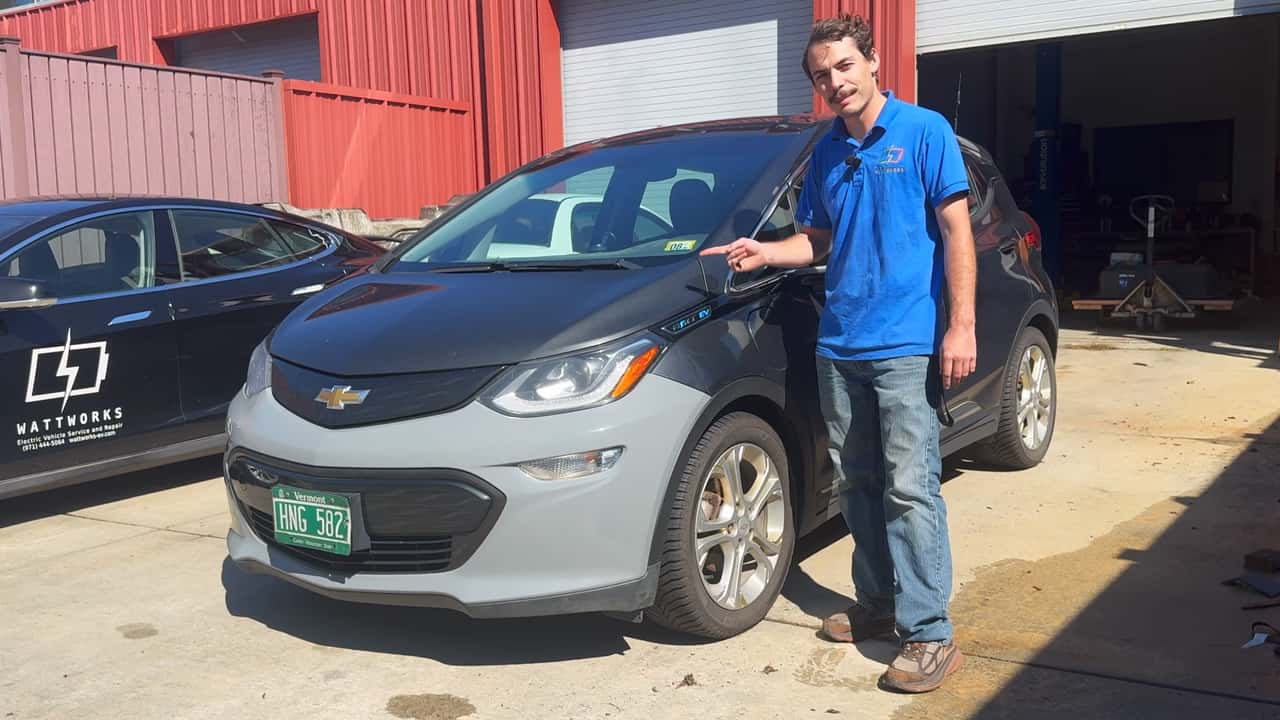
The Chevrolet Bolt EV has endured its share of controversy, most notably a major battery recall that affected the electric hatchback’s reputation. Yet some owners continue to demonstrate why the model developed such a loyal following in the first place. One 2019 Bolt EV recently returned to the road after receiving another high-voltage battery, despite having accumulated an extraordinary 471,000 miles.
The vehicle was brought to the Out of Spec Renew workshop for a significant repair after it developed a problem that prevented it from shifting into Drive. According to the repair video, the issue was traced to cell imbalances in two battery modules. Rather than abandon the car, its owner decided to replace the battery and keep the aging Bolt in service.
That decision is notable because the car had already received a replacement battery through General Motors’ recall program. The recall-related battery replacement took place in 2022, when the vehicle had approximately 138,000 miles on its odometer. The battery that was installed at that time ultimately lasted more than 330,000 miles before the latest fault occurred.
For an electric vehicle that has spent years on the road, that is a remarkable distance. Battery degradation and long-term durability remain common concerns among potential EV buyers, making high-mileage examples such as this one particularly interesting. While one vehicle cannot establish a universal reliability standard, the Bolt’s service history suggests that its battery pack and other major components can withstand extensive use when properly maintained.
The replacement battery installed by the workshop came from a used Chevrolet Bolt. It was estimated to have covered only about 15,000 miles, giving the owner a relatively low-mileage pack at a fraction of the cost of a brand-new unit. If it performs similarly to the battery it replaced, the Bolt could remain on the road for many more years and hundreds of thousands of additional miles.
Replacing an electric vehicle’s main battery is a serious job because the pack is heavy and contains high-voltage electrical components. However, the technicians demonstrated that the process can be relatively straightforward when performed by people with the appropriate equipment and training.
The first step was disconnecting the vehicle’s 12-volt battery. The technicians then removed the high-voltage disconnect plug, which isolates the battery pack and helps make the electrical system safe to work on. Once those precautions were completed, the Bolt was raised on a lift so the battery could be accessed from underneath the vehicle.
The pack was secured by approximately a dozen bolts. The technicians also disconnected several electrical connections and two coolant hoses before lowering the original battery from the car. After the faulty pack was removed, the used replacement was positioned underneath the Bolt and fastened into place.
The cooling system then had to be refilled and purged to eliminate trapped air. Air pockets can interfere with coolant circulation, so this step is important for ensuring that the battery’s thermal-management system works correctly. The replacement battery also required programming before the car could be returned to normal operation.
In fact, the programming and setup process appeared to take longer than the physical removal and installation of the battery itself. Altogether, the workshop spent roughly four and a half hours completing the repair. Once the electronic systems were configured and the installation was checked, the Bolt was ready to operate again.
The cost of the repair was also considerably lower than many people might expect. The workshop paid approximately $1,800 for the used replacement battery. That price may not be representative of every market or buyer, but a typical used Bolt battery could cost an individual owner somewhere in the range of $2,500 to $3,000. Labor could add another $800 to $1,000, depending on the shop and local rates.
That puts the estimated total replacement cost at approximately $3,300 to $4,000 for many owners. While that is still a substantial amount of money, it compares favorably with the cost of replacing an internal-combustion engine. Engine replacement bills can range from roughly $2,000 to $10,000, depending on the vehicle, the engine being installed, and the amount of labor required.
The Bolt’s battery history makes the repair especially compelling. The previous pack traveled more than 300,000 miles before developing a problem serious enough to stop the vehicle from driving. With a much lower-mileage replacement now installed, the owner appears to have chosen a practical way to extend the life of the car rather than replace it entirely.
The example also highlights one of the potential advantages of keeping an older EV in service. Although battery repairs can be expensive, the rest of the vehicle may continue operating normally for many years. In this case, replacing the battery allowed a well-used Chevrolet Bolt with nearly half a million miles to continue its journey instead of being retired because of a single major component failure.