

EV Market Enters a New Phase of Growth, Competition, and Practical Innovation
The electric vehicle market is moving beyond the early-adopter stage
The latest developments across the electric vehicle industry point to a market becoming broader, more competitive, and increasingly practical. Automakers are expanding production, launching more affordable models, improving charging speeds, and refining hybrid technology. At the same time, consumers are gaining more choices in both the new and used vehicle markets, while governments and technology companies continue to build the infrastructure needed for wider adoption.
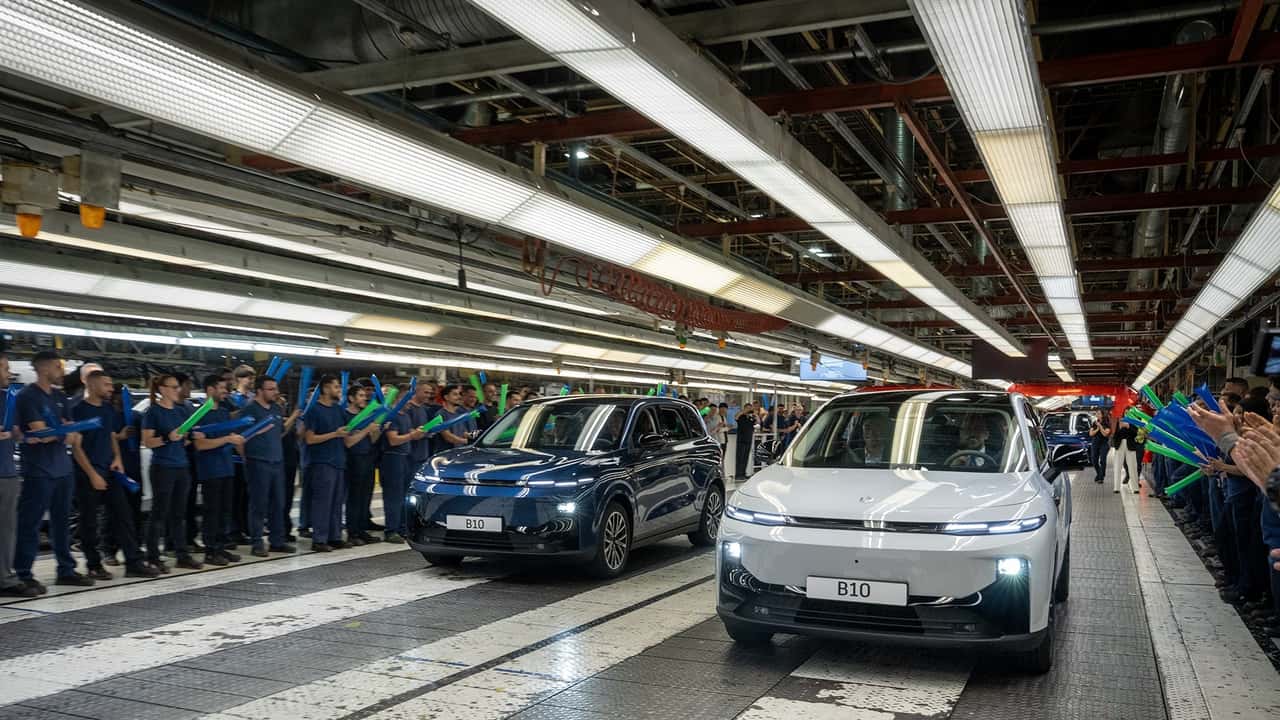
One of the clearest themes is the growing importance of regional manufacturing. Stellantis is preparing to build Leapmotor’s B10 electric crossover in Spain, with another model expected to follow next year. The move reflects a wider effort to produce EVs closer to their intended markets and make use of existing industrial capacity. The Spanish facility has previously been associated with battery production for the Cadillac Celestiq and drive-unit manufacturing for the Chevrolet Corvette E-Ray, demonstrating how factories are being adapted as the industry shifts between different types of electrified vehicles.
The competitive landscape is also expanding at the entry level. Kia is preparing a new affordable EV designed to challenge other budget-friendly electric models, while the number of available EVs continues to grow rapidly. Many of these vehicles are positioned below the premium segment, giving buyers more opportunities to switch from gasoline without paying luxury-car prices. This widening selection may be one of the most important developments in the market, since affordability remains a larger barrier to adoption than technology for many households.
Manufacturers are also adjusting their product strategies. Lexus has discontinued the gas-only version of the NX, leaving hybrid and plug-in hybrid models as the remaining choices. That decision reflects a gradual transition rather than an immediate move to fully electric vehicles. Plug-in hybrids continue to serve as a bridge for drivers who want lower fuel consumption and some electric-only range but are not yet ready to depend entirely on public charging or a home charger. Newer plug-in hybrid systems are expected to offer more electric range, reduced gasoline use, and faster charging, potentially making them more appealing than earlier generations.
The used market provides another sign that demand for electrified vehicles is becoming more mainstream. Strong used EV sales suggest that consumers are interested in plug-in vehicles when prices become accessible. Falling resale prices can create challenges for original owners and manufacturers, but they also make electric transportation available to people who cannot afford a new model. As battery warranties, vehicle histories, and long-term reliability become easier for buyers to evaluate, the used EV market could become a major driver of adoption.
Battery technology remains a central area of innovation. Battery swapping is receiving renewed attention, particularly through vehicles that can exchange depleted battery packs for charged ones. The ability to upgrade to a newer or larger battery later is especially notable because it could extend a vehicle’s useful life without requiring the purchase of an entirely new car. While swapping infrastructure is still limited compared with conventional charging, the concept highlights the industry’s search for alternatives to long charging stops and concerns about battery aging.
Charging itself is improving quickly. Some new vehicles are advertising a 10-to-80 percent charging time of approximately 12 minutes, while one Tesla model is described as the fastest-charging vehicle the company has produced. Faster charging can make electric road trips more convenient, although real-world results depend on battery temperature, charger availability, charging-station output, and the vehicle’s state of charge. Software is helping as well. Route planning through Android Auto can now make it easier to identify charging stops, estimate energy use, and organize longer journeys with less planning effort.
Range confidence is another recurring theme. New electric SUVs are being promoted as capable long-distance vehicles, with improvements designed to reduce anxiety about highway driving. However, efficiency can still suffer at higher speeds, especially in larger or less aerodynamic vehicles. This means that official range figures may not fully represent how far a vehicle can travel during fast highway trips, in cold weather, or when carrying heavy loads.
Driver assistance is advancing alongside electrification. Point-to-point hands-free driving is becoming available to a limited group of owners willing to participate in testing and meet specific requirements. These systems remain dependent on road conditions, software capabilities, driver attention, and regulatory approval, but their arrival shows how electric vehicles are increasingly being used as platforms for broader automotive technology development.
Traditional automakers are also working to reduce their dependence on outside partners. Subaru is reportedly considering a new platform, lighter batteries, and more in-house electronic systems to create EVs that can stand apart from Toyota’s influence. Developing more of the underlying technology internally could help manufacturers improve efficiency, control costs, and create vehicles with more distinctive designs and driving characteristics.
Government incentives and charging infrastructure remain essential to the transition. Nearly 12,000 buyers have already used California’s new rebates, while the state is revising its projections for charging-network growth. These programs can lower the upfront cost of an EV and help address the uneven availability of charging stations. Other stories in the feed point to the continuing need for safety improvements, including efforts to reduce the risk of vehicle fires. Although some fixes may be cheaper than replacing a combustion engine, safety solutions are not always perfect and require ongoing engineering work.
Adoption is also spreading geographically. VinFast vehicles remain relatively uncommon on American roads, but the company plans to increase its presence in Los Angeles. Greater visibility from newer manufacturers could intensify competition and give consumers more alternatives, even as questions about service networks, reliability, and long-term support remain important.
Taken together, these developments show an EV market that is no longer defined by a single technology or business strategy. Battery-electric vehicles are becoming faster to charge, easier to plan trips with, and more varied in price and size. Hybrids and plug-in hybrids are filling transitional roles, used EVs are reaching more buyers, and manufacturers are experimenting with battery swapping, software, advanced driver assistance, and localized production. The result is a more diverse market in which affordability, efficiency, convenience, and trust may matter just as much as headline range figures.