

The EV Market Is Entering Its Most Competitive—and Technologically Ambitious—Phase Yet
Electric vehicles move from early adoption to mainstream competition
The latest developments across the electric-vehicle industry reveal a market moving beyond simple questions about range and battery size. Automakers are now competing on software, charging convenience, autonomous-driving features, design, performance, affordability, and the ability to make electric vehicles feel familiar to buyers who are still attached to gasoline-powered SUVs and luxury cars.
The stories in this feed also show how uneven the transition remains. Some manufacturers are introducing sophisticated new platforms and connected services, while others are delaying or reshaping long-promised products. At the same time, Chinese electric-vehicle manufacturers continue to raise the competitive pressure with lower costs, rapid development cycles, and broad product offerings.
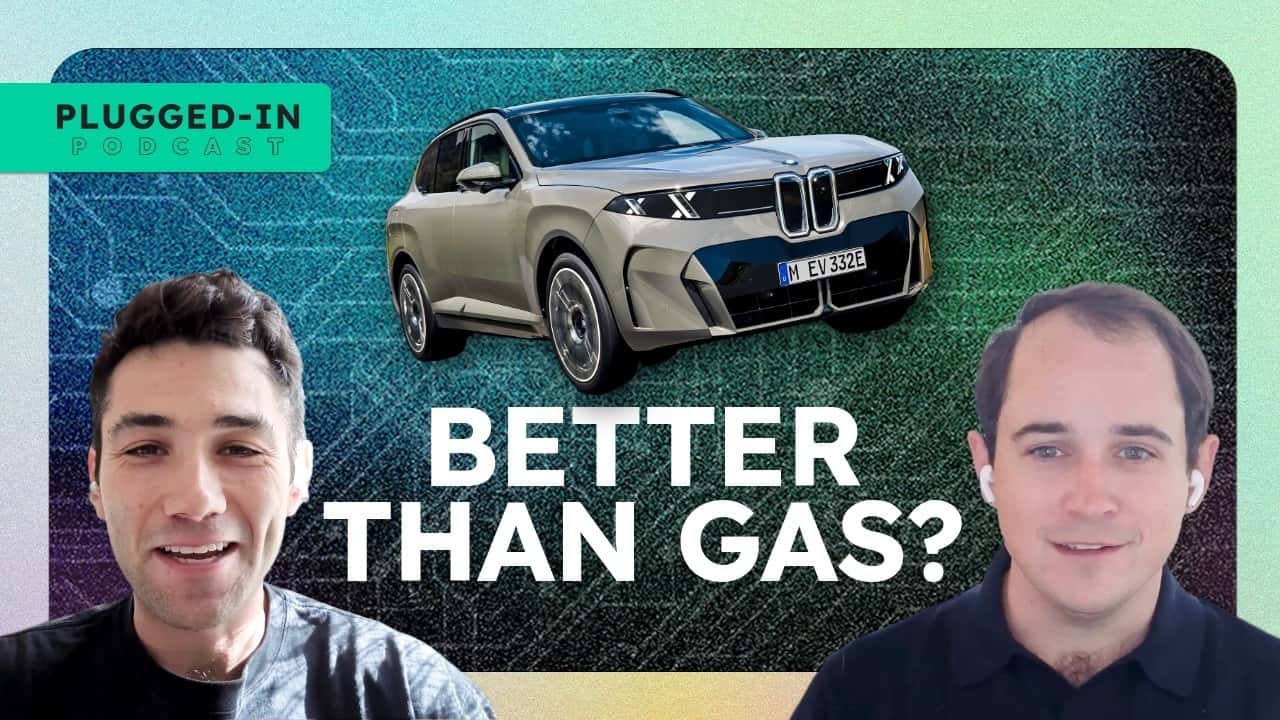
One of the clearest themes is the effort to bring electric powertrains into established vehicle segments. BMW is preparing to make the X5 electric for the first time, with a test drive of the iX5 examining whether the model can persuade traditional BMW customers to switch to an EV. The challenge is not simply producing a powerful electric SUV. The vehicle must preserve the comfort, quality, practicality, and driving character associated with the X5 while delivering the smoothness and instant torque expected from an electric drivetrain.
Other premium brands are taking a similar approach. A plug-in version of the Lexus ES is being presented as a refined and comfortable choice for drivers who want to reduce fuel use without taking on the full adjustment required by a pure EV. Its appeal centers on lowering the stress of long-distance travel, demonstrating that plug-in hybrids remain relevant while charging infrastructure and consumer confidence continue to develop.
At the high end of the market, Ferrari is preparing its first electric model. The expected price and exclusivity are so extreme that a Rolls-Royce Cullinan reportedly looks inexpensive by comparison. Although such a vehicle will not affect mass-market adoption directly, it reflects the expanding range of electric technology. EVs are no longer being associated only with economy cars, compact crossovers, or environmentally focused buyers. They are also becoming a platform for extreme performance, luxury, and brand experimentation.
Affordability remains just as important. A new electric hatchback priced below $40,000 will be judged against increasingly capable Chinese offerings, which have built their reputation around competitive pricing and abundant features. The question is whether established automakers can reduce costs quickly enough while still delivering quality, useful range, and an ownership experience that compares favorably with imported alternatives.
Cost pressure is also influencing battery and vehicle-platform decisions. One manufacturer is preparing a fourth-generation EV architecture using lithium manganese-rich cells, potentially offering a different balance of energy density, cost, durability, and material availability. Another has made an extended-range battery standard across its lineup at no additional cost, while adding a Trail trim with raised suspension for buyers seeking more capability and a more rugged appearance. These developments show that product differentiation is increasingly happening at the battery and software level rather than only through styling.
Technology is becoming a central part of the ownership experience. General Motors is introducing OnStar Connected Cameras, bringing security and monitoring functions that resemble features popularized by Tesla. Future electric models are expected to offer camera-based security systems and autonomous-driving capabilities, while gasoline-powered SUVs will continue receiving many of the same digital upgrades. This blurs the traditional boundary between EV innovation and broader automotive technology: features first associated with electric cars are spreading across entire product portfolios.
Tesla remains a major reference point in this software race. New subscription figures reportedly indicate that 75% of buyers are signing up for the company’s $99-per-month autonomy software, suggesting that some customers are willing to pay continuously for advanced driving functions rather than treating technology as a one-time purchase. Tesla’s Cybercab plans add another layer to the discussion. CEO Elon Musk says most Cybercabs will be owned by Tesla, pointing toward a business model built around a company-controlled autonomous fleet rather than individual ownership alone.
Traditional automakers are also attempting to modernize their digital ecosystems. Audi is launching a new application built without Google’s design restrictions, initially for models such as the A6 e-tron and Q6 e-tron in markets around the world. The move highlights the growing importance of control over in-car software, user interfaces, data, and connected services. Automakers increasingly view the vehicle operating system as a strategic asset, not merely an accessory supplied by a technology partner.
Infrastructure continues to shape adoption at the local level. One city is allowing residents to decide where Level 2 chargers should be installed, with priority given to neighborhoods containing apartment buildings. That approach recognizes a major weakness in the charging landscape: homeowners with garages can often install private equipment, while renters and residents of multifamily buildings may have few convenient options. Public investment targeted at those communities could make EV ownership more practical and equitable.
The feed also captures the uncertainty surrounding ambitious new products. One company that had accepted deposits for seven years has now told reservation holders that its plans have changed, underscoring the difficulty of bringing a vehicle from concept to production. Getting a first EV right is described as a major challenge, but also as an essential milestone for manufacturers that need credibility in a rapidly changing market.
Together, these stories portray an industry at a turning point. Electric vehicles are becoming more powerful, luxurious, connected, and capable, but they must also become cheaper, easier to charge, and more dependable in everyday life. Chinese manufacturers are intensifying competitive pressure, while established brands are responding with new platforms, hybrids, software subscriptions, connected cameras, and increasingly ambitious autonomous-driving plans. The next phase of the EV transition will be decided not by a single breakthrough, but by how successfully automakers combine technology, affordability, practicality, and consumer trust.