

EV News Roundup: Lower Prices, Rising Sales and the Growing Pains of Electrification
The electric-vehicle market is expanding—and becoming more complicated
The latest EV news paints a picture of an industry moving quickly in several directions at once. Electric vehicles are becoming more affordable, sales are rising across major markets, and manufacturers are developing new technologies to improve efficiency and reduce costs. At the same time, automakers are confronting thin profit margins, charging limitations, regulatory questions, and the still-unfinished business of autonomous driving.
One of the clearest signs of the market’s widening reach is the arrival of more affordable models. The Ford Fathom is expected to start below $29,000, putting it within range of buyers who may previously have considered electric vehicles too expensive. A well-equipped version will cost more, but the vehicle’s pricing strategy reflects a broader push toward mass-market EVs rather than premium-only offerings. Lucid is also moving into a more accessible segment. Its least expensive model reportedly retains the comfort, technology, and driving qualities associated with the brand’s pricier trims, suggesting that affordability does not necessarily have to mean a stripped-down experience.
Pricing is also changing among established models. One update brings a relatively small $90 increase to the base price, while the most significant revisions affect the mid-level Land trim. These incremental changes may appear minor, but they show how manufacturers are continuing to adjust equipment and pricing as production costs, competition, and consumer expectations evolve.
Demand appears strong in several parts of the market. Rivian’s electric vehicle lineup, including its Model Y competitor, has reportedly attracted enough buyers for the company to raise its annual delivery guidance again. In Europe, EV sales are increasing in nearly every European Union country and may soon overtake hybrid vehicles. That trend indicates that battery-electric cars are becoming a more mainstream choice, even as national incentives and charging networks develop at different speeds.
Commercial and practical EVs are contributing to that growth as well. An electric van described as both lovable and highly useful became the fourth-best-selling EV in the United States during the third quarter, outperforming its direct competitors. Meanwhile, interest in electric pickups remains high. Slate, Telo, and Ford’s upcoming electric trucks have not yet reached the market, but an independent YouTuber has already demonstrated the appeal of a compact or accessible electric pickup ahead of those launches. These vehicles could help expand electrification beyond passenger cars by serving small businesses, outdoor users, and drivers who need cargo flexibility.
The charging ecosystem is evolving alongside the vehicles. Allye has introduced a DC fast charger capable of operating from a simple 16-amp grid connection. The system is designed to energize depots and temporary charging locations in hours rather than requiring months of conventional electrical infrastructure work. Solutions like this could be especially important for fleets, construction sites, events, and remote locations where installing a high-capacity permanent connection is difficult or expensive.
Manufacturers are also focusing heavily on efficiency. Ford CEO Jim Farley says new motors, inverters, and electric gearboxes will help maximize efficiency while reducing costs. Another automaker has developed an engine specifically for electrified powertrains, promising better efficiency than earlier designs. These developments highlight the fact that EV innovation is not limited to battery capacity. Improvements in power electronics, drivetrain design, thermal management, and manufacturing may ultimately lower prices and increase real-world range more effectively than simply installing larger batteries.
Battery supply remains an important challenge. A new technology for sourcing lithium is still in need of further testing, but it could eventually transform how a critical battery material is extracted. More efficient lithium production could help reduce supply bottlenecks and the environmental impact associated with traditional mining, although commercial viability and large-scale testing will determine whether the approach can make a meaningful difference.
Autonomous-driving technology remains one of the most closely watched and debated areas of the industry. A recent test of Tesla’s Full Self-Driving system reportedly handled steep hills and tight spaces impressively, but it also missed signs and required driver takeovers. The results reinforce the distinction between advanced driver assistance and fully autonomous transportation: the software can manage difficult situations, yet it still requires attentive human supervision.
Tesla’s camera-only strategy is facing criticism from some industry executives, including a view that removing radar ignores the physical advantages of using multiple types of sensors. Access to FSD is also creating unusual legal and technical issues. Only U.S.-built Teslas are officially eligible for the system, while some owners of Chinese-built vehicles in Korea are reportedly unlocking it illegally. The controversy illustrates how software features, regional regulations, manufacturing locations, and vehicle hardware are becoming increasingly intertwined.
Vehicle design and repairability are also under scrutiny. Tesla reportedly gave the Model Y’s structural battery pack a poor internal grade, while claiming that the Cybercab’s pack will be easier to manufacture and repair. Structural battery packs can reduce weight and simplify production, but concerns about repair costs and accident damage remain important as more vehicles adopt the architecture.
Even accessories are being marketed as efficiency upgrades. Haloblk wheel covers aim to improve range while creating the appearance of traditional disc wheels, though early impressions suggest they deliver the visual effect more convincingly than the promised aerodynamic gains.
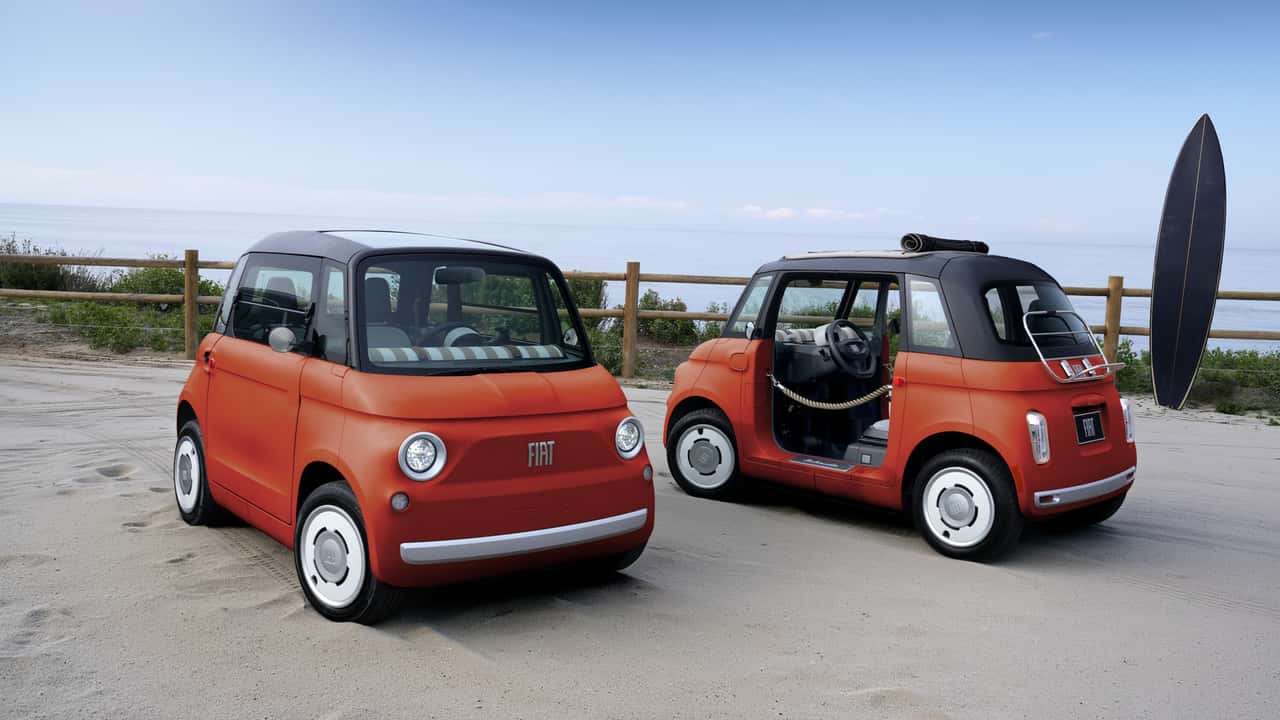
Finally, the market is becoming more global and less predictable. A Chinese online car marketplace has reportedly found a way to bring inexpensive used Chinese EVs to European buyers, potentially increasing competition for established brands. The Fiat Topolino is now street legal, adding a small and distinctive city vehicle to the growing range of electric transportation options. From tiny urban cars to commercial vans, electric pickups, premium sedans, and autonomous-driving systems, the latest developments show an industry gaining momentum while still working through the practical, financial, and technical challenges of becoming mainstream.