

The EV Market Is Entering Its Next Phase: Cheaper Cars, Smarter Systems, and Tougher Competition
The EV Market Is Entering Its Next Phase: Cheaper Cars, Smarter Systems, and Tougher Competition
The latest electric-vehicle news points to an industry moving beyond its early hype cycle and into a more complicated phase of growth. Demand has not disappeared after the end of major federal incentives, but the market is becoming more selective. Automakers are being forced to balance affordability, profitability, charging access, software development, manufacturing efficiency, and regulatory pressure—all while competing with rapidly improving Chinese brands and Tesla’s cost-focused strategy.
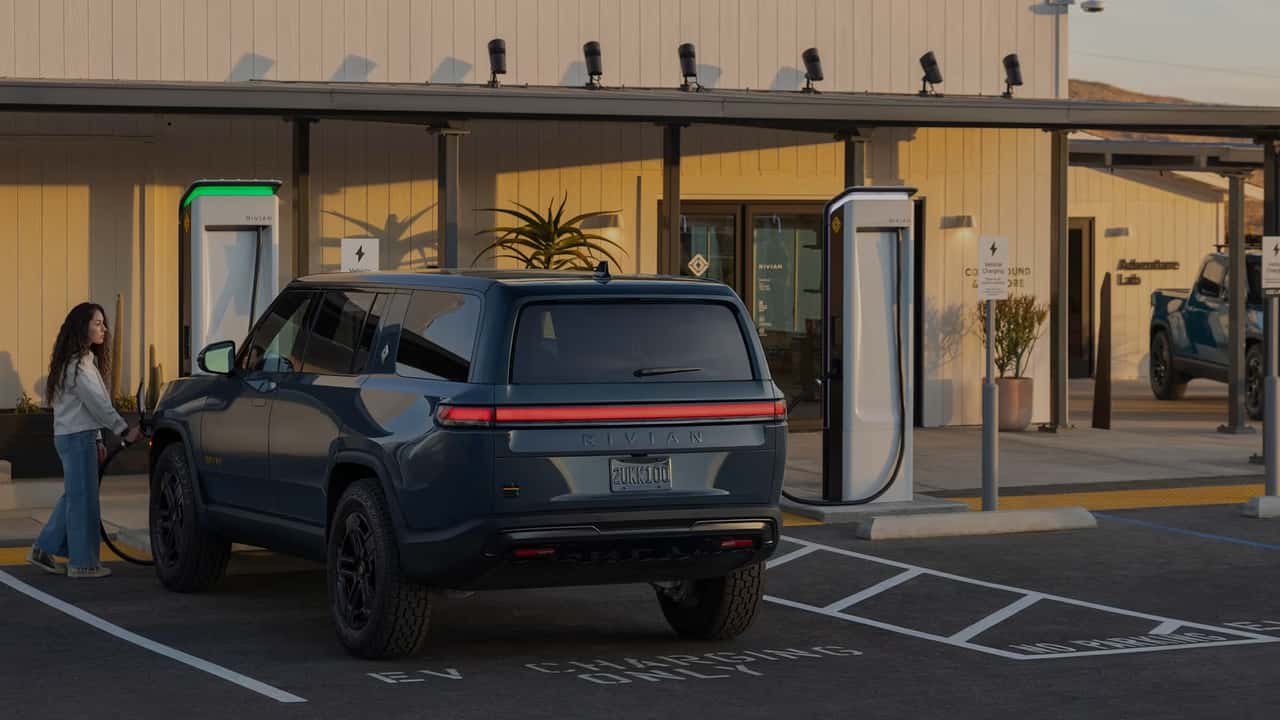
One of the clearest themes is that charging remains central to the EV experience. Some manufacturers are investing heavily in their own fast-charging networks even though their vehicles can access Tesla’s Supercharger system. That suggests compatibility alone may not be enough. Automakers still want control over charging reliability, customer experience, pricing, and geographic coverage. For drivers, broader access should make EV ownership easier, but the continuing investment in competing networks also shows that charging infrastructure remains a strategic battleground.
The technology inside the vehicle is changing just as quickly. Artificial intelligence is moving from a marketing feature to a more practical part of the ownership experience. New integrations are expected to handle tasks such as ordering coffee, coordinating vehicle service, and managing everyday interactions with the car. These features could make EVs feel more personalized and convenient, but they also raise questions about privacy, reliability, and whether drivers actually want their vehicles to automate more of their lives. The industry will need to demonstrate that AI features are useful rather than merely novel.
Autonomous driving is facing a similar reality check. Driverless taxis and advanced driver-assistance systems continue to make progress, particularly in challenging situations such as steep hills, tight gaps, and dense urban environments. At the same time, missed signs, driver takeovers, and unpredictable behavior remain reminders that the technology is not yet independent of human supervision. Robotaxi operators also have to solve a less glamorous problem: making their vehicles behave in ways that do not frustrate ordinary drivers. A vehicle that is technically safe but overly cautious, hesitant, or disruptive may struggle to win public acceptance.
Manufacturing efficiency is another major focus. New autonomous vehicles are being designed around simplified production methods, including reduced paint-shop requirements and more compact final-assembly footprints. These changes could lower factory costs and make it easier to scale production. Other automakers are planning to build driverless versions of familiar vehicles on the same assembly lines as conventional models, suggesting that autonomy may gradually become an option integrated into mainstream manufacturing rather than a separate experiment.
Affordability is perhaps the most important issue in the current market. Automakers are developing lower-cost EVs intended to compete with inexpensive vehicles from China and with Tesla’s highly efficient production methods. Pricing announcements are becoming more aggressive, with some new models starting below $30,000 before options. However, a low sticker price does not necessarily mean low ownership cost or strong value. Buyers will still compare range, charging speed, interior quality, insurance, service availability, and resale value. The challenge for manufacturers is to reduce costs without making affordable EVs feel stripped down.
Profitability remains difficult even as sales increase. Electric vehicles can be expensive to engineer and manufacture, while price competition limits the ability to recover those investments. Selling more vehicles may therefore increase losses if margins remain thin. This tension helps explain why some planned models are being delayed, paused, or reevaluated. Automakers are attempting to match production to realistic demand rather than flooding the market with vehicles that require heavy discounts.
The product mix is also broadening. Alongside conventional battery-electric cars, the industry is exploring range-extender hybrids and other electrified powertrains that deliver an electric-like driving experience without relying entirely on a large battery. New engines designed specifically for electrified systems promise improved efficiency, while hybrid comparisons show that consumers are still weighing familiar fuel-based technology against full electrification. This suggests the transition will not follow one path. Different regions, price segments, and customer groups may adopt different combinations of batteries, hybrid systems, and combustion engines.
Performance and utility remain powerful selling points. Electric delivery vans are gaining longer-range batteries and high-output all-wheel-drive versions, demonstrating that commercial and enthusiast vehicles can benefit from the same technology. Meanwhile, compact city EVs are opening the door to simple, inexpensive urban transportation in markets where small vehicles are especially useful. At the premium end, newer models show that an affordable trim can still provide a polished experience instead of feeling like a compromised entry point.
Overall, the EV market is not dead; it is maturing. The next winners will likely be the companies that can combine efficient manufacturing, dependable software, accessible charging, attractive pricing, and sustainable margins. The industry’s future will depend less on headline range or acceleration figures and more on whether electric vehicles are convenient, affordable, profitable, and easy to live with. The transition is continuing, but it is becoming a practical business contest rather than a simple race to electrify everything as quickly as possible.
Note: No image tags or image URLs were included in the supplied feed content, so a qualifying cover image URL could not be identified.