

EVs Enter a More Practical, Competitive, and Complicated Phase
The EV market moves beyond the hype cycle
The latest electric-vehicle news paints a picture of an industry entering a more practical and demanding phase. The early conversation around EVs focused heavily on range records, acceleration, futuristic designs, and the promise of replacing the combustion engine altogether. Now, the most important stories are increasingly about infrastructure, profitability, software, manufacturing, safety, and whether electric vehicles can fit naturally into everyday life.
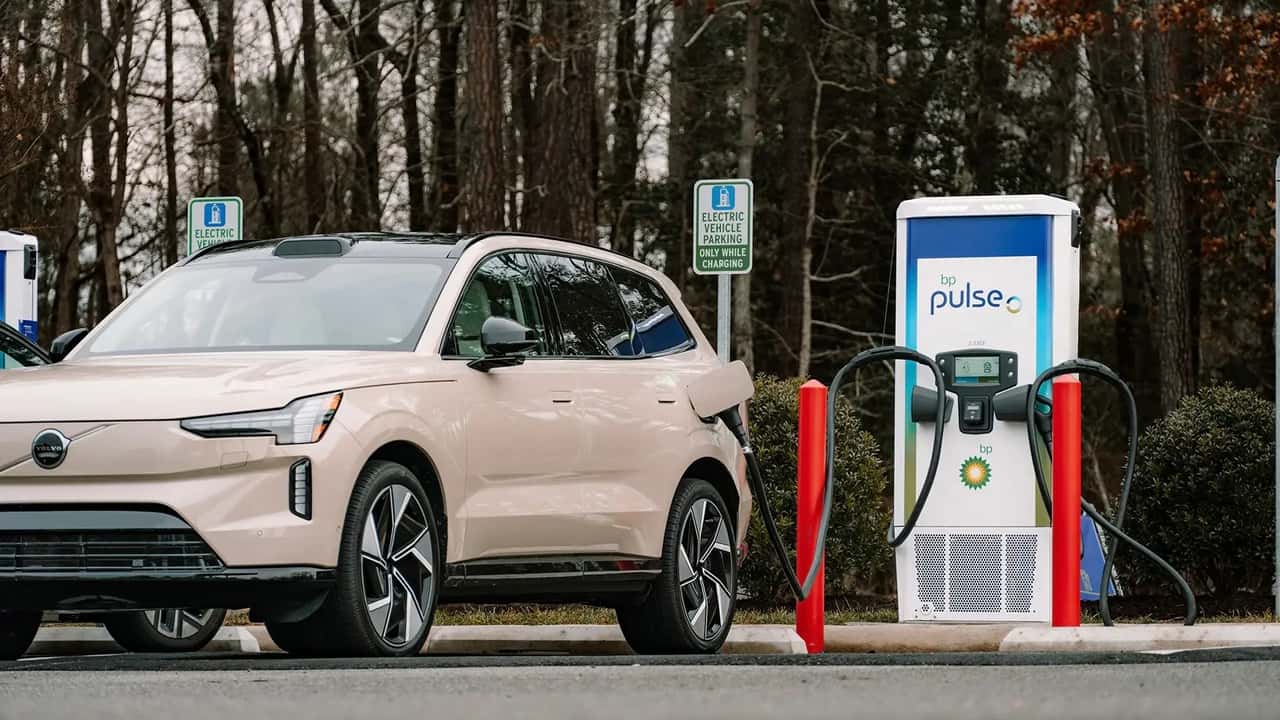
One clear theme is the continuing expansion of charging networks. An EV charging subsidiary owned by a major oil company has joined North America’s largest roaming network, giving drivers access to more stations through a single account or app. Although this may sound like a technical development, network roaming can remove one of the most persistent frustrations for EV owners: dealing with multiple memberships, payment systems, and incompatible platforms. At the same time, newer automakers are investing in their own fast-charging networks even when their vehicles can already use Tesla Superchargers. That approach suggests that companies still see charging access as a major part of the ownership experience and a potential competitive advantage.
The charging sector is also being reshaped by consolidation and retreat. One automaker reportedly sold its fast chargers to a local operator while leaving the European market, highlighting how difficult it can be to build and maintain charging infrastructure across different countries. The transition to electric mobility requires enormous capital, dependable utilization, and favorable regulation. In regions where demand has grown more slowly than expected, even established companies may decide that operating charging equipment is no longer worth the investment.
Demand and profitability are major concerns across the wider industry. Tariffs and weaker sales are putting Volvo under serious financial pressure, while the broader EV market continues to adjust after the end of federal incentives. The market is not collapsing, but it is becoming more selective. Buyers are comparing prices, charging convenience, financing costs, and real-world usability rather than simply choosing the newest electric model. Automakers are being forced to determine which vehicles can generate sustainable profits instead of relying on optimistic forecasts about future growth.
That shift is visible in the changing mix of products. High-performance EVs remain useful as demonstrations of what electric powertrains can achieve. One electric contender defeated gasoline-powered cars on a track and even persuaded a skeptical driver. Another vehicle with nearly 3,000 horsepower was destroyed in a crash, yet its passenger compartment protected the driver, underlining the safety advantages that can come from electric-vehicle packaging and strong structural design. These stories show that EVs are still capable of creating excitement, but they also reveal that performance alone is not enough to guarantee commercial success.
Practical comparisons are becoming just as important. The BMW iX3 is being tested against a gasoline-powered X3 to see which can travel farther on a single charge or tank. Such comparisons reflect the questions many buyers actually ask: How often will I need to stop, how long will each stop take, and how predictable is the journey? Range figures published by manufacturers matter, but real-world weather, speed, road conditions, and charging availability often matter more.
Software is another central battleground. Ford is considering whether vehicle owners should have the ability to disable some of the connected features built into modern cars, a debate that reflects growing concerns about complexity, data collection, and dependence on cloud services. Meanwhile, advanced driver-assistance systems are becoming more capable, with some platforms expected to manage turns, lane changes, urban traffic, and roundabouts while following a programmed route. Rivian is also preparing new artificial-intelligence integrations that could order coffee, schedule service, and automate routine vehicle-related tasks.
These developments promise convenience, but they also raise questions about reliability and control. A Tesla owner was reportedly charged $539 after pressing an activation button despite a warning, illustrating how easily software-based features can create unexpected costs. As vehicles become more like subscription-enabled computers, automakers will need to make pricing, permissions, and warnings much clearer.
Manufacturing is evolving as well. Rivian is installing 3D printers at its factory so employees can produce parts on demand, potentially reducing downtime and inventory requirements. Volkswagen plans to dismantle thousands of vehicles annually at its Zwickau facility, recovering reusable components for a factory-backed used-parts business. These efforts point toward a more circular approach to vehicle production, in which batteries, electronics, body components, and other materials remain valuable after a vehicle reaches the end of its first life.
The commercial-vehicle sector may prove especially important. Rivian’s electric delivery van is gaining momentum as the company receives major financial support from Amazon and competitors pull back. Fleet operators can benefit from predictable routes, lower energy costs, and reduced maintenance, making delivery vans a potentially easier segment to electrify than long-distance passenger vehicles.
Not every technology has advanced as expected. Hydrogen fuel-cell passenger cars were once promoted as a likely alternative to battery EVs, but limited infrastructure, high costs, and a lack of consumer demand have prevented widespread adoption. A Hyundai executive’s explanation for that failure reflects the industry’s broader lesson: promising technology cannot succeed without a complete ecosystem around it.
Even successful models are reaching transition points. The Polestar 2, the vehicle that helped establish the brand, has ended production after six years, although its influence continues. Smart’s new #2 Couture Edition reportedly sold out quickly, showing that distinctive design and limited availability can still create demand. At the same time, robotaxi companies must learn how to make autonomous vehicles behave less awkwardly around human drivers. Technical capability is only part of the challenge; public acceptance will depend on whether these vehicles are predictable, courteous, and unobtrusive.
Taken together, the news suggests that the EV industry is neither collapsing nor moving forward effortlessly. It is maturing. Companies are being judged on charging reliability, financial discipline, software quality, manufacturing efficiency, safety, and everyday convenience. The winners will likely be those that solve ordinary problems consistently rather than simply producing the fastest or most futuristic vehicle. Electric mobility is entering its next stage, where execution matters more than promises.