

The EV Industry’s Next Phase: Smarter Batteries, Fiercer Competition, and Tougher Realities
The EV Industry’s Next Phase: Smarter Batteries, Fiercer Competition, and Tougher Realities
The latest wave of electric-vehicle news paints a picture of an industry moving beyond its early period of simple disruption. Electric mobility is no longer defined only by battery range, acceleration, or the race to launch new models. The conversation is expanding to include battery reuse, charging access, autonomous driving, manufacturing flexibility, safety, profitability, and the very different expectations of consumers in various markets.
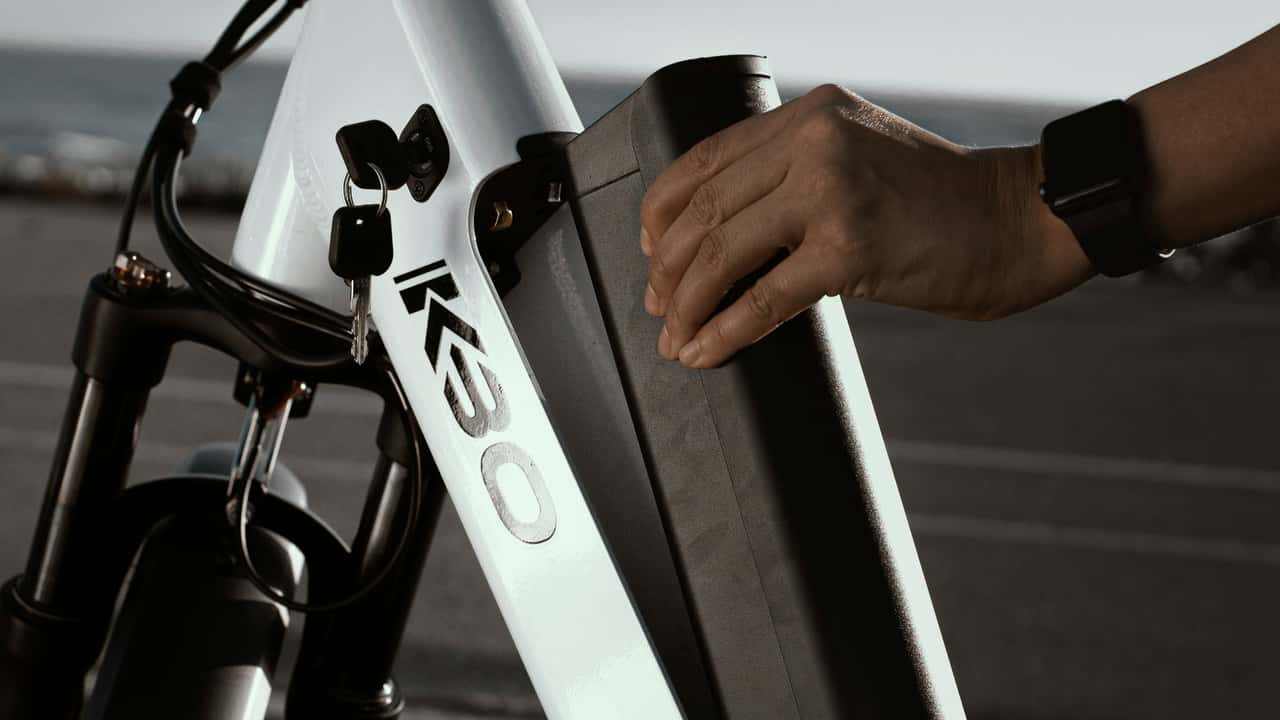
One of the most promising developments involves giving used e-bike and e-scooter batteries a second life. Instead of dismantling every pack and sorting its individual components, a new approach uses micro-converters to charge and discharge cells separately. This could make it easier to repurpose batteries that no longer perform well in their original vehicles but still contain useful capacity. The idea reflects a broader shift toward treating batteries as long-term energy assets rather than disposable components. If the technology can be deployed safely and economically, it may reduce waste while creating lower-cost energy-storage options.
Battery innovation is also appearing in high-performance and specialized vehicles. The Forefront Concept is described as fully silent, making it suitable for high-risk or difficult-to-access areas where low noise could be a practical advantage. At the opposite end of the spectrum, high-powered electric vehicles continue to demonstrate how quickly battery propulsion can deliver performance. One nearly 3,000-horsepower EV suffered extensive damage in a crash, yet its passenger compartment protected the driver. The incident highlights an important part of the EV story: extreme power attracts attention, but structural safety remains just as important as acceleration figures.
Electric cars are also being judged more directly against combustion vehicles. A comparison between the BMW iX3 and the gasoline-powered X3 examines how far each can travel on a full charge or tank, placing real-world usability at the center of the discussion. On a racetrack, electric contenders reportedly defeated gas-powered rivals and even impressed a driver who initially favored traditional engines. These comparisons show that EVs are increasingly being evaluated not as experimental alternatives, but as direct competitors across performance, convenience, and everyday practicality.
The market is nevertheless becoming more selective. One major brand failed to appear in the top ten of a ranking, while a purist-focused electric Ferrari generated criticism over its design before wealthy customers quickly bought up the entire 2027 allocation. That contrast captures the widening EV market: some buyers remain focused on value and practicality, while others are willing to pay extraordinary prices for exclusivity, heritage, and performance. A vehicle can be controversial among enthusiasts and still be commercially successful if it connects with its intended audience.
Sales data from South Korea also suggest that electrification is not following a single path. Hyundai’s hybrid share reached a record 29% in one month, while Kia’s affordable EV3 made a strong debut in the United States. Hybrids remain attractive to buyers who want improved efficiency without depending entirely on charging infrastructure, whereas smaller and more affordable EVs could help bring battery-powered transportation to a wider audience. The coexistence of hybrids and fully electric vehicles is likely to continue as automakers respond to different regulations, budgets, and driving habits.
Charging networks are evolving as well. An EV-charging subsidiary owned by an oil giant has joined North America’s largest roaming network, potentially making it easier for drivers to access chargers across different providers. Network compatibility is a critical piece of the ownership experience. Drivers do not want to manage numerous accounts, apps, and payment systems simply to complete a long trip. However, another automaker has reportedly sold its European fast chargers to a local company and exited that market. The move illustrates how difficult it can be to operate charging infrastructure profitably, even as demand for public charging continues to grow.
Automakers are also wrestling with the cost of complexity. Tariffs and weak demand are creating a serious profitability challenge for Volvo, while Ford is considering whether customers should have the option to make their vehicles less connected. Modern cars increasingly depend on software, cloud services, digital controls, and subscription features, but not every owner wants an always-online vehicle. The debate raises questions about privacy, reliability, repairability, and whether technology is improving the driving experience or simply adding more systems that can fail.
Driver-assistance technology remains a major area of development. One system is expected to manage turns, lane changes, city traffic, and roundabouts while following a programmed destination. Such capabilities move automated driving closer to ordinary roads, but they also increase the importance of clear limitations and driver responsibility. A separate report about a Tesla owner receiving a $539 charge after pressing an activation button underscores how easily advanced features and paid services can create confusion. As vehicles gain more software-based capabilities, manufacturers will need to communicate pricing and activation requirements with exceptional clarity.
Product launches are providing their own mix of optimism and difficulty. The Smart #2’s first Couture Edition sold out in every market where it was offered, suggesting strong interest in compact, design-led electric vehicles. A high-performance model impressed reviewer Rory Reid with 835 horsepower and clever features, although even a powerful EV can struggle with ordinary needs such as finding a convenient cheeseburger during a journey. That tension between spectacular performance and everyday usability remains central to the industry’s progress.
Manufacturing is becoming more flexible, too. The company behind the R2 is installing 3D printers at its Normal factory so workers can produce parts on demand. On-site additive manufacturing could reduce delays, limit inventory requirements, and help manufacturers respond more quickly to design changes. Meanwhile, the Polestar 2 has been retired after six years, closing one chapter for the model that helped establish the brand. Its influence, however, is likely to continue as the company and the wider market build on the lessons learned from early premium EVs.
Taken together, these developments show an EV industry entering a more mature and demanding phase. The biggest questions are no longer simply whether electric vehicles can be quick, quiet, or technically impressive. They are whether batteries can be reused, charging can be convenient, software can remain understandable, factories can stay efficient, and vehicles can earn the trust of ordinary buyers. The winners of the next stage will be the companies that connect innovation with practicality—and deliver electric transportation that works not only in headlines, but in everyday life.