

The EV Industry Moves Beyond the Hype: Smarter Batteries, Safer Cars and a More Complicated Road Ahead
The EV Industry Moves Beyond the Hype: Smarter Batteries, Safer Cars and a More Complicated Road Ahead
The latest electric-vehicle news offers a revealing snapshot of an industry entering a more mature, complicated phase. The headlines are no longer focused solely on record acceleration, maximum range, or ambitious launch promises. Instead, they reflect a broader transition involving battery reuse, charging infrastructure, advanced driver assistance, manufacturing flexibility, hybrid vehicles, hydrogen, and the financial pressures facing automakers.
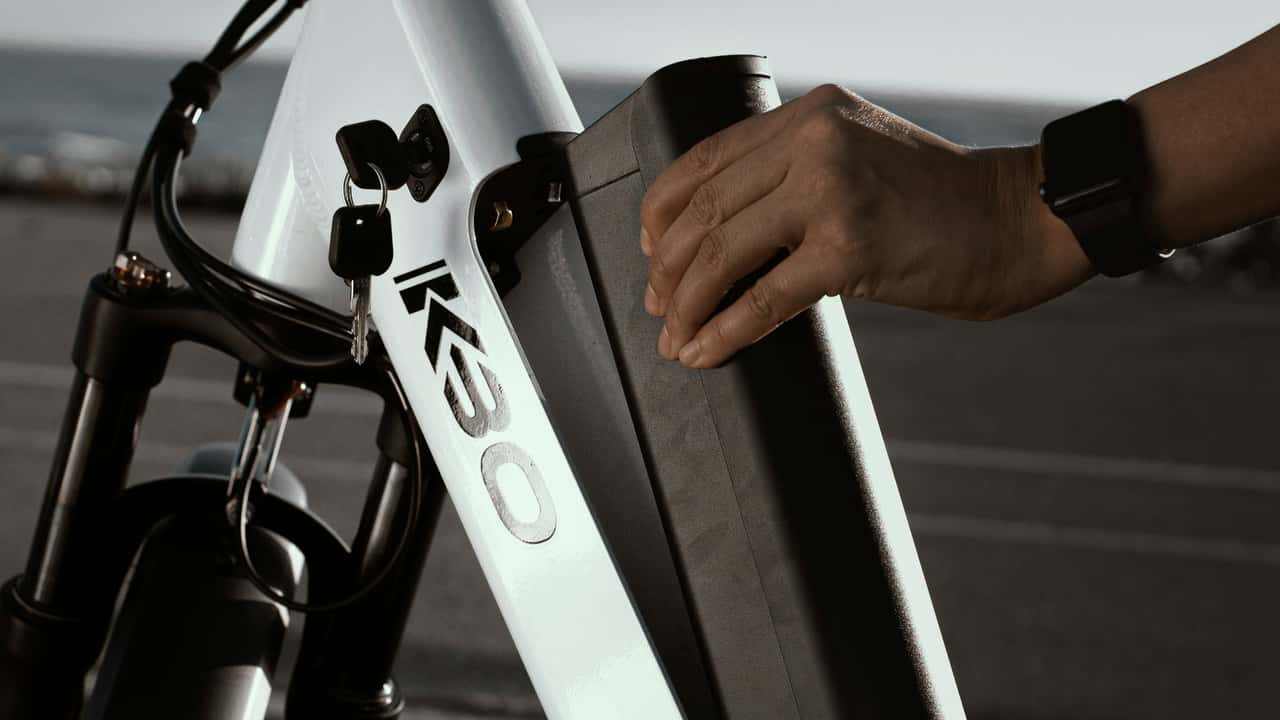
One of the most practical developments concerns old batteries from electric bicycles and scooters. Rather than dismantling entire battery packs, new micro-converter technology could allow individual cells to be charged or discharged separately. This approach may extend the useful life of batteries that would otherwise be discarded, while also reducing the cost and complexity of recycling. It points toward a wider shift in the EV sector: sustainability is increasingly about what happens to batteries after their first life, not just how efficiently they power a vehicle when new.
Battery technology is also becoming more intelligent and adaptable. The ability to manage individual cells could make energy storage systems more resilient, since a weak cell would not necessarily compromise an entire pack. If these systems can be deployed safely and economically, they could support second-life applications ranging from stationary storage to low-speed mobility. The challenge will be proving reliability at scale and ensuring that repurposed batteries are tested, tracked, and used in applications appropriate to their condition.
Vehicle capability remains a major theme, particularly in high-performance and luxury segments. An electric Ferrari reportedly sold out its entire 2027 allocation despite criticism from traditionalists who disliked its design at launch. That response suggests that buyer enthusiasm for premium EVs remains strong, even when enthusiasts debate whether an electric powertrain fits a storied performance brand. Elsewhere, an electric track contender defeated gasoline-powered rivals and even won over a skeptical driver. These stories reinforce the idea that instant torque, sophisticated software, and precise power management can make EVs competitive well beyond everyday transportation.
Safety is another important part of the conversation. A nearly 3,000-horsepower electric vehicle was left almost unrecognizable after a crash, yet its passenger cell protected the driver. While extreme examples should not be treated as universal proof of safety, they highlight the role of structural engineering, battery placement, and crash-energy management. As EVs become faster and heavier, safety systems must continue to evolve alongside performance.
At the more practical end of the market, comparisons between electric and gasoline vehicles remain relevant. The BMW iX3 is being tested against a gasoline-powered X3 to determine how far each can travel on one full charge or tank. Such comparisons are more useful to consumers than laboratory range figures alone because they expose differences in weather tolerance, driving style, refueling time, and real-world convenience. The question is increasingly not whether EVs can replace gasoline cars in principle, but which type of vehicle works best for a specific driver and journey.
The market is also showing that electrification does not mean every new vehicle will be fully electric. Hyundai’s hybrid sales reached a record share, while Kia’s affordable EV3 made a strong debut in the United States. Together, those developments illustrate the two-track strategy emerging across the industry. Hybrids can provide lower fuel consumption without requiring a complete change in driving habits, while compact EVs can bring electric ownership to a wider audience if pricing and charging access are competitive.
Charging infrastructure is undergoing consolidation. An EV charging subsidiary owned by an oil company has joined North America’s largest roaming network, potentially making it easier for drivers to use different charging providers through a single account or system. At the same time, another automaker quietly sold its European fast-charging network to a local operator and exited that market. These moves suggest that charging is becoming a specialized business. Building chargers is only one part of the challenge; keeping them available, maintaining payment systems, managing electricity costs, and attracting enough users are equally important.
The economics of electrification remain difficult. Tariffs and weak demand have placed Volvo under significant profitability pressure, demonstrating how exposed automakers are to trade policy and changing consumer sentiment. Expensive development programs, fluctuating battery costs, and uneven EV adoption are forcing manufacturers to reconsider production plans. A charging company leaving a region and a factory installing 3D printers for on-demand parts represent two different responses to the same pressure: reduce complexity, improve flexibility, and avoid tying up too much capital in uncertain forecasts.
Software and automation are creating their own debates. Ford is reportedly considering whether owners should be able to make their vehicles less connected, reflecting growing concerns about privacy, distraction, data collection, and dependence on digital systems. Meanwhile, another automated-driving system is being designed to manage turns, lane changes, urban traffic, and roundabouts while following a destination. The contrast is striking: automakers are simultaneously adding more software capability and acknowledging that some customers may want greater control over how connected their cars are.
Reliability and pricing remain central to the ownership experience. One Tesla owner reportedly received a $539 bill after pressing an activation button despite a warning, a story that highlights how easily software-enabled features can create confusion or unexpected costs. The Smart #2’s limited Couture Edition selling out quickly shows that scarcity and design can generate demand, but a successful special edition does not necessarily answer the broader question of affordable, high-volume EV adoption.
Hydrogen fuel-cell vehicles also remain part of the industry’s unresolved debate. Once promoted as a leading alternative to battery-electric cars, they have struggled to achieve widespread consumer acceptance. A Hyundai executive’s explanation for that slow progress reflects the practical barriers facing hydrogen, including limited refueling infrastructure, expensive fuel production, and the difficulty of building a competitive ecosystem around relatively few vehicles.
Finally, the retirement of the Polestar 2 after six years marks the end of an important chapter. The model helped establish the brand and remains significant even as the company moves toward newer products. Its legacy illustrates how quickly the EV market is changing: vehicles launched only a few years ago can already belong to an earlier generation of design, software, and business strategy.
Taken together, these stories portray an EV industry moving past simple optimism. Progress is visible in safer performance cars, reusable batteries, smarter manufacturing, more capable driver assistance, and expanding charging networks. Yet the sector is also confronting weak demand, high costs, infrastructure gaps, customer frustration, and uncertainty over the right balance between electric, hybrid, hydrogen, and gasoline power. The next stage of electrification will be determined less by bold promises than by affordability, dependability, flexibility, and the ability to make everyday ownership genuinely easier.