

The EV Market Accelerates: New Models, Smarter Charging, Colder-Weather Lessons, and a Busy Year Ahead
The EV Market Accelerates: New Models, Smarter Charging, Colder-Weather Lessons, and a Busy Year Ahead
The latest electric-vehicle news paints a picture of an industry moving quickly in several directions at once. Automakers are introducing smaller and more affordable models, expanding premium performance offerings, improving driver-assistance systems, and finding new ways to make charging more convenient. At the same time, consumers are still dealing with familiar challenges, including winter range loss, complicated road-trip planning, expensive home-charging equipment, and uncertainty over which vehicle features should require a subscription.
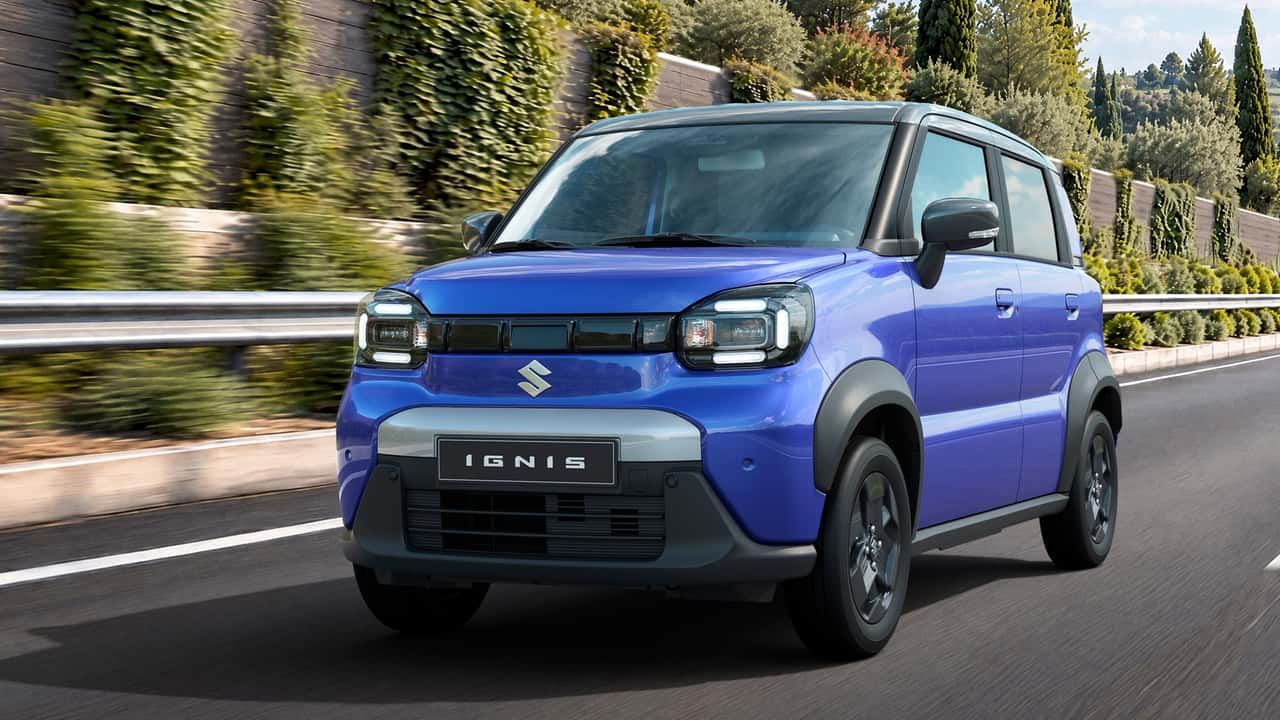
One of the clearest themes is the continued expansion of EVs into smaller, more practical segments. Suzuki’s new electric Ignis is described as being shorter than a two-door Mini Cooper S while still accommodating rear doors and four seats. That combination highlights how manufacturers are trying to make electric vehicles suitable for dense urban environments without giving up everyday usability. A compact footprint can make parking and maneuvering easier, while four-door practicality makes the vehicle more useful for families and passengers.
The same push toward broader appeal can be seen in the arrival of affordable, characterful electric cars. A small French EV has been praised for making a cheap and utilitarian formula look appealing rather than merely functional. These vehicles may not offer the longest range or the fastest acceleration, but their lower prices and simple dimensions could help bring electric driving to people who have been priced out of larger models.
At the opposite end of the market, electric performance cars are continuing to prove that electrification does not have to mean sacrificing excitement. The arrival of an electric Porsche Boxster offers an opportunity to evaluate how a famously lightweight, mid-engine sports-car concept translates to a battery-powered platform. The electric 3 Series is also being viewed as a strong technical effort, although its interior design and user experience may take more time for some drivers to appreciate. Together, these vehicles demonstrate that automakers are still experimenting with how electric powertrains should shape everything from sports cars to executive sedans.
Inside the cabin, the debate over touch screens and physical controls remains unresolved. Audi’s approach appears to be a compromise: retaining modern displays while also bringing back or preserving buttons where they make sense. The issue is more than a matter of personal taste. Touch screens can provide flexibility and reduce the number of physical components, but buttons and switches are often easier to use without taking one’s eyes off the road. The industry increasingly seems to be searching for a balance rather than treating either approach as the universal answer.
Driver assistance is another major area of development. An over-the-air update is expected to move BMW’s Highway & Commuting Assistant closer to the capabilities associated with Tesla’s Full Self-Driving system. These systems are still designed to require driver attention, but software updates can significantly change how a vehicle handles highways, traffic, lane changes, and commuting routes after the car has already been delivered. Meanwhile, an apparently empty Huawei-equipped EV was seen moving around a parking garage for hours overnight, raising questions about automated valet parking, testing procedures, and how clearly vehicles communicate what they are doing when no driver is visible.
Charging remains central to the ownership experience. A three-row electric crossover now includes a native NACS charging port, reflecting the broader transition toward a common North American connector standard. More vehicles using NACS should simplify access to fast-charging networks and reduce the need for adapters. However, charging costs can still complicate the financial case for an EV. Volkswagen drivers in Germany may earn as much as €720 during their first year through an incentive program, but the required home charger costs €1,995 before installation. Incentives can help, but the upfront expense illustrates why purchase price and charging infrastructure must be considered together.
Cold weather continues to expose differences between electric models. Every EV loses some range when temperatures fall toward freezing, but the severity of the reduction varies according to battery chemistry, thermal management, cabin-heating systems, aerodynamics, and driving conditions. A carefully planned test produced an impressive final range figure, though the scenario was not representative of how most people drive. That distinction is important: controlled demonstrations can show what a vehicle is capable of, while daily commuters must account for traffic, heating, weather, charging availability, and unpredictable detours.
The winter-driving challenge is especially relevant as more people prepare for crowded roads and busy charging stations. Holiday travel and regular commuting may require owners to plan charging stops earlier, avoid arriving at stations with very low battery levels, and allow extra time for queues or reduced charging speeds. The growing EV population means charging infrastructure will be tested not only by technology but also by demand management.
Electrification is also spreading beyond passenger cars. A charging-equipment manufacturer is working with Kässbohrer, the company behind the PistenBully snow groomer, to electrify ski resorts. Electric equipment could reduce local emissions and noise in mountain environments, while potentially lowering operating costs over time. This reflects a wider trend in which batteries are being applied to commercial vehicles, industrial machines, and specialized equipment rather than only family cars.
Manufacturing capacity is expanding, but demand and supply are not always perfectly aligned. BMW’s Debrecen plant is already operating around the clock for electric SUV production, with another model now joining the assembly line. In Spain, the factory producing the electric Volkswagen ID. Polo and Cupra Raval is building roughly 1,000 cars per day, yet that output is still considered insufficient. These developments point to increasing confidence in the market, even as automakers work to control costs and maintain reliable supply chains.
Battery production itself remains a demanding process. Before reaching a vehicle, batteries undergo severe testing designed to simulate accidents, extreme temperatures, abuse, and other dangerous conditions. These trials are essential for ensuring that high-energy battery packs can perform safely over many years. Safety testing may add time and expense, but it is a critical part of making EVs dependable at scale.
Finally, pricing and ownership rules are becoming important battlegrounds. Kia, Lucid, and Polestar are offering substantial seasonal discounts, suggesting that competition is intensifying and that some manufacturers are using incentives to stimulate demand. In New York, a new law may prevent automakers from charging a subscription for hardware that was already installed in a vehicle, strengthening the argument that buyers should not have to pay repeatedly for equipment they already own.
The broader story is one of rapid maturation. Electric vehicles are becoming smaller, sportier, smarter, and more varied, while charging networks and factories expand to support them. Yet the practical details—winter performance, upfront infrastructure costs, crowded chargers, software limitations, and subscription policies—still determine how easily EVs fit into everyday life. The next phase of the market will depend not only on headline range or acceleration, but on whether these vehicles can deliver convenience, affordability, and confidence in the real world.