

Volvo’s Long-Range XC60 PHEV Makes a Strong Case for Plug-In Hybrids—But EVs Still Have the Edge
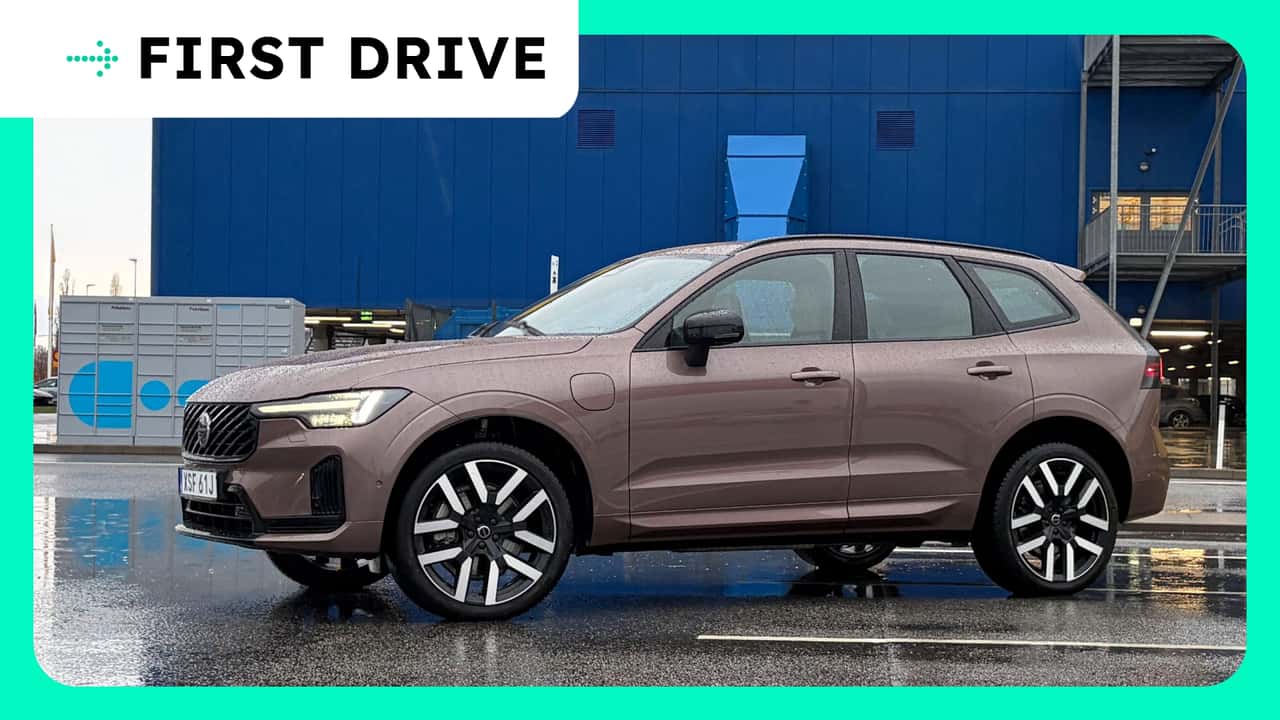
Plug-in hybrids have long been promoted as a compromise between conventional gasoline vehicles and fully electric cars. They can handle daily trips using electric power while retaining an internal-combustion engine for longer journeys. In practice, however, plug-in hybrids have remained a small part of the U.S. market. Their limited electric range, higher cost and added mechanical complexity have often made them less appealing than either a traditional hybrid or a battery-electric vehicle.
Volvo hopes to change that perception with a significantly upgraded version of its XC60 plug-in hybrid. The refreshed 2028 XC60 Long Range Plug-In Hybrid is expected to arrive at U.S. dealerships early next year, bringing a much larger battery, nearly 80 miles of estimated electric range and a more capable electric motor. The combination could make it one of the most useful plug-in hybrids available to American buyers.
The XC60 competes in a highly competitive segment against vehicles such as the BMW X3, Mercedes-Benz GLC and Audi Q5. That makes the model particularly important to Volvo, especially in the United States, where midsize luxury SUVs remain extremely popular. Along with updated styling, the latest XC60 receives a major overhaul to its plug-in hybrid system.
At the center of the upgrade is a 41.2-kilowatt-hour battery pack, of which 37.9 kWh is usable. The pack is now mounted in the floor, closer to the arrangement used by dedicated electric vehicles. The previous XC60 PHEV used an 18.8-kWh battery mounted in the vehicle’s center tunnel and offered only about 35 miles of electric range. Volvo estimates that the new model can travel approximately 78 miles without using gasoline.
That figure is unusually high for a conventional plug-in hybrid. It is also well above the daily driving distance of many Americans. Drivers who travel around 40 miles per day could complete most or all of their weekday commuting on electric power, provided they begin with a full charge. Volvo says roughly two-thirds of its U.S. customers drive less than 30 miles each day, suggesting that many XC60 owners could use gasoline only occasionally during their regular routines.
The larger battery powers a rear-mounted electric motor producing 174 horsepower. A turbocharged four-cylinder engine drives the front wheels and works with a mild-hybrid system. Combined output for the XC60 T8 AWD Long Range Plug-In Hybrid reaches 455 horsepower, with 247 hp coming from the gasoline engine and 208 hp supplied by the electric system. Volvo claims a 0-to-60-mph time of 4.5 seconds when both power sources are working together.
Charging is handled through a 7.2-kilowatt Level 2 AC connection. Volvo estimates that a full recharge takes about 5.7 hours, making overnight charging straightforward for owners with access to a home charger. The XC60 does not offer DC fast charging, unlike some competing plug-in hybrids. That omission is unlikely to be a serious problem for most owners, since the vehicle can switch to gasoline once its electric range is depleted. Stopping for a fast charge during a long trip may not make much sense when the combustion engine is already available.
The driving experience changes noticeably depending on the selected mode. Pure mode uses the rear electric motor by itself and allows the XC60 to operate without gasoline. Around town, the SUV is quiet, smooth and responsive at lower speeds. It can maintain highway speeds electrically, although acceleration is deliberately relaxed. Pressing the accelerator produces an initial burst of power, followed by a gradual climb to speed rather than the immediate thrust associated with a dedicated EV.
That behavior highlights one of the compromises of the plug-in hybrid layout. The XC60 can drive like an electric vehicle, but it does not deliver the same consistently strong acceleration. In Pure mode, the electric motor’s output is adequate rather than especially exciting. The vehicle’s efficiency is also modest compared with a full EV. Based on the usable battery capacity and estimated range, the XC60 achieves less than two miles per kilowatt-hour.
Drivers who want stronger performance can use several other settings. Hybrid mode automatically balances gasoline and electric power to prioritize efficiency while providing additional performance when needed. Power mode keeps the engine running and combines both systems for maximum output. In Pure mode, the engine can also engage if the accelerator is pressed beyond a defined threshold or if the driver demands more power.
The XC60 offers additional controls for tailoring the powertrain. Owners can choose whether the vehicle creeps forward when the brake is released, set Pure mode as the default startup setting, or use Hold mode to preserve the battery’s charge. A Charge setting allows the gasoline engine to replenish the battery while driving. Selecting B mode activates stronger regenerative braking and enables one-pedal driving, bringing the vehicle to a complete stop even when the engine is operating.
Beyond its powertrain, the XC60 remains focused on comfort. Its cabin uses leather seating and genuine wood trim, creating a more traditional luxury atmosphere than some newer, technology-heavy competitors. The ride is composed and comfortable, making the SUV well suited to commuting and longer trips. An 11.2-inch portrait-oriented central screen provides access to vehicle functions, while physical controls remain available for important functions such as volume and track selection.
The interface is not perfect. Adjustments for cabin temperature and fan speed do not have especially convenient one-touch controls, which can make routine climate changes more cumbersome. The digital instrument display is easy to read, however, and Volvo’s Google Built-in system provides integrated Google Maps navigation. Google’s Gemini assistant is also available for general questions, though its ability to control vehicle functions is limited.
The new XC60 PHEV could appeal to drivers who want electric commuting without giving up gasoline-powered road-trip flexibility. Its electric range is long enough to make the plug-in system genuinely useful rather than merely an occasional fuel-saving feature. It also offers a comfortable interior, all-wheel drive and strong combined performance.
Still, the case for choosing a plug-in hybrid is becoming less compelling as electric vehicles improve. Volvo’s upcoming EX60, for example, is expected to offer roughly 300 to 400 miles of electric range, substantially faster charging and the smoother, more immediate acceleration associated with a dedicated EV. The EX60 could also cost less than the XC60 PHEV, with the current XC60 plug-in hybrid starting at $67,595—nearly $8,000 above the announced starting price of the EX60.
For buyers who can charge at home and are comfortable spending in the luxury-SUV price range, a full EV may provide greater convenience and lower operating costs. It offers enough range for an entire day of driving, eliminates gasoline stops for most trips and avoids the complexity of maintaining two separate propulsion systems.
The XC60 Long Range Plug-In Hybrid is therefore best viewed as a highly capable transition vehicle rather than the final word in electrification. For shoppers who remain concerned about charging infrastructure or long-distance travel, its combination of nearly 80 electric miles and a gasoline backup is compelling. But for those ready to commit to battery power, Volvo’s next-generation electric SUVs may offer a more satisfying and future-focused solution.