
 Buy & Sell
 All EV Sales
 Explore
 Account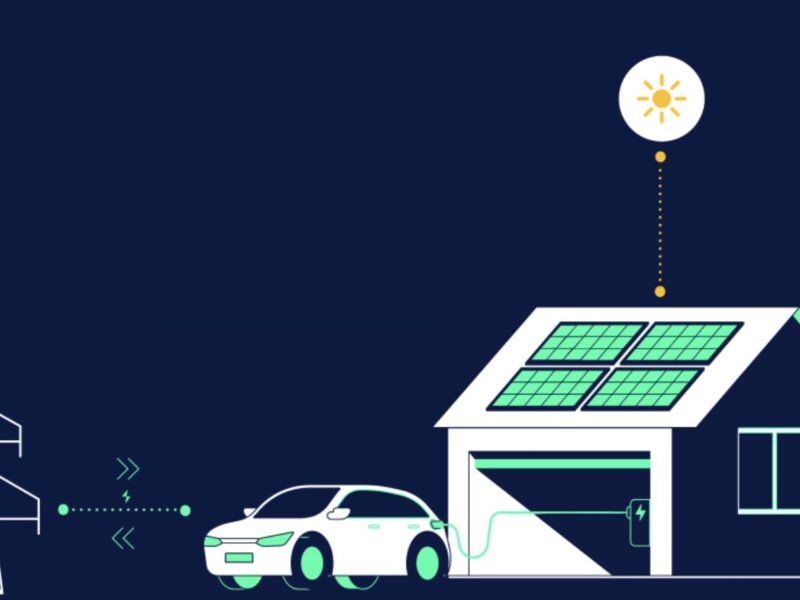
The electric vehicle (EV) landscape has entered another phase of rapid transformation, marked by fresh innovations, new collaborations, and expanding ecosystems that go well beyond the cars themselves. The latest developments across Australia and the region reveal how deep electrification is influencing industries from aviation to heavy transport, and even how household technologies are aligning with broader smart energy systems. Below is an overview of some of the most striking highlights from recent EV news.
Powering the Grid – Amber and BYD Take V2G to the Next Level
At the recent All Energy Conference in Melbourne, Amber CEO Chris Thompson provided insights into an ambitious trial in collaboration with Chinese automaker BYD. Their project explores the practical implementation of vehicle-to-grid (V2G) capabilities, which allow electric vehicles to store and return electricity to the grid. This development hints at a major shift in how EVs can be integrated into the energy ecosystem — functioning as mobile batteries that support renewable energy stability.
V2G technology has long been touted as the missing link in grid resilience strategies. The partnership between Amber and BYD could prove transformative for both homeowners and national energy networks. It also marks a symbolic step forward for Australia’s growing EV infrastructure — one that ties together tech innovation, energy management, and sustainability.
The Transparent Car – A World Without Metals or Minerals
Taking a leap into the conceptual, engineering group Sandvik presented what it called an EV made entirely without metals or minerals. The so-called transparent car serves as a cheeky yet thought-provoking commentary on material dependence in global industry. With electric vehicle production requiring significant quantities of finite resources like lithium, nickel, and cobalt, the exhibit underscores the urgency of sustainable sourcing and recycling. While it cannot drive, the idea behind it drives home a powerful message about the future of responsible manufacturing.
Hydrogen Takes Flight – A Milestone for Zero-Emission Aviation
In a landmark achievement for clean aviation, a group of companies from New Zealand and Australia accomplished the world’s first on-site liquid hydrogen refueling of an aircraft at an international airport. The hydrogen was produced, stored, and used entirely within the same facility, demonstrating how local energy ecosystems can redefine aviation’s carbon footprint. Though still in its early experimental phases, this milestone signifies what could eventually become a commercially viable zero-emission alternative to traditional jet fuels. It gives a tantalizing glimpse into a future where hydrogen might power regional and even long-haul flights without greenhouse emissions.
Trucks, Depots, and the Heavy Load of Electrification
The heavy transport sector — traditionally one of the most challenging to decarbonize — now has its own milestone. Australia has secured a site for what will become the nation’s largest charging depot for electric trucks. The announcement coincided with Windrose’s successful completion of the longest truck delivery run ever conducted in the country on a single charge. These two developments together represent an accelerating shift in freight transport, one that reduces not only emissions but operating costs, paving the road toward cleaner commercial logistics.
BYD’s Momentum Continues with a V2G Warranty Breakthrough
BYD continues to make waves, having now agreed to provide warranty coverage for batteries used in its V2G trials with Amber. Until recently, the absence of warranty protections was one of the biggest deterrents to vehicle-to-grid adoption. This commitment removes a key barrier, opening the door to widespread participation in distributed energy models. More than 4,000 customers have already joined the waiting list — an impressive indication of consumer enthusiasm for the idea of cars that earn energy credits while parked.
Honda’s Long-Awaited Small EV Lands in 2026
Honda has revealed plans to introduce a compact city EV in Australia, aptly titled the Super-One, slated for launch in 2026. This car will include an unusual feature — simulated gear-shift noises to replicate traditional driving sensations. The decision to add this element underscores a fascinating intersection between nostalgia and innovation: a conscious effort to ease drivers accustomed to internal combustion into the silent future of electric mobility.
The Circular Future – BMW Expands Battery Recycling
BMW is preparing to launch an EV battery recycling initiative in partnership with Victoria-based EcoBatt. The collaboration focuses on ensuring that end-of-life batteries from electric BMWs and Minis can be efficiently recovered and processed. EcoBatt’s facility, described as a world-leading shredding plant, demonstrates how critical it has become for manufacturers to close the loop on materials. This move places Australia among the leaders in EV recycling infrastructure.
Mini but Mighty – BYD’s 'Sea Otter' Targets Key Global Market
In an effort to expand its reach into compact car markets, particularly Japan’s urban-focused segment, BYD unveiled a tiny new electric model nicknamed the 'Sea Otter'. The diminutive EV — also called the Racco — highlights BYD’s strategy of balancing affordability with functionality while appealing to consumers in regions where small cars dominate. It also reflects BYD’s ambition to diversify its global foothold through both premium and budget-friendly EVs.
Anker and the Smart Energy Household
Tech brand Anker showcased its latest ecosystem of smart energy devices at All Energy Australia 2025, unveiling expanded storage solutions under its SOLIX line. The exhibit also emphasized how EV charging, home energy management, and domestic automation are coming together to form seamless, intelligent living systems. By integrating EV chargers, solar storage, and smart home controls, Anker demonstrates how households can act as both energy consumers and producers in a sustainable loop.
Two Wheels, One Vision – Fonz’s Electric Scooter Delight
Rounding out the innovations, Fonz introduced its new Z Series electric scooters, offering a modern twist for loyal Vespa enthusiasts. With stylish design and spirited performance, the scooter captures the joy of eco-friendly commuting. It’s another indicator that electrification isn’t confined to cars or trucks—it’s reshaping every form of personal mobility on Australian roads.
From small scooters to hydrogen aircraft, these stories together paint a picture of an energy revolution accelerating on multiple fronts. Electric mobility is no longer a niche; it’s a network. As energy systems, vehicle design, and renewable integration strategies continue to converge, the boundaries between transport and infrastructure blur. The result is a cleaner, more interconnected, and more dynamic world, powered by human ingenuity and sustained by electric motion.
All EV Sales Research Team
11/1/2025