
Australia’s Electric Future Accelerates: From Utes to Locomotives, the EV Momentum Builds
Australia’s Electric Future Accelerates: From Utes to Locomotives, the EV Momentum Builds
The Australian electric vehicle (EV) landscape is heating up, with a surge in innovation, infrastructure, and public engagement marking a turning point toward cleaner transport. Recent developments across the EV ecosystem reveal how the country is rapidly expanding its mobility options — from affordable electric utes to battery-electric locomotives and dynamic vehicle‑to‑grid technologies. Together, these milestones reflect a nation on the cusp of mass electrification.
EV Sales Continue to Rise as New Brands Enter the Market
The latest sales data for 2025 show that Australia’s adoption of electric vehicles is growing month by month. Not only are Tesla and BYD maintaining their dominant presence, but major global names like BMW and XPeng have entered the fray. With October’s data now included, the nation’s electric share continues its steady climb. Analysts suggest this acceleration stems from greater model variety, improved charging infrastructure, and increasing consumer familiarity with electric technology.
More importantly, a broader brand portfolio is emerging. The inclusion of new players like XPeng underscores Australia’s appeal as an emerging EV market. The combination of competitive pricing and government support is attracting manufacturers ready to capitalize on drivers transitioning away from internal combustion.
Celebration of Electric Innovation in Melbourne
Melbourne recently hosted a massive celebration of electric mobility during the Australian Electric Vehicle Association (AEVA) conference and the Everything Electric Show. For several days, technology innovators, automotive enthusiasts, and energy industry leaders converged to discuss the future of electric transport. The Driven’s coverage from the event highlighted a festival-like atmosphere — bustling with EV test drives, charging demonstrations, and technology showcases.
Among the centerpieces of the event was a video analysis summarizing the highlights: the enthusiasm of attendees, the diversity of EV models, and a shared sense of optimism that Australia’s transport landscape is changing faster than ever.
Tesla’s Big Melbourne First: Over 600 FSD Test Drives
Tesla, ever the headline-maker in the EV realm, achieved a global first in Melbourne by rolling out over 600 Full Self‑Driving (FSD) test drives across three days. The large‑scale test event gave hundreds of participants a chance to experience the company’s latest autonomous driving technology improvements firsthand. While FSD remains a supervised assistance system under current regulations, the event marked a significant milestone not only for Tesla but for the broader conversation about autonomy and AI on Australian roads.
Attendees reported the experience as both futuristic and reassuring, indicating that confidence in driver-assistance technology is growing among the public. Tesla’s demonstration also strengthened its image as a pioneer facilitating the transition to a more intelligent, software‑driven mobility era.
The Arrival of Australia’s First Affordable Electric Ute
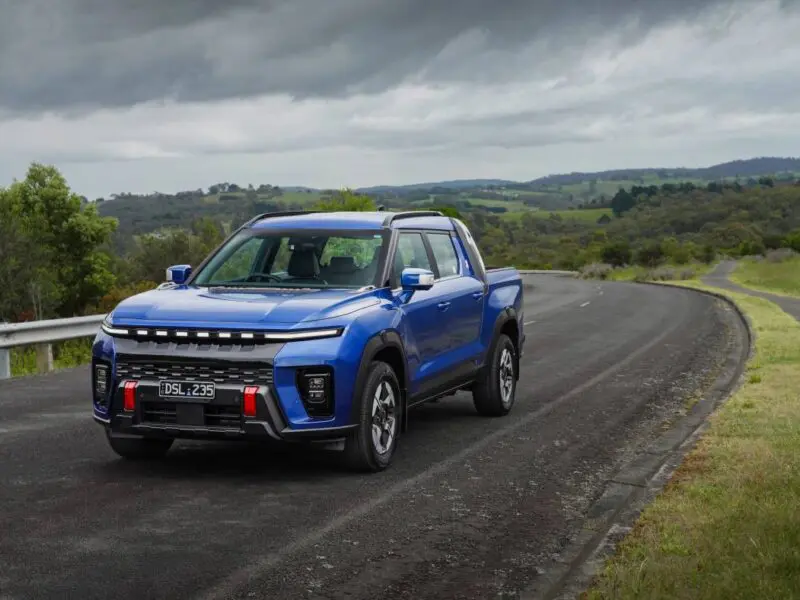
One of the most anticipated announcements of the season is the arrival of the country’s first fully electric ute priced around $60,000. The model, brought in by KGM, positions itself as a practical, accessible alternative for Australians traditionally attached to utility vehicles. For a market segment deeply associated with tradespeople, regional transport, and lifestyle buyers, an electric ute at this price point signals a fundamental shift.
The new model’s lower‑than‑expected pricing suggests that competitiveness between manufacturers is beginning to trickle down to consumers. The ute’s imminent arrival reinforces how electrification is broadening beyond sedans and SUVs into commercial and heavy‑duty categories — essential for Australia’s transition to a zero‑emissions transport network.
Electrifying the Mining Sector: BHP’s Battery Locomotives
In a striking example of heavy industry embracing the EV revolution, BHP has taken delivery of its first purpose‑built battery‑electric locomotives. They will be tested on iron‑ore routes connecting Pilbara mines to Port Hedland. The initiative showcases how electrification is no longer limited to passenger vehicles; it’s also transforming industrial logistics. Battery‑electric locomotives promise drastic emissions reductions and lower operating costs — both crucial in sectors traditionally dependent on diesel fuel.
With mining being a cornerstone of Australia’s economy, BHP’s move sends strong signals that clean‑energy adoption is becoming mainstream even in high‑demand, heavy‑transport environments.
Vehicle‑to‑Grid: Powering Homes and the Grid
A highlight at the Everything Electric show was the debut of Revcharge’s V2G system, which offers vehicle‑to‑grid (V2G) functionality without the lengthy waiting lists seen elsewhere. V2G technology enables electric vehicles to discharge stored energy back into the grid during peak times, effectively turning cars into portable batteries that can stabilize power networks. The practical demonstration of real‑time power sharing between homes and vehicles showcased a path toward smarter, distributed energy management.
This emphasis on bi‑directional charging aligns with global trends where EVs are becoming integral components of urban energy resilience. It’s not just about driving anymore — it’s about grid interconnection and renewable synergy.
Tesla Model Y Performance: A Showstopper Launch
Tesla also revealed its Model Y Performance to Australian audiences for the first time. The model boasts significant performance upgrades and serves as a testament to how electric vehicles can meet — and often exceed — the expectations of sports car enthusiasts. Its introduction at Everything Electric was a crowd‑pleaser, signaling that the demand for performance EVs is robust and growing.
Charging Networks and Infrastructure Challenges
Infrastructure remains a recurrent theme in EV discourse, and recent news about AGL’s kerbside chargers joining the Chargefox network underscores the complexity of coordination across platforms. Despite improvements, the landscape still suffers from fragmentation — multiple apps, differing payment systems, and inconsistent roaming agreements. Experts argue this patchwork delays adoption and confuses potential new EV owners, signaling a need for national standardization.
Combating Misinformation and Selling the EV Vision
As the momentum builds, the industry also faces a communication battle. Persistent misinformation and disinformation around EVs continue to distort public understanding of cost, safety, and practicality. Commentators are calling for a unified effort to ‘sell the idea’ of electric motoring — not merely the vehicles themselves. The challenge is ensuring every Australian understands that EV ownership is attainable, safe, and beneficial.
Global Lessons in Grid Integration
Lastly, lessons from abroad demonstrate Australia’s potential path forward. A shared vehicle‑to‑grid project in Utrecht has revealed measurable benefits in easing evening grid congestion by coordinating around fifty EVs to discharge collectively. Such results highlight how strategic grid‑integrated EV fleets could balance renewable fluctuations and reduce strain on electricity demand peaks.
From retail sales charts to industrial scale deployments, Australia’s electric vehicle transition is accelerating rapidly. The convergence of new models, network innovations, and clean‑energy integration points toward an electrified horizon — one where the ute, the train, and even the family hatchback are all part of a connected, low‑carbon ecosystem. The pace of progress in recent weeks suggests that 2025 might be remembered as the year Australian EV adoption truly took off.