
 Buy & Sell
 All EV Sales
 Explore
 Account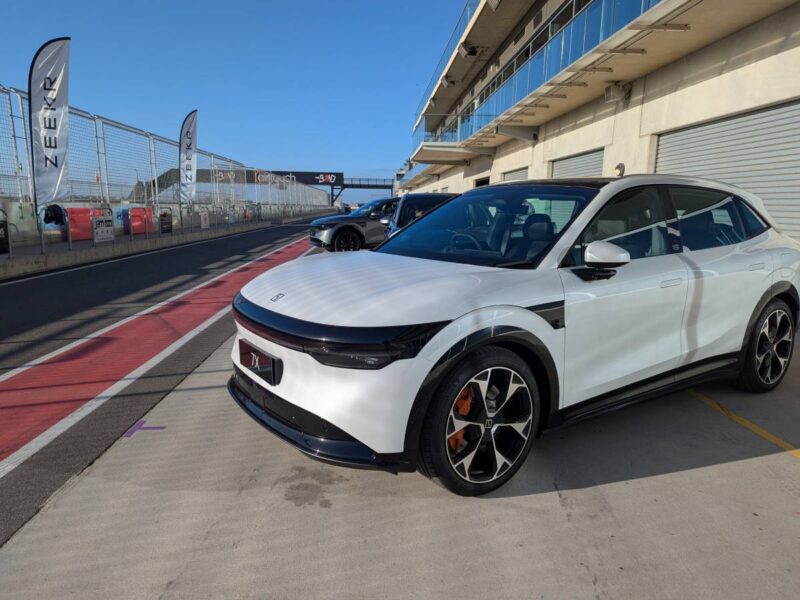
The latest wave of electric vehicle (EV) developments paints a vivid and complex picture of an industry in rapid transition. From new model reviews to infrastructure expansion, from tightening and loosening regulations to shifting consumer trends, the landscape of sustainable mobility continues to evolve at living speed. The following overview captures the most significant highlights from across the ecosystem, revealing both the progress made and the persistent challenges ahead.
Design and Performance: The Case of the Deepal S07
The Deepal S07 has been turning heads across showrooms with its sleek aesthetics and competitive pricing, starting below $50,000. But as reviews indicate, good looks and reasonable prices are not the whole story. Enthusiasm about its outward design has been tempered by ongoing concerns regarding how well Deepal has resolved its early-stage issues. These include both refinement and reliability concerns, making it a compelling example of how new entrants into the EV segment face the dual challenge of visual appeal and functional credibility.
Sustainability Under Scrutiny: The Biofuels Debate
In Europe, biofuels are once again in the spotlight, sparking both policy and ethical debates. An investigative report has revealed that the European oil lobby’s push for certain biofuel classifications could lead to a startling outcome: a vehicle running on animal fat-based fuel could require the equivalent of 120 pigs per year to operate. This example points to the loopholes within the regulatory frameworks that seek to classify bio-derived fuels as “sustainable.” Critics argue that such approaches undermine the ethos of decarbonization by introducing unintended environmental and moral costs. As the EU attempts to balance technological neutrality with real sustainability, the boundaries of what counts as “green” energy remain contested.
Charging Infrastructure Expands: EVX Joins the Chargefox Platform
On the infrastructure front, access to charging continues to be one of the defining factors of EV adoption. EVX, an Australian kerbside charging startup, announced the integration of its network into the Chargefox platform. This partnership means hundreds of new urban chargers will be visible and accessible through the Chargefox app, a major win for drivers who lack off-street parking. Expanding charging visibility and interoperability is vital for greater EV uptake, particularly in dense residential areas. This trend also reflects a broader shift toward open ecosystems where platforms and networks collaborate rather than compete in isolation.
Range Reality Check: Tesla, Kia, and MG Fall Short in Real-World Testing
The ideal versus the actual performance of EVs remains a recurrent theme. Recent real-world range testing in Australia revealed a concerning outcome for some major brands. Vehicles like the Tesla Model Y, Kia EV3, and a few others underperformed compared to their official range figures. Although this discrepancy is not new — as real-world conditions often differ significantly from standardized test environments — it reinforces the need for more transparent range testing metrics. Consumers need reliable, contextually accurate data to make informed decisions, especially as EVs increasingly become mainstream family cars.
Standards in Question: NACS vs CCS2
The so-called “charger plug war” has also reached a critical juncture. A feature comparing NACS (North American Charging Standard) and CCS2 (Combined Charging System) explores whether Australia will eventually adopt the former following its rapid global proliferation. According to industry observers, the short answer remains no — not in the foreseeable future. Despite NACS gaining traction in North America through major automaker alignments, Australia’s infrastructure and standards are deeply integrated with CCS2. That said, technological convergence and adapter solutions may ultimately harmonize the user experience, even if formal standard alignment does not occur.
Hyundai Ioniq 5: Refinement and Consolidation
In another example of evolutionary maturity within established models, Hyundai has refreshed its Ioniq 5 lineup. The company announced it will remove the smaller battery option and the somewhat controversial digital side mirrors, focusing instead on a simplified lineup with improved range and usability. This strategic pruning reflects an industry now moving past experimentation to seek economies of scale and usability consistency — outcomes that will likely resonate with mainstream buyers seeking straightforward, dependable EVs.
Market Recovery: EV Sales Surge in November
The November 2025 sales figures brought encouraging news for manufacturers and advocates. After a dip in previous months, EV sales in Australia rebounded strongly, with Tesla reclaiming the top spot. New models like the Zeekr 7X and BYD Atto 2 made notable debuts, pushing the former into the month’s top three sellers. These results, combined with recent data from the Federal Chamber of Automotive Industries (FCAI) and the Electric Vehicle Council (EVC), confirm that the Australian EV market continues to grow consistently, even in the face of policy uncertainty.
Global Trends: Norway Hits 97.6 Percent EV Share
On the global stage, Norway remains the preeminent showcase of what full-scale EV transition can look like. In November, the country achieved a staggering 97.6% EV share of all new car sales. Tesla continues to dominate there — a testament to Norway’s policy-driven success in advancing electrification through incentives, taxation structure, and charging infrastructure. The Norwegian case sets a powerful precedent for what coordinated policy, consumer behavior, and corporate strategy can achieve when aligned.
Regulation Revisited: EU Softens Its 2035 ICE Ban
Meanwhile, in Brussels, political winds are shifting. The European Union recently hinted at modifications to its planned 2035 ban on new internal combustion engine (ICE) vehicles. Pressures from German automakers and parts suppliers have prompted talk of exemptions for hybrids and biofuel-compatible engines. Officials have invoked the phrase “open to all technologies,” signaling that the transition may be broader and slower than previously envisioned. This nuanced shift underscores one of the most delicate policy balances of our time: maintaining climate commitments while acknowledging industrial realities.
From Australia’s kerbside chargers to the EU’s legislative corridors, and from Norway’s dominance to emerging Chinese brands, the EV movement continues to gain both traction and texture. Each headline points toward an industry learning in real time — innovating, correcting, and expanding to meet the intertwined challenges of sustainability, scale, and consumer expectation. The future of mobility is not only electric but also dynamic, contested, and profoundly transformational.
All EV Sales Research Team
12/4/2025