
Electric Momentum: Tesla Expands, BYD Rises, and New EV Tech Powers Forward
The Electric Vehicle Industry Accelerates into 2026
The latest wave of electric vehicle (EV) news highlights a sector moving at breakneck speed. From Tesla’s continued market expansion to major breakthroughs by Chinese automakers and energy technology innovators, the electric transition is growing deeper across passenger, heavy-duty, and infrastructure segments. These developments point to an industry that is not only innovating rapidly but also diversifying in ways that could define transport in the next decade.
Tesla’s Dual Momentum: Heavy-Duty and Affordable Segments
Tesla continues to blaze new paths on two ends of the spectrum — from high-capacity freight vehicles to consumer-friendly models.
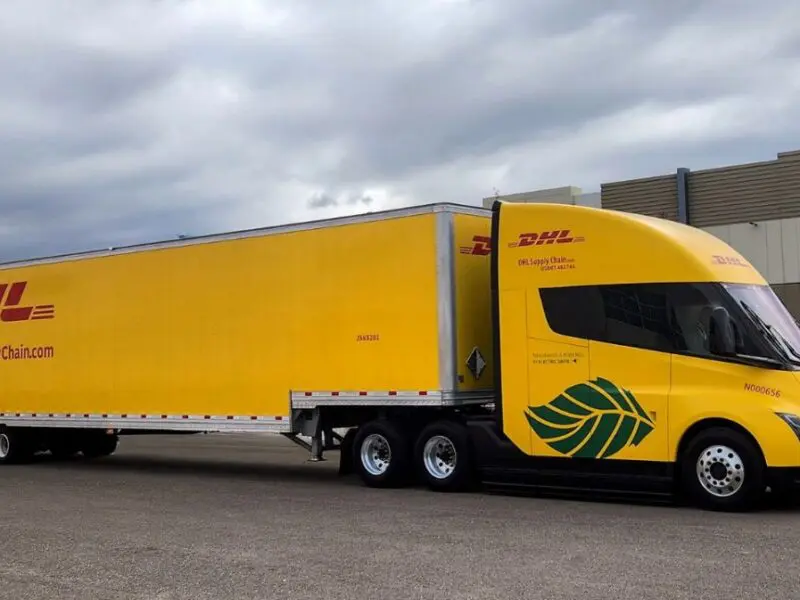
The delivery of the first Tesla Semi to a major logistics operator marks a significant milestone in the electrification of freight transport. Trial results showing energy consumption of about 1 kWh per kilometre make the vehicle a strong contender against diesel trucks in both performance and efficiency. The delivery signals that electric long-haul transport is no longer experimental; global logistics giants now see it as an operational reality. The company involved has already indicated it plans to scale up its Semi fleet after the trials exceeded expectations.
On the consumer front, Tesla is widening accessibility to EV ownership with a lower-priced Model Y variant launched in the United Kingdom. This right-hand-drive version is expected to broaden Tesla’s global footprint. Industry observers note that this move could pave the way for a similar release in other markets such as Australia, where EV adoption policies and consumer demand are both gaining traction. Launching an affordable variant strengthens Tesla’s strategy to retain leadership in volume markets as competition intensifies from Chinese and European brands.
BYD’s Expanding Footprint and the Arrival of Denza D9
Chinese automaker BYD continues its impressive run, especially in markets outside China. Its luxury subsidiary Denza has received approval for the D9 electric people mover in Australia. This marks another strategic expansion by BYD, introducing premium electric mobility to a new customer base. The Denza D9’s arrival hints that the manufacturer plans to bring more of its high-end range to export markets, complementing the surge of more accessible BYD passenger EVs that are already gaining ground globally.
The success of BYD isn’t limited to its product lineup. Market data shows that EV sales in Australia have climbed by 10% in 2025, largely due to the strong performance of BYD, Kia, and newer Chinese brands entering the market. Notably, this growth occurred even as Tesla deliveries dipped compared to earlier years, underscoring the diversification of consumer choices and the growing credibility of newer EV players.
European Developments: Renault and Biofuel Loopholes
Across Europe, Renault’s R5 E-Tech has achieved remarkable success, reaching the top of the light and small EV segments. Despite its popularity, Renault has confirmed that the model will not yet reach Australian shores. The decision reflects ongoing differences in EV market maturity and regulations between Europe and the Asia-Pacific region.
Meanwhile, a separate European development raises environmental and ethical concerns. A new biofuels regulation, advocated by segments of the oil industry, could result in vehicles running partially on animal fats — an amount equating to the by-products of around 120 pigs per car per year, according to expert estimates. Analysts warn that such loopholes threaten to undermine sustainability claims, emphasizing the need to stay focused on genuine electrification rather than pseudo-green alternatives.
Local Innovation and Infrastructure
On the home front, innovation in Australia is thriving beyond passenger cars.
Engineering students are preparing to compete with open-wheeler electric racing cars, showcasing the creativity driving the next generation of automotive engineers. The four-day event will feature student-built vehicles that demonstrate increasingly sophisticated energy management and design systems. These future engineers are not just racing; they’re redefining how lightweight performance EVs might evolve.
Simultaneously, Australia’s EV charging network continues to expand rapidly. EVX, a kerbside charging provider, has integrated hundreds of its chargers into Chargefox, one of the country’s leading charging platforms. This integration extends access for drivers who lack off-street parking — a long-standing challenge for urban residents considering an EV. As kerbside charging becomes part of mainstream infrastructure, cities are likely to see higher adoption rates and reduced reliance on home garages for daily charging.
Storage and Home Energy: A Slim Solution
In the realm of home energy, new battery technologies are reshaping how EV owners manage their power. The Anker SOLIX X1, a sleek wall-mounted battery system, is emerging as a favorite for tightly spaced city garages. Its ultra-thin design makes it compatible with solar integration and home EV charging setups, enabling users to store excess energy and charge their cars more economically. The shift toward compact, modular battery systems demonstrates how home energy storage has matured from a luxury into a practical necessity for EV owners.
Looking Ahead
Taken together, these developments highlight a transformation that extends well beyond vehicles themselves. The EV landscape now includes advancements in logistics, energy storage, infrastructure integration, and educational innovation. The Tesla Semi points to the electrification of global freight, while affordable Tesla and BYD models bring green mobility to the consumer mainstream. Battery advances and smarter charging networks make EV adoption easier than ever.
The pace of change shows no signs of slowing. 2026 promises to bring even more competition, more local production initiatives, and a wider spectrum of electric mobility options — from performance racers to family vans and heavy haulers. The electric era is not approaching; it is firmly here, reshaping how the world drives, charges, and powers the journey ahead.