
Electric Revolution Accelerates: From Recycled Batteries to Robotaxis, EV Momentum Surges Across Australia
Australia’s transition toward clean mobility and renewable energy has accelerated in remarkable ways, as a wave of new developments in electric vehicles (EVs), heavy transport, and maritime electrification paint a vivid picture of a nation embracing a low-carbon future. The latest updates — ranging from Nissan’s innovative reuse of EV batteries in industrial energy storage to Tesla’s quiet unveiling of its Robotaxi app — show an ecosystem maturing rapidly and diversifying across sectors.
Circular Thinking: Nissan’s Recycled Battery Breakthrough
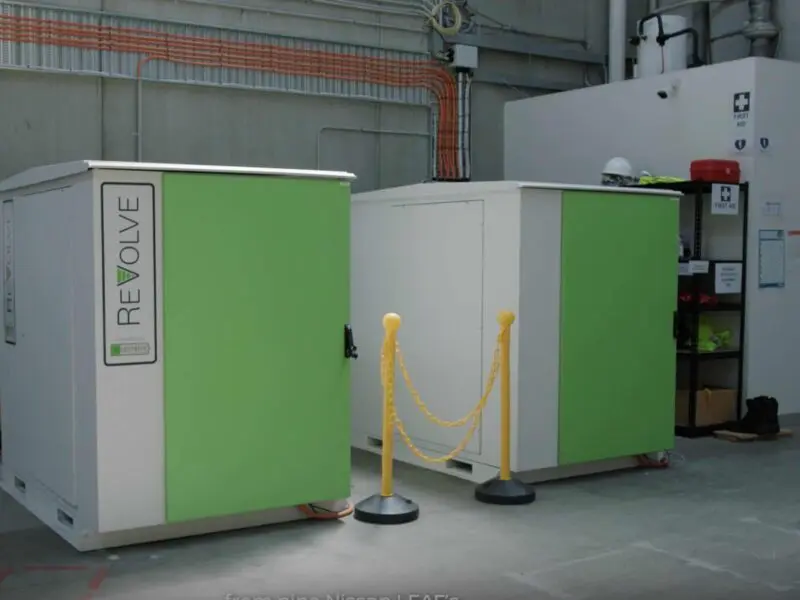
At the forefront of sustainable manufacturing, Nissan has turned its early electric vehicle experience into a closed-loop advantage. The company is repurposing batteries from retired Leaf EVs into stationary energy storage systems at its casting factory in Victoria. By storing solar energy on-site, the facility not only reduces grid dependence but also cuts its operational emissions. This innovation exemplifies how end-of-life EV batteries can live on as key enablers in renewable energy infrastructure, creating new value from old resources while easing pressure on raw material supply chains.
Electrification Goes Mainstream: Australia’s Unstoppable Renewable Shift
As adoption rates surge globally, Australia’s electric transformation is no longer speculative. Industry analysts continue to note that data points toward an irreversible trend — EVs are being adopted regardless of fluctuating political rhetoric or media skepticism. In a revealing conversation featured in industry media, energy transition experts discuss how Australia is rapidly aligning with the global clean transport revolution, with lower battery costs, strong consumer demand, and fast-growing renewable generation underpinning this momentum. The result is a convergence of clean energy and mobility that is reshaping Australia’s industrial identity.
Carbon Reality Check: The Challenge of Bigger Cars
However, not all metrics tell a purely optimistic story. Despite impressive growth in EVs, Australia’s overall passenger vehicle emissions remain stubbornly high — even higher on average than in the United States and significantly above European levels. The culprit: Australians’ enduring appetite for large SUVs and utes. These vehicles, while lucrative for manufacturers, perpetuate higher per-capita emissions intensity. The data underscores an urgent need for stronger fuel efficiency and carbon intensity regulations — policies that could both guide automakers toward greener fleets and accelerate the shift to electrics.
Heavy Industry Learns to Charge: Electric Haul Trucks in the Pilbara
In Western Australia’s mining heartland, the electrification revolution is now rumbling across the iron ore pits. Industry giants have begun trialing “early learner” battery-electric haul trucks in partnership with Caterpillar. The initiative signals a major step in decarbonizing one of Australia’s highest-emitting industries. While executives caution that it will “take time” to perfect performance and charging logistics for these behemoths, the first deliveries mark a major step toward zero-emission mining — a sector long viewed as untouchable by electrification due to its energy demands.
Clean Seas Ahead: Electric Ferries Expand Down Under
Electrification is also rapidly expanding beyond roads. Australia’s largest shipbuilder has just received its third order for a large battery-electric ferry from Denmark — part of what it describes as the world’s largest maritime electrification project. The order underscores Australia’s emerging role in supplying green maritime technology globally, showcasing domestic innovation exported to markets leading in ocean sustainability.
Affordability Gains: BYD’s Expanding EV Lineup
China’s EV powerhouse BYD continues to exert downward pressure on global pricing. A new affordable electric sedan, expected to be priced around $35,000 AUD, is slated for launch soon. Positioned above the company’s popular Seal model, this new entrant could further broaden access to EVs in Australia’s mainstream segment. Meanwhile, BYD’s premium sub-brand, Denza, achieved official approval to sell its D9 electric people mover in Australia, marking the brand’s next major milestone. The Denza D9, aimed at families and executive transport buyers, strengthens competition in the upper-tier EV space and signals that more luxury electric options are on the way.
Tesla’s Multi-Front Expansion: From Robotaxis to More Affordable Models
Tesla continues to surprise and provoke discussion. A recent quiet rollout of its Robotaxi app in Australia — available via one of its local store networks — has stirred speculation about the company’s next moves in autonomous mobility. The launch hints at Tesla’s plans to integrate Australia into its global driverless vehicle network, positioning the country as a potential early testing ground for autonomous ride-sharing. At the same time, Tesla continues expanding accessibility to its lineup with a newly introduced lower-priced Model Y variant in the UK. Analysts and consumers alike anticipate similar offerings in Australia soon, suggesting a strategic alignment across right-hand drive markets.
The Heavy Hitters: Tesla Semi Delivers
On the industrial transport side, Tesla also made headlines as one global logistics giant received its first Tesla Semi delivery. With performance figures suggesting an impressive consumption rate of around 1 kWh per kilometer, the vehicle demonstrated compelling operational efficiency during initial trials. Encouraged by the results, the company plans to expand its fleet, potentially marking the start of a full-scale EV transformation in freight logistics.
Australia’s Role in the Global Electric Future
Together, these developments showcase a nation deeply engaged in shaping the next era of electric mobility and renewable infrastructure. From legacy automakers rethinking battery life cycles to industrial giants exploring electrified freight, the pace of innovation has moved beyond headlines into real-world implementation. The Australian market — long characterized by its dependence on fossil fuels and love for large cars — is evolving into a proving ground for electrification across multiple sectors.
The journey ahead will undoubtedly involve growing pains: infrastructure expansion, regulatory hurdles, and consumer education remain key challenges. Yet, the cumulative picture emerging from the latest EV news is that momentum has reached critical mass. Electric vehicles, ships, and even mining trucks are no longer experimental side projects — they are now central to industrial modernization. And as the cost curves continue to fall and renewable energy strengthens its foothold, Australia is positioning itself not as a laggard, but as a dynamic participant in the global clean energy movement.