
Australia Accelerates Toward an Electric Future: Big Moves in EV Infrastructure, Vehicles, and Policy
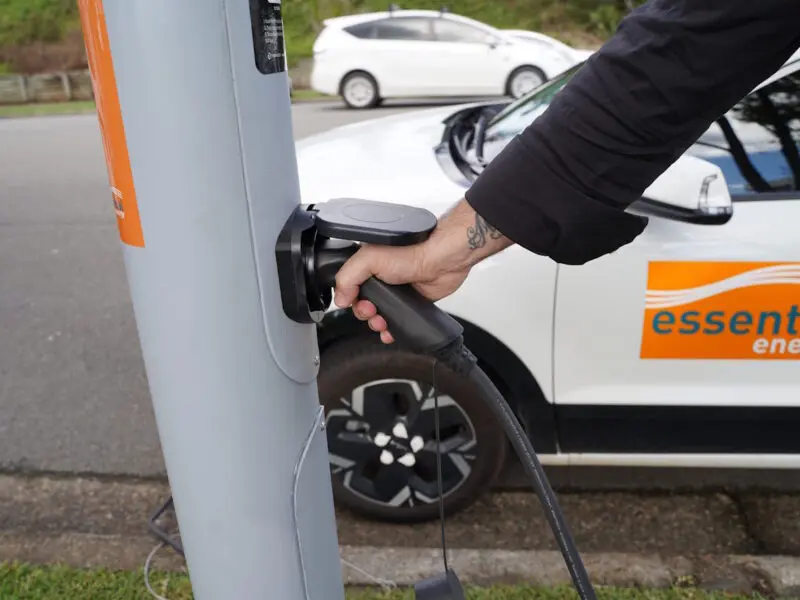
The transition to electric mobility is gathering momentum across Australia and abroad, as several key developments this week show. From government funding for ultra-fast and kerbside chargers to corporate commitments in sustainable logistics, and from new electric vehicle launches to the electrification of sea transport, the EV ecosystem is expanding faster and more comprehensively than ever before. Here’s a detailed look at the latest news shaping the journey toward an electrified transport future.
Charging infrastructure gets a major boost
One of the most significant announcements came with the Australian Renewable Energy Agency (ARENA) allocating $21 million in funding to three landmark projects. These initiatives focus on three vital elements of EV integration: ultra-fast highway charging, convenient kerbside charging, and vehicle-to-grid (V2G) technology. These investments are part of ARENA’s “Driving the Nation” program, aimed at accelerating public access to reliable charging infrastructure. With this investment, cities and regional areas alike are poised to become more EV-friendly, bridging one of the most critical gaps for potential adopters — accessibility of charging points.
Complementing this nationwide effort, Zenobē, a company specializing in electrified fleet energy systems, unveiled Australia’s first off-site electric truck charging hub in Sydney. The facility, designed to serve heavy commercial vehicles, operates entirely on renewable power and will be crucial for expanding zero-emission freight. It already supports Woolworths’ growing electric delivery fleet, pointing toward a decarbonized logistics model that doesn’t compromise on performance or reliability.
In parallel, a Tesla Supercharger station is set to open in the Northern Territory, marking the region’s first and most northerly presence of the network in Australia. This expansion signals Tesla’s intent to make cross-country electric travel a reality, connecting previously underserved regions along the national highway with reliable fast charging.
Corporate partnerships drive delivery electrification
While public infrastructure progresses, private enterprises are also making bold moves. Jet Charge and IKEA announced the completion of one of the largest electric delivery vehicle charging networks in Australia. This infrastructure supports IKEA’s delivery fleet and represents a major logistical upgrade that aligns with its broader climate positive goals. The partnership reflects an important trend: logistics and retail companies taking direct responsibility for reducing emissions from the last-mile delivery sector, one of urban transport’s more challenging segments to electrify.
Lower prices and more models in the EV lineup
EV affordability remains a crucial factor in encouraging mass adoption. BYD, one of the world’s largest electric vehicle makers, announced it had received approval for a new entry-level variant of its best-selling model in Australia. The new version features a smaller battery and slightly less power output, making it more affordable, with pricing expected to be below $50,000. This move positions BYD strategically against competitors in the mid-market range, offering more Australians a pathway into EV ownership without significant cost barriers.
In a similar vein, Toyota—long a champion of hybrid technology—made a surprising and important shift. The brand slashed $10,000 off the price of its first all-electric model available in Australia, the bZ4X, even as it introduced a larger battery, longer range, and enhanced performance. This adjustment demonstrates a shift in strategy as Toyota begins to compete more directly in the pure electric segment it had once lagged in. Lower pricing and better specs make the bZ4X a more compelling option for Toyota’s loyal base transitioning from hybrids to full EVs.
International signals: Lessons from overseas adoption
Across the globe, the UK continues to serve as an instructive example for EV policy. A recent analysis highlighted that vans and commercial EVs are rapidly outpacing utes in sales. The trend suggests that businesses are recognizing the long-term operational savings electric vans bring, encouraging policymakers in other regions — including Australia — to explore similar incentives and frameworks.
Meanwhile, on the Thames in London, the UK’s first fully electric zero-emissions ferry has taken to the water. Designed to carry 150 passengers and 100 bicycles, the ferry demonstrates how electrification can extend beyond roads into maritime transport. Such projects reveal the growing technological maturity of large-scale electric propulsion systems suitable for commercial use.
Insights into EV safety and performance
A new study revealed that electric vehicles pose no greater risk to pedestrians than traditional petrol cars, countering a persistent myth that EV quietness contributes to collisions. Interestingly, hybrid vehicles were found to have a higher pedestrian casualty rate, possibly due to their frequent silent operation at low speeds when running on battery power before switching to internal combustion.
Additionally, discussions about EV range ratings — how they’re calculated and what they mean for real-world driving — have gained renewed attention. Many buyers are realizing that official range figures represent ideal conditions rather than typical scenarios. Highway speeds, terrain, temperature, and driving style all play major roles in range performance. As awareness of these factors spreads, EV owners and manufacturers alike are emphasizing practical range expectations over laboratory figures.
A cohesive ecosystem in motion
Taken together, these developments paint a picture of coordinated progress. Government initiatives are ensuring that infrastructure scales with adoption. Corporations are leading by example, electrifying delivery networks and logistics fleets. Automakers are making EVs more affordable and practical, while international successes and studies continue to feed insight into best practices and public confidence.
Australia’s EV story has moved beyond early adoption into structured, multi-sector collaboration. With investments in technology, generous public funding, and growing consumer demand, the nation is charging confidently toward an electrified, sustainable mobility future.