
EV Industry in Flux: New Tech Innovations, Surprising Retreats, and Shifting Global Policies
EV Industry in Flux: New Tech Innovations, Surprising Retreats, and Shifting Global Policies
The electric vehicle (EV) sector continues to move at a breakneck pace, driven by innovation, market turbulence, and shifting political winds. This week’s developments highlight a fascinating mix of breakthroughs in clean charging technologies, bold new model launches, surprising corporate maneuvers, and even policy U-turns that could shape the future of transport.
Off-grid charging gets a greasy boost
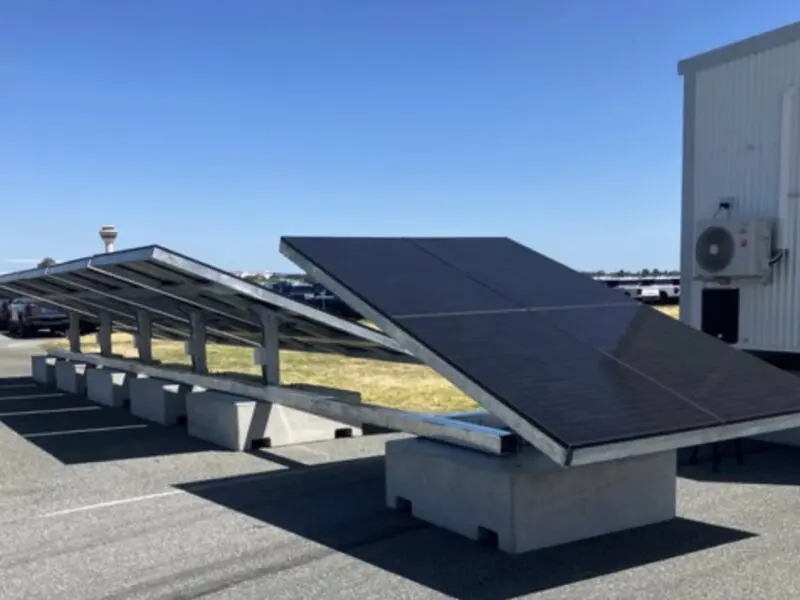
In Western Australia, one of the biggest challenges for EV adoption has been reaching remote communities where the grid is patchy and charging infrastructure unreliable. eLumina, a company rethinking the concept of off-grid EV charging, has come up with an unusual solution: using waste cooking oil to power fast chargers. Their approach integrates battery-backed systems and renewable power sources with backup generators that can run on used chip oil, creating a sustainable energy loop.
This initiative could transform long-distance EV travel through Australia’s regional highways, offering new hope for sustainable mobility in areas that have traditionally been considered unviable for electric transport. The company’s plans also point toward an emerging network of off-grid chargers combining battery storage, solar input, and repurposed biofuels.
Tesla Model Y Performance: major upgrades and new balance
Tesla’s latest Model Y Performance edition has arrived with an impressive set of enhancements. The redesign has increased the gap between the Long Range and Performance trims, a difference that reviewers say is now justified by the improved dynamics and overall refinement of the new version. Motor tuning and suspension tweaks deliver better handling and ride quality, while interior and feature upgrades add value to the higher price tag. The evolution of the Model Y continues to underline Tesla’s influence in maintaining the performance appeal of electric SUVs.
Fortescue’s second all-electric locomotive arrives
Mining giant Fortescue has taken delivery of its second battery-electric locomotive, a 14.5 MWh powerhouse intended to help push its Pilbara iron ore operations toward real zero emissions by 2030. Each of these locomotives underscores the growing crossover between heavy industry and clean energy technology. Battery-powered industrial transport may soon become a standard not just for sustainability but for operational efficiency, marking a clear departure from diesel dominance in mining logistics.
A $20,000 electric SUV? GWM’s Ora 5 aims for affordability
Great Wall Motors has unveiled its new Ora 5 EV, a small electric SUV expected to be priced around US$20,000. The company is positioning it as a mass-market option with credible range, modern design, and the potential to reach markets like Australia. If it delivers on expectations, the Ora 5 could play an important role in making electric mobility more accessible to a broader audience, a critical step as EV adoption faces affordability constraints worldwide.
The Driven Podcast goes behind the scenes of off-grid solutions
Complementing the practical news, a recent podcast episode features Lisa Marsh, CEO of eLumina, delving into how battery-integrated charging and alternative fuels are changing the way electric mobility can function beyond the reach of traditional infrastructure. This discussion helps to illuminate the technical and logistical challenges that come with scaling EV technology across diverse geographies.
Volkswagen’s electric Polo emerges
Volkswagen has revealed details of its upcoming electric ID. Polo, which will launch with four power configurations. The new design benefits from the compact EV platform, resulting in much greater interior space and a more modern layout. Positioned to follow the ID.3 and ID.4, this addition aims to expand Volkswagen’s electric family into the smaller vehicle segments while maintaining its recognizable style and practicality.
BYD continues its momentum with new Ocean Series EVs
BYD, one of the world’s fastest-growing EV manufacturers, held its Ocean Series day, teasing two fresh models expected to debut in early 2026. The company continues to show impressive agility, iterating across different vehicle types while keeping its focus on high-efficiency battery technology. The diversity of BYD’s lineup may soon make it one of the few automakers ready to compete across all price brackets of the EV market.
Policy reversal in Europe: plug-in hybrids get a reprieve
In a surprising policy shift, the European Union has reportedly backed away from its earlier commitment to ban the sale of new internal combustion engine cars from 2035. The decision appears heavily influenced by pressure from legacy automakers struggling to transition quickly to fully electric fleets. The revised approach allows for plug-in hybrids and range extenders to remain on the market beyond 2035, effectively softening the original climate target. Critics say the change could slow down Europe’s move toward full electrification, while manufacturers see it as a breather amid intense competition from Tesla and Chinese entrants.
Ford’s dramatic course correction
Ford has delivered one of the biggest shocks of the week, confirming a $29 billion write-down linked to its EV operations. The company has decided to step back from its full EV strategy, cancelling certain battery ventures and rebranding its manufacturing facilities to once again focus on gasoline-powered trucks. This represents a significant retreat from earlier ambitions to electrify its iconic models.
In parallel, Ford has reintroduced the F-150 Lightning with an onboard generator designed to extend range by using fossil fuel power. Marketed as a hybridized utility option, it offers vehicle-to-load and vehicle-to-grid capacities. Yet, this move risks being interpreted as a signal of waning corporate confidence in purely battery-electric platforms.
A turning point for the EV industry
Together, these developments reveal an EV landscape that is both maturing and facing growing pains. Innovation in renewable charging, affordable new entrants, and industrial electrification coexist with political compromises and market retreats. It’s a reminder that the march toward electrified mobility isn’t linear—it’s a dynamic frontier shaped by technological ingenuity, economic pressures, and the evolving ambitions of governments and corporations alike.