
EV Industry Powers into 2025: Tesla Expands, BYD Innovates, and Global Adoption Surges
A Rapidly Electrifying World
The end of 2025 marks a transformative moment for the global electric vehicle (EV) industry. With companies racing to expand infrastructure, refine technology, and push the limits of performance and affordability, the EV sector is standing at the brink of mainstream dominance. Across various markets, new developments from industry leaders such as Tesla, BYD, Jaecoo, and emerging innovators reveal that electric mobility is no longer a futuristic concept—it’s today’s reality.
Tesla Accelerates Ahead of the Pack
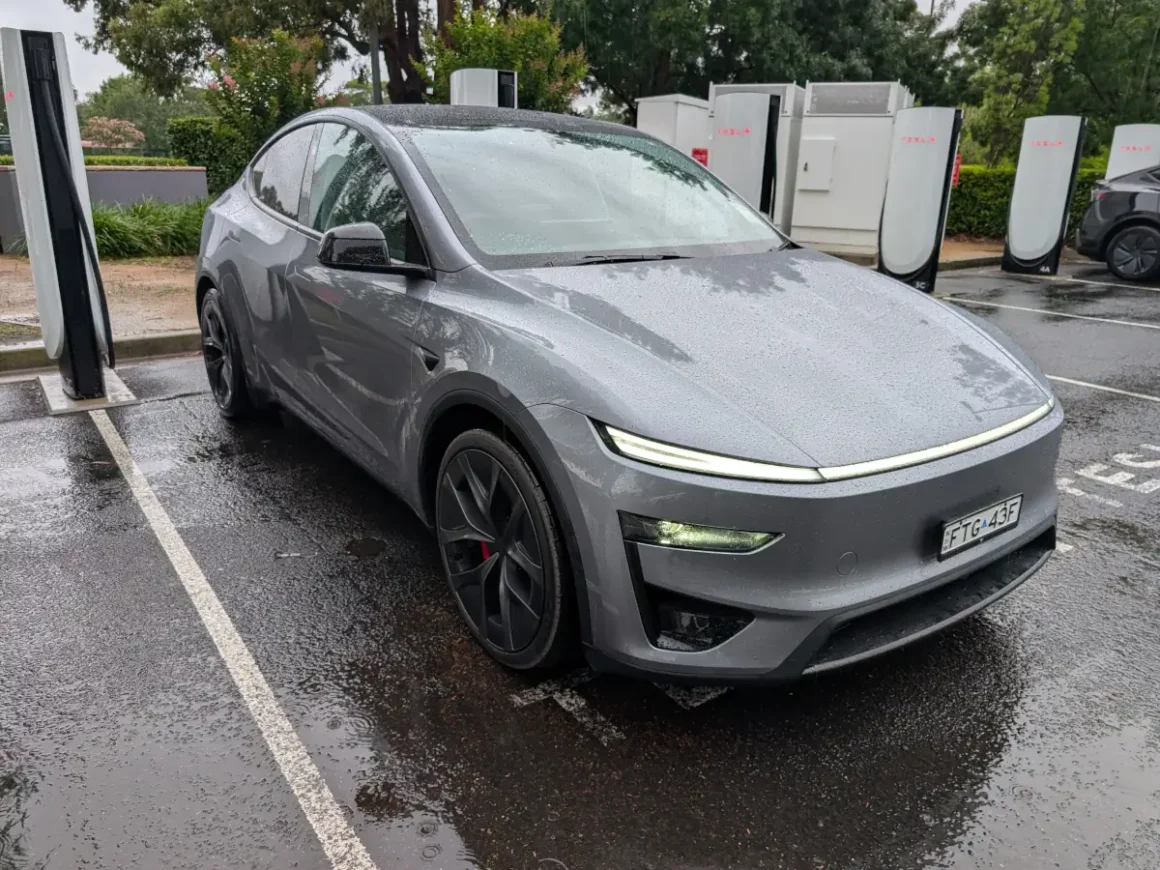
Tesla continues to dominate headlines with an aggressive push across both technology and infrastructure. The company has opened nearly 50 new Supercharger stalls ahead of the busy summer travel season, improving accessibility across Australia. These installations now allow EV drivers to journey seamlessly from Adelaide to Cairns using Tesla’s proprietary Supercharger network alone—a milestone that reinforces Tesla’s commitment to reliability and long-distance travel.
Complementing this expansion, Tesla also debuted a new 16-bay charging station just in time for the Christmas rush. Strategically located on key highways, this installation alleviates congestion at popular stops and further reduces ‘range anxiety’ among drivers planning extended holiday trips.
Meanwhile, the company’s product lineup continues to evolve at breakneck speed. The new Tesla Model 3 Long Range has captured attention for delivering over 600 km of real-world range at highway speeds. This efficiency empowers EV travel times that rival or even surpass those of traditional internal combustion engine (ICE) vehicles. Tesla’s engineering advances in aerodynamics, motor efficiency, and battery management software demonstrate a clear goal: eliminating any remaining perception gap between EVs and conventional cars.
Autonomy and Innovation on Public Roads
Tesla’s innovation doesn’t stop at driving range. Another major breakthrough comes in the form of the Cybercab, an autonomous electric vehicle designed for ride-sharing and fully self-driving operation. Recently seen testing publicly for the first time, the Cybercab represents Tesla’s most direct attempt to merge artificial intelligence with mobility solutions. The pilot sightings on U.S. roads hint at Tesla’s broader ambitions to enter the autonomous taxi market, a move that could redefine urban transportation and shared mobility models.
BYD’s Affordable Future
While Tesla targets performance, Chinese automaker BYD is continuing its steady rise with a focus on affordability and accessibility. Spy shots have revealed an upcoming compact electric hatchback—a model set to debut in 2026. Designed to appeal to budget-conscious consumers, the yet-to-be-named vehicle underscores BYD’s strategy of providing electric options across multiple price segments. Early glimpses showcase a modern, streamlined design, suggesting the company aims to challenge established players in the entry-level EV market.
As a major driver of global EV adoption, BYD’s expanding lineup indicates how increasingly competitive the EV landscape has become. Together, Tesla and BYD’s divergent yet complementary strategies—premium innovation versus affordability—are rapidly redefining how electric mobility is perceived by consumers worldwide.
Jaecoo and the Lifestyle EV Trend
Not to be outdone, newcomer Jaecoo has unveiled a creative twist on the EV formula. The upcoming J5 EV is designed with families and pet owners in mind, incorporating custom accessories such as integrated pet carriers and adaptable storage. This unique approach highlights a shift in EV marketing from a purely technological narrative toward lifestyle-centric design, catering to the emotional and practical needs of everyday motorists.
The Global Shift: EVs Pass a Major Milestone
The broader context of these developments underscores a pivotal turning point. For the first time, plug-in vehicles—both full EVs and plug-in hybrids—make up more than one-quarter of new cars sold globally in 2025. This rapid market share growth signals a fundamental transformation in consumer behavior, automotive policy, and industrial strategy. Once seen as niche products, EVs have entered mainstream consideration, driven by lower costs, advancing range, and expanding charging networks.
Emerging economies are contributing significantly to this shift. From Southeast Asia to South America, consumers are turning to plug-ins as governments introduce incentives, infrastructure programs, and stricter emissions regulations. The tipping point once theorized by energy analysts has arrived sooner than expected.
Off-Grid Charging and Renewable Integration
A critical challenge for widespread adoption—charging accessibility in remote areas—is being tackled by companies like eLumina, whose innovative solutions were featured in multiple stories. Their system integrates battery-backed fast chargers powered by renewable energy and even waste cooking oil as a backup fuel source. This approach offers a resilient way to enable EV travel across vast off-grid regions such as rural Western Australia.
These hybrid micro-grid technologies could prove crucial for electrifying transport infrastructure in areas where grid connectivity remains unreliable. By turning to renewable and circular energy models, innovators are reducing both carbon footprints and dependency on fossil-based logistics.
The Road Ahead
The combined developments from Tesla, BYD, Jaecoo, and distributed energy pioneers mark 2025 as a watershed year for electric mobility. Infrastructure is expanding faster than ever, while affordability and performance are converging. From autonomous taxis to solar-powered highway chargers, the electric revolution is no longer in its infancy—it’s entering full maturity.
If the current pace continues, 2026 may well be remembered as the year when electric vehicles stopped being an alternative—and simply became the norm on roads worldwide.