
Electric Vehicles Race Into 2026: Record-Breaking Models, Innovation and Expanding Infrastructure
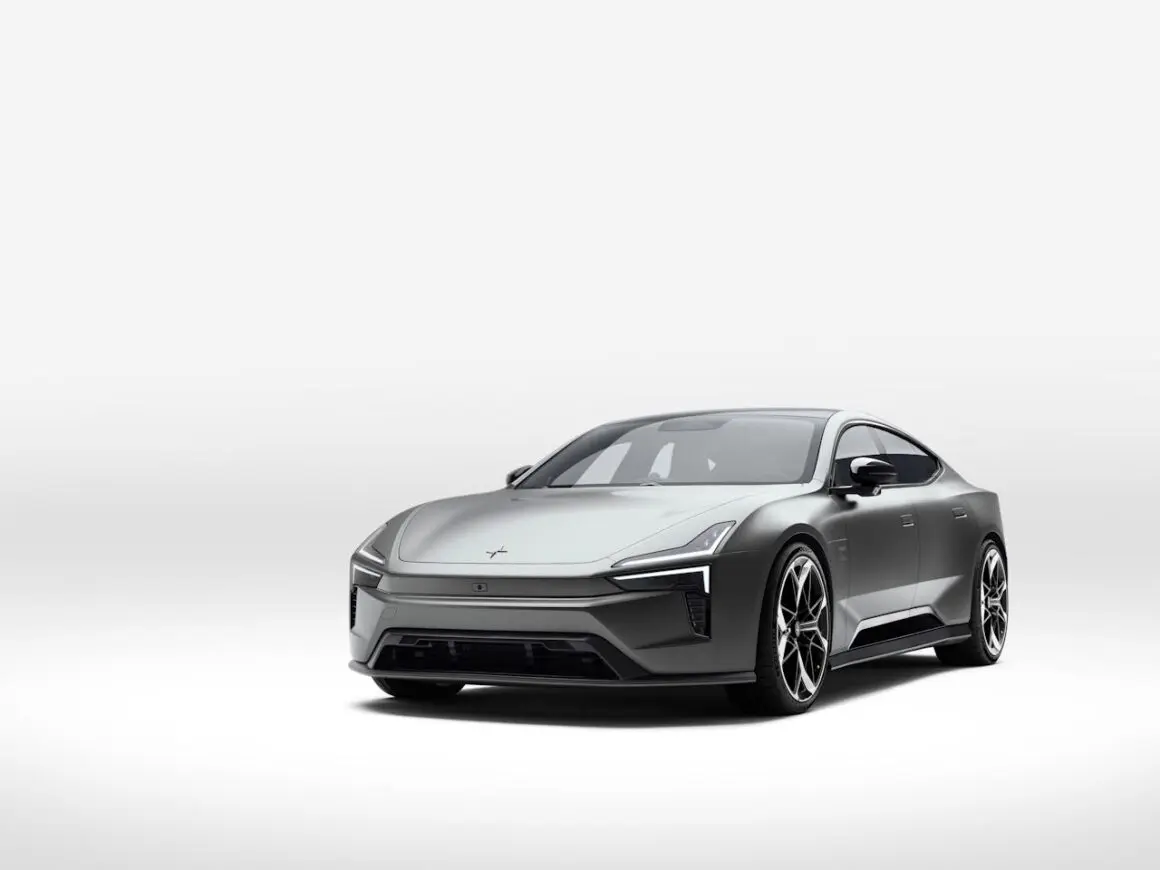
The Electric Revolution Accelerates Into 2026
As the global auto market dives headlong into an electrified future, the transition to electric mobility is speeding up rapidly. The beginning of 2026 brings a wave of announcements, milestones, and new entries across the EV spectrum – from affordable city cars to high-performance electric utes and luxury sedans. The past year closed with record production numbers, infrastructure growth, and an arms race in battery technology that is rapidly pushing electric driving beyond its early adopter phase.
A Diverse EV Shopping List for 2026
The latest updates show that 2026 will be a defining year for electric vehicles as market diversity reaches new heights. According to emerging previews and early showings, EV buyers can expect a wider range of choices than ever before – from budget-friendly hatchbacks to expansive electric utes designed for rural and commercial drivers.
The variety of models about to enter the market signals that EV makers are targeting all ends of the price spectrum. More than just urban commuters or luxury enthusiasts, families and fleets are now firmly in focus. With mainstream manufacturers launching new models in virtually every segment, 2026 will offer something for nearly every kind of driver. The electric ute category, once considered a gap in the market, is now crowded with contenders ready to redefine utility driving in the zero-emission era.
Ten New Electric Cars Worth Watching
Among the highlights headed for 2026 are exciting models from both familiar and unexpected automakers. These include long-awaited entries from Japanese companies transitioning aggressively into EVs, as well as value-oriented offerings from Chinese and Southeast Asian brands.
One of the most anticipated newcomers is an electric Hilux, representing Toyota’s long-delayed but finally tangible step into the EV field. BYD, which continues its unstoppable global rise, has also been spotlighted for bringing to market one of the lowest-cost electric models ever introduced internationally. The combination of affordability, reliability, and range is expected to lure first-time EV buyers in unprecedented numbers.
A Year of Reflection and Forecasts
The close of 2025 served as both a milestone and a prelude. Analysts and industry observers reviewing the year highlighted massive gains in adoption, improved EV affordability, and infrastructure stability. Podcast discussions and end-of-year summaries emphasized that 2026 is likely to solidify electric mobility as the default direction of the global auto industry.
Reflecting on breakthroughs from Tesla, BYD, and emerging brands like Zeekr and Jaecoo, industry observers are predicting that the divide between combustion and electric vehicles will rapidly narrow, not just in performance metrics but in total cost of ownership.
The Rise of Confident Newcomers: Zeekr and Jaecoo
Two of the most striking stories involve newcomers with bold ambitions. Zeekr’s new 7X SUV arrived in Australia boasting refinement and speed that hold their own against long-established luxury players. Reviewers noted its polished execution and confident on-road behavior, suggesting that Chinese EV engineering is reaching levels of maturity and sophistication that rival – or, in some cases, surpass – Western brands.
Similarly, Jaecoo’s J5 EV captured attention with its exceptional pricing and high-quality construction. Combining rugged styling with surprising refinement, it marks a new era in which premium feel no longer needs to come with a premium price. The J5’s affordability could push EV adoption faster than analysts anticipated, particularly in markets hungry for practical, adventure-ready electrics.
Production Milestones: BYD’s Massive Expansion Continues
No summary of the EV landscape would be complete without acknowledging BYD’s continued expansion. The company celebrated a staggering 15 millionth New Energy Vehicle (NEV) produced – a figure that underscores its global manufacturing prowess. This milestone confirms BYD’s position as one of the key global drivers of EV adoption.
This rapid production growth doesn’t just highlight scale. It also signals deepening integration into overseas markets, from Asia to Europe and Australasia. Such progress hints at a near future where BYD competes head-to-head with Tesla and legacy automakers in virtually every major market segment.
Infrastructure Matures: Tesla Superchargers Stretch From Adelaide to Cairns
Infrastructure has long been both the promise and challenge of electric driving. Tesla, however, continues to crush expectations. With the opening of nearly 50 new Supercharger stalls just before the 2025 summer holiday rush, drivers can now traverse the Australian continent’s eastern corridor – from Adelaide to Cairns – relying solely on the company’s fast-charging network.
This expanded coverage doesn’t just make electric travel convenient; it normalizes it. What was once a carefully planned adventure of range anxiety is fast becoming a spontaneous road trip option for families as EVs reach the point where practicality rivals that of internal combustion cars.
The Autonomous Frontier: Tesla’s Cybercab Takes to the Streets
Adding to Tesla’s big year, sightings of the company’s new autonomous Cybercab during public road tests ignited fresh waves of speculation about the pace of self-driving technology. The Cybercab, designed for rideshare and urban transport, represents another push toward removing the driver from the equation entirely – a move that could transform urban mobility if achieved at scale.
The New Range Benchmark: Tesla Model 3 Long Range
Meanwhile, Tesla’s newest Model 3 Long Range edition has earned attention for redefining EV practicality. Delivering over 600 km of highway-range capability, it essentially erases one of the last functional differences between EVs and conventional cars. For many drivers, it will make the question “Can I go the distance?” obsolete.
Where the Road Leads
From record production milestones to maturing infrastructure and richly diverse offerings, the electric vehicle market entering 2026 is one defined by massive acceleration rather than tentative steps. With new competition emerging worldwide, the coming year could mark the consolidation of the EV era – where electric power becomes not an alternative, but the default driving force of the global car market.