
Australia’s Electric Vehicle Market Powers into 2026 with Bold Moves, Price Cuts, and Expanding Choices
As 2026 begins, the Australian electric vehicle (EV) landscape is accelerating into a new and unprecedented phase. Over the span of a few short years, the shift from niche enthusiasm to mainstream momentum has become increasingly undeniable. Judging by the latest developments from manufacturers like Tesla, BYD, MG, Hyundai, and emerging brands such as Zeekr, it’s clear that the coming months will reshape both the business strategies of automakers and the expectations of drivers nationwide.
A Year Defined by Bold Moves and Strategic Adjustments
The first few weeks of 2026 have already ushered in changes that signal how competitive Australia’s EV environment has become. The Driven’s latest round of news updates paints a vivid picture of an industry in flux but also one maturing rapidly — where price reductions, extended warranties, and policy-friendly initiatives are helping EVs claim their share of the market.
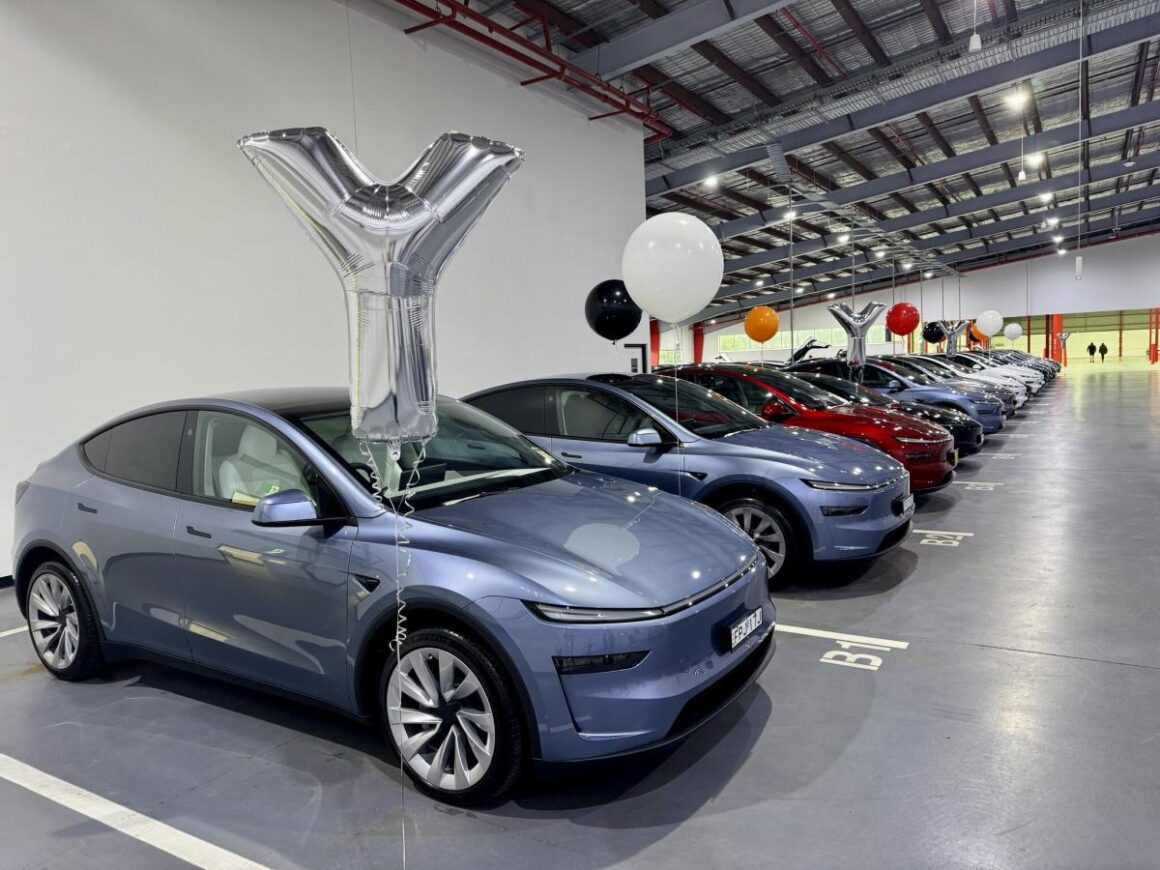
Among the most significant developments is Tesla’s world-first decision to extend its standard warranty on vehicles sold in Australia and New Zealand to five years with unlimited kilometres. This move places Tesla’s after-sales confidence ahead of most global peers and could redefine expectations for warranty coverage in the region. It’s a strategic response to growing competition from Chinese and Korean automakers, and a clear statement that Tesla wants to retain its leadership position while reassuring existing customers of the long-term value of their investment.
This announcement arrives just as other manufacturers look to sharpen their offerings to attract price-sensitive buyers. MG, for instance, began 2026 by cutting prices across its MG4 electric hatchback range — with reductions of up to $5,000. The MG4 had already been one of the most affordable EVs on the market, and these changes position it as an even more accessible entry point at a time when consumers are balancing rising living costs with an interest in sustainable mobility.
Competitive Pressure Brings Prices Closer to ICE Parity
Meanwhile, Hyundai has joined the charge by dramatically adjusting pricing across its existing EV lineup while simultaneously unveiling a new electric SUV, the Elexio. The company’s dual strategy – making current models more affordable while introducing a new technology platform – aims to close the pricing gap between electric vehicles and their internal combustion engine counterparts. Hyundai’s Elexio, a mid-sized SUV, is emblematic of this shift: a vehicle designed for the mainstream family buyer who demands performance, practicality, and value all in one package.
MG and Hyundai’s price realignments mirror a broader global trend where legacy automakers are investing heavily to prevent newer entrants like BYD from dominating early-adopter markets. The Chinese automaker has proven exceptionally adept at gaining a foothold thanks to tactical marketing and consistent price competitiveness. Its $3,000 cashback offer, extended into 2026, highlights how aggressive sales incentives can shape consumer behavior.
BYD Surpasses Tesla in December Sales
The December 2025 sales data, compiled by The Driven using figures from the Federal Chamber of Automotive Industries (FCAI) and the Electric Vehicle Council (EVC), underscores a dynamic holiday surge for the market as a whole. Over 100,000 new EVs were sold nationally last year – a figure unthinkable just a few years ago. Even more notably, BYD overtook Tesla in December’s monthly rankings, boosted by promotional campaigns, improved supply chains, and perhaps a growing sense among consumers that EV technology has matured beyond early adopter concerns.
Market Maturity and Expanding Choice
The transition is not merely about volume but about variety. The Driven’s EV Shopping List for 2026 highlights an increasingly diverse catalogue of vehicles arriving this year. Australian motorists can expect the debut of more electric utes and hatchbacks alongside new offerings that push boundaries at both ends of the price spectrum. There are luxury names like Polestar 5, showcasing premium Scandinavian engineering, while budget-friendly newcomers aim to introduce the most affordable fully electric cars Australians have ever seen.
The publication also identified ten standout EVs to watch closely through 2026. Among them are intriguing models like an electric Hilux, the first EV entries from major Japanese automakers, and BYD’s highly anticipated Atto 1, marketed as the lowest-cost electric vehicle yet. The sheer variety speaks volumes about how EVs are moving from a single-format product line to a full-scale market category encompassing everything from work vehicles to performance sedans.
New Contenders Bring Fresh Energy
One of the newest nameplates making noise is Zeekr, a brand under the Geely umbrella. Its Australian launch of the Zeekr 7X late in 2025 demonstrated that a fresh manufacturer can deliver premium polish and performance right out of the gate. Early reviews described the 7X as fast, confidently engineered, and finely finished — traits that instantly position it against long-established competitors. Zeekr’s entrance into the Australian market underscores just how global the EV transition has become.
Looking Ahead: 2026 as a Turning Point
As highlighted by The Driven’s end-of-year podcast wrap, analysts and journalists agree 2026 could become the year EVs transition from growth phase to mainstream adoption in Australia. With increased infrastructure rollout, better public awareness, government incentives, and automakers rapidly improving production capacity, the signs are unmistakable. EV ownership is no longer a statement of novelty — it’s quickly becoming the new normal.
If 2025 was about proving the viability of electric mobility, then 2026 promises to be about refinement, affordability, and competition. Price cuts, warranty extensions, and broader model diversity all point toward a market where consumers stand to benefit from innovation on every front. For the first time, the average Australian car buyer faces a genuinely exciting question, not of whether to go electric, but which electric vehicle best suits their lifestyle.