
New Year, New Momentum: How 2026 Is Shaping Up to Be a Defining Year for Electric Vehicles
As 2026 begins, the global electric vehicle (EV) market is already buzzing with major launches, unprecedented incentives, and strategic shifts that indicate a rapidly maturing industry. With legacy automakers and new entrants all racing toward market dominance, the early news from January showcases not only rapid technological progress but also the fierce competition pushing prices lower and ranges higher. From Tesla’s revamped Model Y to Hyundai’s pricing recalibrations and MG’s affordability moves, the first weeks of 2026 set the tone for a dynamic, consumer-friendly year in sustainable mobility.
The Race for Affordability Meets Efficiency
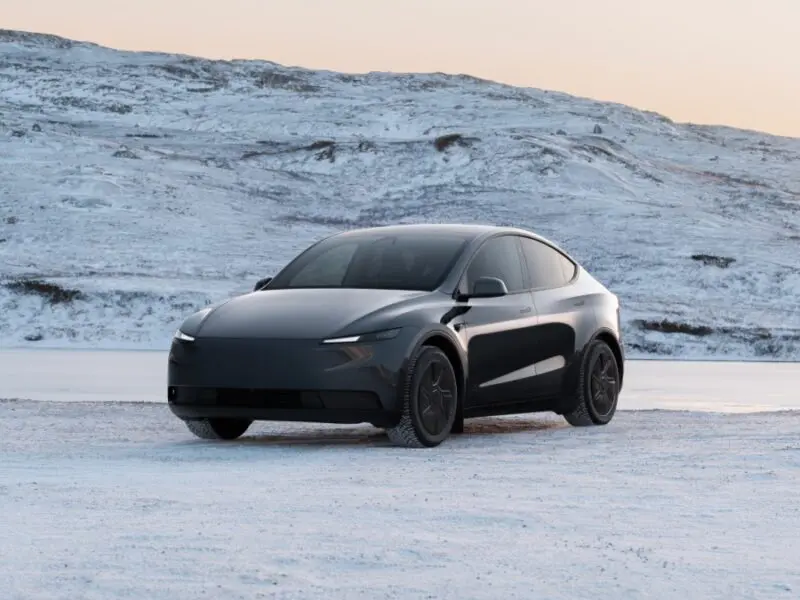
Among the most striking developments comes from Tesla, which announced a lower-cost, longer-range version of its Model Y, now claiming up to 657 km per charge. The new variant benefits from Tesla’s ongoing advancements in battery technology, offering more range per dollar while maintaining strong performance. This release reinforces Tesla’s intent to defend its dominance in the mid-sized EV segment, even as competition from BYD and others grows sharper.
At the same time, Tesla is also leveraging financial incentives to keep sales momentum strong following a slightly slower close to 2025. Starting January, the company introduced a $3,000 discount on select models, signaling an aggressive start to 2026. Such price cuts serve two purposes — they reaffirm Tesla’s commitment to accessibility and address increasing pressures in markets like Australia, where government incentives and consumer expectations are reshaping buying behaviors.
Further strengthening its customer appeal, Tesla extended its vehicle warranty to five years with unlimited kilometers in Australia and New Zealand — a world first. This move could significantly influence perceptions of long-term EV ownership costs and help neutralize concerns related to battery longevity and maintenance. It also puts pressure on other automakers to enhance their post-purchase offerings.
Price Realignments Across the Board
The theme of cost reduction is not exclusive to Tesla. Several manufacturers are clearly entering 2026 with a focus on affordability, indicating an industry shift toward mass-market adoption rather than early-adopter exclusivity. MG, for example, has cut prices across the full range of its popular MG4 electric hatchback by as much as $5,000. Known for its compact practicality and low running costs, the MG4 is now positioning itself as one of the most value-oriented EVs available.
Not to be outdone, Hyundai announced major price cuts on several existing models while unveiling details about its upcoming mid-sized electric SUV, the Hyundai Elexio. This new vehicle is expected to bridge the pricing gap between premium EVs and internal combustion models, pushing Hyundai closer to cost parity with traditional engine vehicles. The Elexio’s introduction marks another step forward in Hyundai’s strategy of leveraging design and battery efficiency to consolidate its place among leading EV producers.
Market Data Paints a Story of Transition
According to the latest 2025 EV sales data, the Australian market alone showed impressive resilience and upward momentum. A detailed monthly breakdown released early this year revealed that battery-electric vehicles accounted for over 10% of total new car sales, a record figure driven by price parity improvements, wider model choice, and government-backed incentives.
Notably, BYD overtook Tesla in December 2025 sales, showcasing how the Chinese manufacturer’s strategy of affordability, cashbacks, and expanding infrastructure has started paying off. BYD’s ongoing $3,000 cashback offer, now extended into 2026, has helped retain customer interest and sustain its lead among cost-conscious buyers. This marks a shift in market share dynamics that will likely continue to evolve as the year progresses.
The Year Ahead: More Choices Than Ever
Beyond pricing and incentives, 2026 promises a flood of new models spanning every vehicle type — from utes and hatchbacks to sports cars. The Driven’s preview of the year’s anticipated launches highlights vehicles that both extend the reach of electric mobility and redefine affordability boundaries. Some models aim to break record low entry prices, while others explore the upper end of performance and luxury.
For motorists, this diversity means greater freedom of choice and less compromise. It also suggests the beginning of a true mainstreaming of EV technology: electric pickups that rival traditional utes in power and utility, budget electric compacts accessible to first-time buyers, and high-performance sedans that push design boundaries.
One standout highlight is how several Japanese automakers — traditionally slower to transition — are finally entering the fold with their first fully electric offerings. Their arrival will likely add depth to the global EV ecosystem and increase competitiveness across markets.
A Turning Point for Electric Mobility
Altogether, the early 2026 developments reflect an industry reaching a crucial inflection point. The combination of technological innovation, pricing realignment, and consumer-centric warranties and incentives is accelerating adoption like never before. These strategies indicate that the EV revolution is no longer limited to early adopters; it is rapidly becoming the new normal for everyday drivers.
As automakers collectively move to lower prices, improve range, and expand model selections, 2026 could very well become the year that electric vehicles decisively outgrow their niche — transforming from an environmentally conscious choice into a mainstream automotive standard.