
Global EV Momentum Accelerates Amid Market Shifts, Government Support, and Surging Demand
Over the past week, the electric vehicle (EV) industry has seen a flurry of significant developments across Asia-Pacific, reflecting both the accelerating consumer demand for cleaner mobility and the structural evolution reshaping the global automotive landscape. From China’s rapid innovation cycles to shifts in government policies across Australia and New Zealand, the EV sector continues to mature and diversify, showing resilience even amid energy and geopolitical uncertainties.
Xiaomi Captures Lightning Demand with Upgraded SU7 Sedan
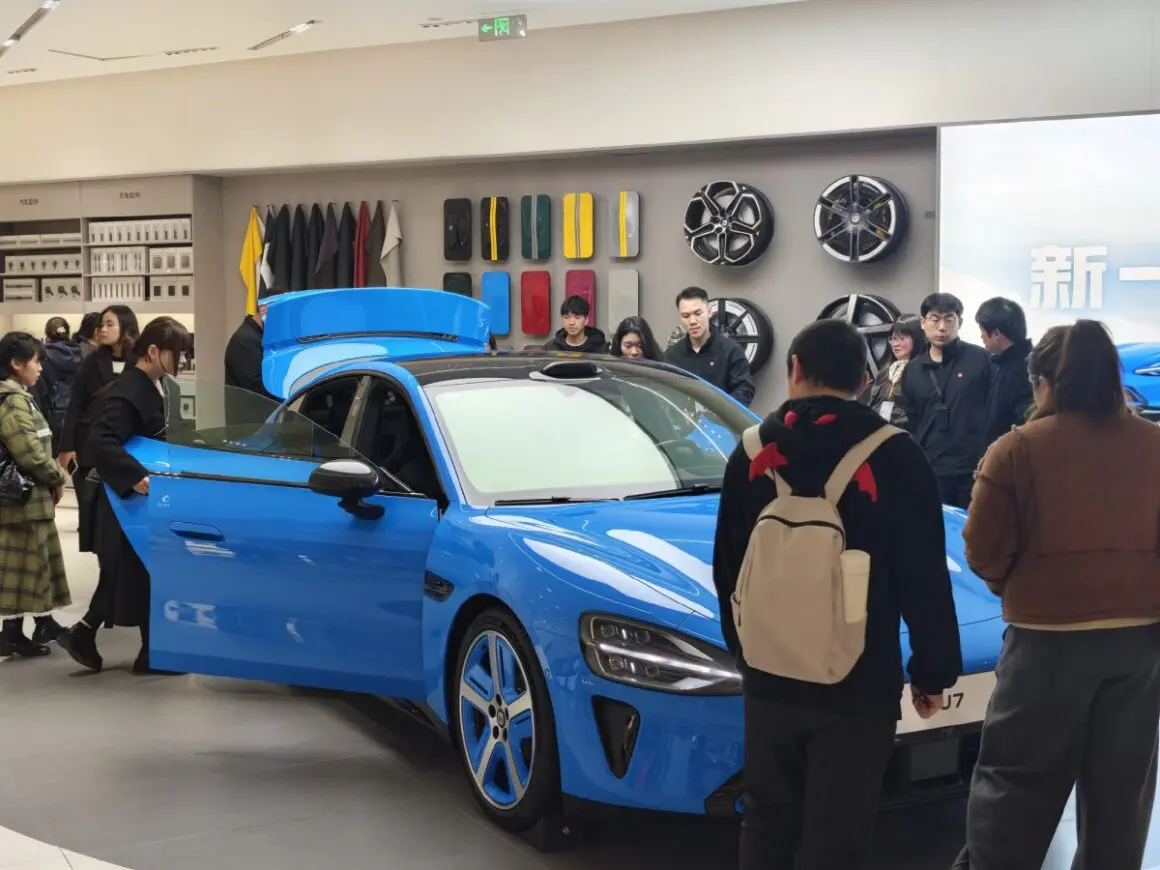
Chinese tech giant Xiaomi continues its bold push into the EV market, unveiling an upgraded version of its SU7 electric sedan. The response has been extraordinary: over 15,000 firm orders were placed within just 34 minutes of its release announcement. This surge underscores the company’s growing influence in the electric car sector, as Xiaomi leverages its technological expertise and brand loyalty to compete directly with established automakers. The newly enhanced SU7 reflects China’s capacity to blend smart innovation, affordability, and performance – critical ingredients for the next wave of EV adoption.
Australia Strengthens Freight Industry Transition to Clean Transport
Meanwhile, the state of Victoria in Australia has announced new programs supporting low- and zero-emission vehicles for the freight sector. The initiative aims to help logistics and transport businesses shift from costly diesel dependency to cleaner, more efficient operations. The state government’s funding reflects an understanding that the decarbonization of heavy transport is essential for achieving broad-based emissions targets. Programs like these often catalyze fleet upgrades and infrastructure improvements, fostering an ecosystem where EV technology becomes accessible beyond private vehicles.
New Zealand Doubles Down on Charging Infrastructure
Across the Tasman Sea, New Zealand is taking a decisive infrastructure step, signing a co-funding deal between government and private partners to double the nation’s EV charger network. This move is particularly timely amid a global fuel price crisis, as rising costs drive more consumers toward electric alternatives. By investing jointly in fast-charging networks, New Zealand aims to erase one of the major barriers to EV adoption – range anxiety – while signaling that its energy transition strategy remains intact despite international turbulence.
Setback for Xpeng’s Australian Expansion
Not all EV-related news was positive, however. TrueEV Distribution, Xpeng’s exclusive distributor in Australia, has been placed into external administration. The setback introduces uncertainty for the Chinese EV brand’s Australian presence, possibly delaying accessibility of Xpeng’s models in the region. While the demand for Chinese electric cars remains strong, the incident highlights how international expansion can be vulnerable to economic and corporate disruptions, even in a growth industry.
First Nations Community Powers Up With EV Charger and Battery Storage
In regional Victoria, progress is taking shape at the community level. A $50,000 grant has funded a new EV charger paired with a 40 kWh battery storage system in the small town of Alexandra. The installation, financed through a local network initiative, represents a milestone for sustainable transport infrastructure in First Nations communities. It’s a reminder that decarbonization is not only a technological shift but also a social and geographic one – extending clean mobility beyond major urban centers.
Tesla Lead Times Grow Amid Fuel Crisis Surge
Australia’s favorite EV, the Tesla Model Y, is experiencing new logistical pressure as lead times stretch longer. A recent spike in fuel prices has triggered an unexpected surge in demand for EVs, pushing Tesla’s delivery timelines further out. It’s a clear indication that macroeconomic variables like oil shocks still play a major role in accelerating consumer shifts – a modern echo of the supply shocks that once triggered fuel efficiency revolutions decades ago.
Japan’s EV Hesitancy Faces a Global Reality Check
While China, Europe, and the U.S. escalate their EV commitments, Japan’s major automakers, including Honda, continue to lag behind in full battery-electric strategies. Honda’s recent strategic retreats from several key EV commitments have raised questions about the country’s long-term competitiveness in clean technology. As China consolidates its leadership in batteries and EV platforms, Japan’s continued focus on hybrid, hydrogen, and e-fuel technologies appears increasingly isolated. Analysts warn that this divergence may signal a historical inflection point in global automotive leadership.
Jaecoo’s Affordable EV Makes a Strong Entrance
New entrants continue to benefit from price accessibility. Chinese automaker Jaecoo’s J5 EV has exceeded 2,000 orders in Australia just months after launch, thanks largely to its $36,990 drive-away offer. Its success emphasizes how value-driven pricing, combined with decent range and design, can make electric mobility achievable for middle-income buyers. As import competition intensifies, affordability may prove to be the decisive factor in mass-market EV adoption Down Under.
Electric Vehicles as a Global Buffer Against Oil Turmoil
Amid escalating geopolitical tensions and oil supply shocks, the International Energy Agency’s chief, Fatih Birol, offered a cautious note of optimism. He stated that while the current oil crisis could be twice as severe as those of the 1970s, the world’s widespread adoption of electric vehicles now provides a vital stabilizing force. EVs are helping nations decouple mobility from volatile fossil fuel markets, serving as an economic as much as an environmental safeguard. The comment underscores how far electrification has come – from a niche interest to a core element of energy security strategy.
Funding Flows for Marine Electrification
Outside the automotive realm, Swedish electric boatmaker Candela has raised €30 million in a new funding round to construct its second manufacturing facility. Known for its hydrofoil technology that drastically improves efficiency, the company is scaling up production to meet soaring international demand. This milestone demonstrates the growing reach of electrification beyond roads, as marine transport begins its own transformation toward zero-emission propulsion.
A Landscape in Acceleration
Taken together, these developments form a cohesive narrative of an industry in acceleration – geographically diverse, technologically evolving, and increasingly central to global economic resilience. Governments are investing, startups are scaling, tech firms are disrupting, and consumers are responding faster than ever. From small coastal towns to mega-manufacturers, clean mobility is no longer a side story – it’s becoming the main act of a redefined energy era.