
Acura’s Electric Revival That Never Was: What the Canceled RSX EV Could Have Meant for Honda’s Future
When Acura introduced the ZDX, its first mass-produced electric vehicle, hopes were running high that Honda’s luxury brand would finally establish itself in the premium EV market. Instead, the ZDX turned into a cautionary tale. Sharing General Motors’ Ultium platform with the Chevrolet Blazer EV and Honda Prologue, the crossover never gained real traction. With fewer than 20,000 units sold in the U.S. during 2024 and 2025 combined, Acura quietly ended production little more than a year after launch, marking a discouraging start to the brand’s electrification campaign.
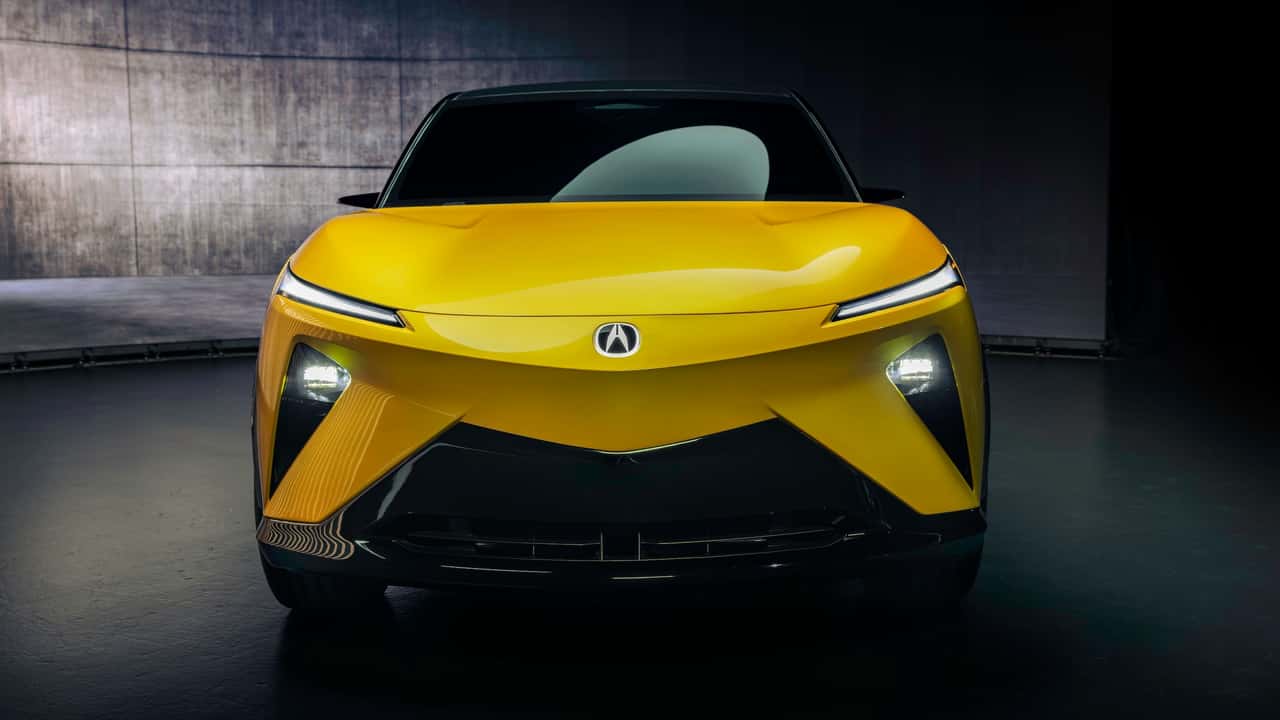
Yet, Acura’s EV ambitions didn’t stop there. Before the ZDX’s demise, its successor was already in development—a sleek new electric model known internally as the RSX. The RSX was supposed to mark Acura’s true entry into the electric era, this time with technology built entirely in-house by Honda rather than borrowed from another automaker. Positioned as the first vehicle on Honda’s newly engineered 0 Series platform, the RSX aimed to fix all the issues that plagued the ZDX while putting Acura back in competition with Tesla, Kia, Hyundai, and even legacy luxury automakers like Cadillac and Volvo.
The 0 Series platform was Honda’s big bet. Developed with the goal of making electric cars lighter, more efficient, and more sustainable, it represented a leap forward for the Japanese company. It was designed to incorporate structural battery packs—where the battery forms part of the car’s structure—a concept similar to Tesla’s approach. Lightweight alloys and large-scale casting techniques borrowed from cutting-edge manufacturing promised improved rigidity and reduced cost. Honda’s engineers claimed these cars would offer longer range and better energy efficiency than anything they had produced before.
Aerodynamics played a central role in the new lineup’s design. The Acura RSX, envisioned as a sporty crossover, was styled with a swept-back roofline and coupe-like proportions reminiscent of competitors such as the Ford Mustang Mach‑E and Tesla Model Y. Engineers invested heavily in shaping airflow to maximize driving range while delivering a visually confident stance. Early concept sketches hinted at a muscular yet minimalist aesthetic, tailored for buyers looking for both performance and visual appeal.
Inside, the RSX was expected to take a technological leap. At its heart was a brand‑new digital ecosystem called Asimo OS, a nod to Honda’s iconic humanoid robot. This next-generation infotainment platform was designed to deliver a more responsive, adaptive, and connected driving experience, leveraging artificial intelligence to personalize system behavior. Acura promised true over‑the‑air updates across vehicle functions, allowing the RSX to evolve long after leaving the factory. Multiple digital displays and seamless smartphone integration were rumored, but since Honda never revealed interior photos or final prototypes, the exact layout remains a mystery.
Performance was expected to be solid rather than extreme. The RSX was reportedly set to come standard with dual‑motor all‑wheel drive. Based on early information from Honda’s 0 Series test mules, each drive unit could produce up to 241 horsepower (180 kilowatts). In theory, that meant nearly 480 horsepower combined, though actual output would likely be lower due to system limitations. Acura engineers also planned advanced handling features such as double‑wishbone front suspension and Brembo front brakes, signaling that driving dynamics would be central to its appeal.
Technological flexibility was another key promise of the 0 Series. The RSX could potentially offer 800‑volt electrical architecture, allowing faster DC charging and reduced heat buildup compared to 400‑volt systems. Vehicle‑to‑load (V2L) functionality was also part of the package, enabling owners to use the RSX to power external equipment or even serve as an emergency energy source. A native North American Charging Standard (NACS) port—compatible with Tesla’s Supercharger network—was included from the start, representing a smart nod to evolving market expectations.
In terms of size and price, Acura intended the RSX to compete directly with mainstream premium EVs. It was expected to be slightly smaller and less expensive than the ZDX, positioning it alongside vehicles like the Tesla Model Y, Ford Mustang Mach‑E, Kia EV6, Hyundai Ioniq 5, Cadillac Optiq, and Volvo EX60. Its balance of luxury features, athletic design, and innovative technology was meant to make it more accessible while still aspirational.
Production was supposed to take place at Honda’s new EV manufacturing hub in Ohio—the centerpiece of the company’s U.S. electrification efforts. The RSX would lead the launch of three models built on the 0 Series platform, followed by Honda’s own 0 Series SUV and 0 Series Saloon in later years. At one point, the RSX was scheduled to start rolling off the line in 2025, with deliveries beginning in 2026.
Then, everything changed. Facing a cooling U.S. EV market and rising production costs, Honda executives made the surprising decision to cancel all three models before they even reached assembly. The move reflected a major strategic rethink: instead of rushing into mass EV production, the company would slow down, refine its technology, and reassess timing based on market realities. For Acura, the decision halted what could have been the brand’s defining moment in the electric era.
Though the RSX will never see a showroom, its story illustrates the tough transition many legacy automakers face. Building competitive electric cars requires not just engineering expertise but the ability to predict a rapidly shifting marketplace. Acura’s canceled RSX shows that even bold visions can be sidelined by practical business decisions—which, ironically, might also delay the innovation these companies need to thrive in the EV age.