
Electric Vehicle Industry Accelerates into a New Era of Innovation and Global Expansion
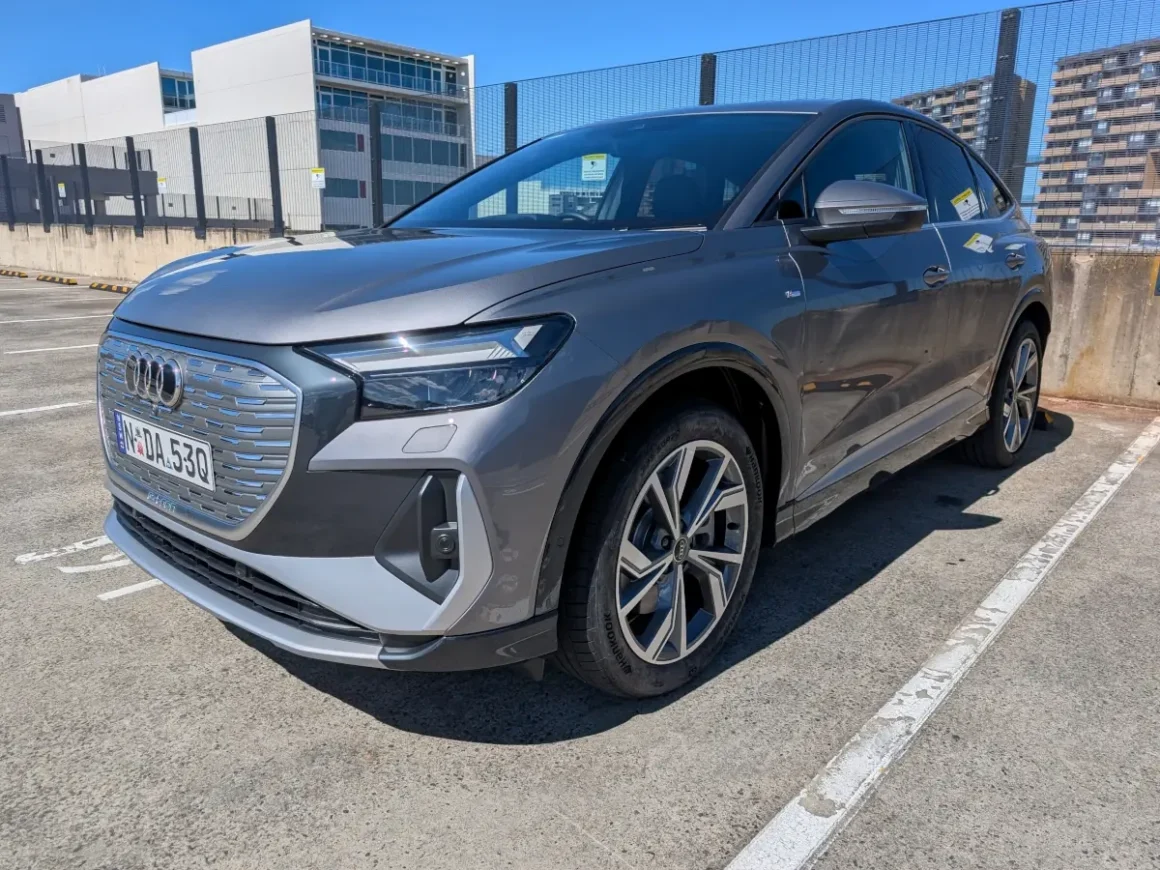
Global EV Momentum: 2024 Marks a Turning Point
The electric vehicle (EV) industry is no longer a niche segment reserved for early adopters and sustainability advocates—it has become a core focus of the automotive sector and an integral component of global climate strategies. In 2024, the pace of EV innovation, investment, and policy support has reached a historic high, signaling a decisive shift in how the world moves toward sustainable transportation. From advancements in battery chemistry and charging networks to exploding demand in emerging markets, the past year has been transformative for the EV ecosystem.
Technological Advances Define the Next Wave
Battery technology has been at the heart of EV progress, and 2024 has brought multiple breakthroughs. Solid-state batteries—a long-discussed technology promising greater range and faster charging—appear closer to commercial viability. Startups and established automakers alike have announced successful prototypes, with some planning limited production within two years. These innovations could double energy density while improving safety and reducing reliance on critical materials like cobalt.
Alongside battery improvements, software-defined vehicles are becoming the new norm. Automakers increasingly integrate advanced connectivity features, enabling over-the-air updates and real-time performance tuning. Artificial intelligence now supports predictive maintenance and route optimization, while integrating seamlessly with renewable charging networks. This marriage of electrification and digitalization marks a pivotal change in how consumers experience transportation.
Charging Infrastructure Expands Rapidly
The challenge of charging availability, once one of the primary barriers to EV adoption, is quickly fading. Governments and private companies are working in tandem to create expansive charging corridors that connect urban, suburban, and rural communities. In North America, joint ventures among automakers have pledged thousands of new fast-charging stations by 2025. Europe continues to lead in standardization and cross-border compatibility, while Asia’s ultrafast charging technology is setting new benchmarks for efficiency.
Moreover, the integration of renewable energy sources into charging networks is transforming EVs into cleaner, smarter assets. Solar-powered charging hubs, battery-buffered highway stations, and vehicle-to-grid (V2G) technology are redefining the interaction between transportation and power systems. This evolution is particularly impactful as more nations commit to full electrification of their fleets and energy systems.
Global Markets Respond to New Incentives
Governments are strengthening the policy scaffolding that supports the electrification movement. Incentives such as tax credits, direct subsidies, and zero-emission mandates are helping consumers transition to EVs and assisting automakers to retool production lines. For instance, several countries in Europe are maintaining generous purchase rebates, while others like India are pivoting toward domestic battery manufacturing to secure their supply chains.
In the United States, the Inflation Reduction Act continues to shape the industry by promoting local component sourcing and manufacturing incentives. This localization strategy has sparked a wave of investment in gigafactories and battery recycling facilities across the Midwest and South. China, meanwhile, remains the epicenter of production, not only in vehicles but also in critical materials and components that define the global EV value chain.
The Competitive Landscape Broadens
Traditional automakers are now fully immersed in the EV transition, launching a wide range of electric models across multiple price points. Startups are making their mark as well—some focusing on ultra-efficient city cars, others on long-range luxury segments or commercial delivery vehicles. The growing competition is driving down costs and increasing variety for consumers, creating a more mature and dynamic market.
Fleet electrification has emerged as a major growth catalyst. Logistics companies, ride-share platforms, and public transit operators are turning to electric options to reduce operational costs and meet sustainability goals. This widespread adoption is further fueling demand for energy storage solutions, charging management software, and lifecycle recycling systems.
Sustainability and Circular Economy Take the Spotlight
As production scales up, attention is shifting from raw expansion to responsible growth. Automakers and suppliers are developing recycling systems that recover valuable materials from used batteries, helping to reduce mining pressures and stabilize supply chains. At the same time, global standards for environmental reporting are encouraging transparency in sourcing and manufacturing practices.
The concept of a circular EV economy—where materials, energy, and vehicles are reused or repurposed throughout their lifecycles—is beginning to take form. Companies implementing such models not only lower their environmental footprint but also demonstrate long-term resilience in a rapidly evolving marketplace.
Looking Ahead:
The trajectory of the EV sector suggests that the upcoming decade will be defined by collaboration among industries once considered separate—automotive, technology, energy, and urban planning. Future cities are already planning infrastructure around mobility hubs where electric buses, shared vehicles, and micromobility options coexist with renewable power supplies.
Ultimately, the electric vehicle revolution is becoming more than a transition in transportation—it is a reimagining of the global energy landscape. With continued policy support, rapid technological innovation, and increasing consumer acceptance, 2024 stands as a defining year on the road to a cleaner, electrified future.