
Electric Vehicle Industry Accelerates Into a New Era of Innovation and Growth
Electric Vehicle Industry Accelerates Into a New Era of Innovation and Growth
The electric vehicle (EV) industry continues to race forward at unprecedented speed, transforming not only the automotive sector but also global energy and technology markets. Over the past year, we’ve witnessed groundbreaking releases, strengthening infrastructure, evolving government policies, and a rapidly expanding consumer base that demonstrates the irreversible shift from internal combustion to electric mobility.
Expanding Model Lineups and Market Accessibility
Major automakers have expanded their EV offerings, introducing models across nearly all price ranges and body types. Compact city cars, high-performance sports EVs, and heavy-duty electric trucks are now being presented side-by-side, providing consumers with a wide range of options. Industry analysts predict that within the next three years, EV purchase prices will reach parity with traditional vehicles for most major segments.
Emerging players continue to challenge legacy brands with innovative designs and bold business models. Startups are focusing on lightweight materials, over-the-air software updates, and modular battery solutions. Meanwhile, established automakers are leveraging global supply chains and deep R&D pipelines to scale up faster than ever before. The competition is pushing the boundaries of what’s technologically achievable while keeping environmental sustainability at the core.
The Battery Revolution: Efficiency, Cost, and Circularity
Battery production has long been the bottleneck of EV development, but the latest advancements are beginning to overcome that hurdle. Recent announcements highlight improvements in energy density, faster charging technologies, and reductions in lithium dependency. Solid-state batteries, once considered a distant goal, have entered small-scale production trials by multiple companies, signaling a significant leap toward safer, longer-lasting cells.
Battery recycling and second-life applications are also gaining traction. New facilities across Europe, North America, and Asia are working to recover and reuse valuable materials like lithium, nickel, and cobalt. This circular approach is both environmentally and economically essential, ensuring that resource constraints do not derail the EV revolution.
Charging Infrastructure Scales Up Globally
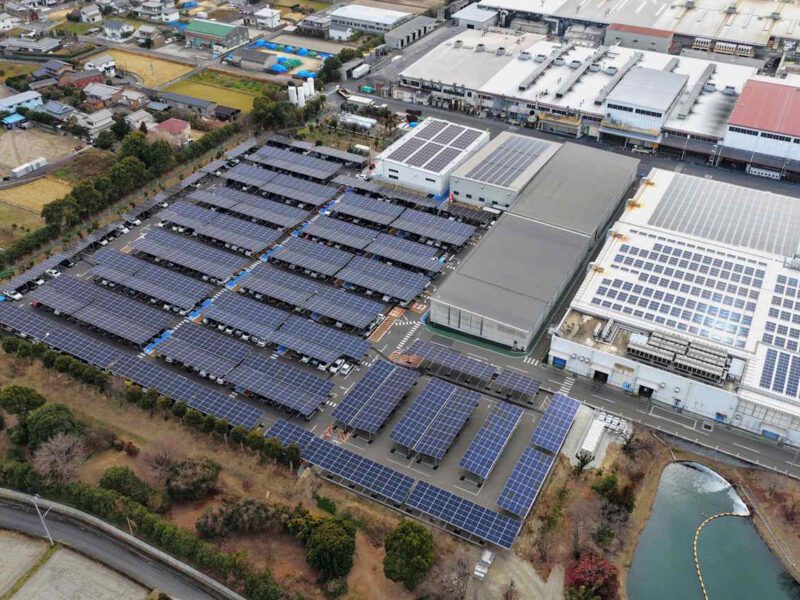
To support the surge in EV adoption, public and private sectors are investing heavily in charging infrastructure. Thousands of new fast-charging stations are being installed monthly, often equipped with renewable-powered grids. Governments are providing incentives to accelerate this rollout, and some regions are even exploring vehicle-to-grid (V2G) systems that can integrate EVs as part of the energy storage ecosystem.
In urban areas, smart charging solutions are becoming the norm. Networked chargers use data analytics to optimize power distribution and minimize grid strain during peak usage. Companies in the home energy sector are increasingly offering bundled solutions, combining solar panels, home batteries, and EV chargers to create self-sustaining energy ecosystems for consumers.
Policy and Regulation: Governments Double Down on Electrification
Governmental policy remains a powerful driver of EV adoption. Many nations have set increasingly ambitious targets to phase out gasoline and diesel engine vehicles. Tax credits, purchase subsidies, and corporate fleet electrification mandates are now common instruments of transformation. In particular, regional governments in Europe and Asia have outlined detailed roadmaps connecting renewable power generation with EV infrastructure development.
Environmental commitments have shifted from broad pledges to measurable outcomes. Emissions standards, manufacturing regulations, and lifecycle assessments are now directly tied to EV incentives. The alignment of public policy with technological progress offers an unprecedented opportunity to accelerate climate goals.
Artificial Intelligence and Digital Connectivity
The convergence of electrification and digitalization has become one of the defining features of the new automotive ecosystem. AI-driven predictive maintenance, autonomous driving capabilities, and smart energy management software are increasingly integrated into EVs. Cloud connectivity allows for continual optimization and feature updates, reducing the need for physical interventions.
Data collection from millions of connected vehicles is generating insights into traffic flow, energy efficiency, and user behavior. These insights are being harnessed to design safer, smarter, and more efficient urban mobility systems. The EV of the present is not just a vehicle—it’s a digital platform that evolves in real time.
The Road Ahead
The EV landscape in 2024 shows a maturing market that is entering a new phase of stability. Supply chain issues that once threatened production are easing as diversified sourcing and regional manufacturing expand. The next frontier centers around integrating EVs into broader sustainable ecosystems—linking personal mobility to renewable power, grid management, and data-driven urban planning.
Public sentiment has evolved alongside technology. Once seen as a niche for early adopters, EVs now represent mainstream consumer aspirations. Awareness of environmental impacts and economic advantages continues to grow, backed by technological proof points that demonstrate long-term reliability and cost efficiency.
In this dynamic environment, innovation remains the heartbeat of the EV industry. Whether it’s a new ultra-fast charging solution, smart-grid integration, or next-generation solid-state batteries, every breakthrough brings the world closer to an electrified future. As manufacturers, engineers, policymakers, and consumers align toward sustainable mobility, the momentum driving the electric revolution is stronger than ever.