
Electric Vehicles Take Center Stage: Key Developments Shaping the EV World in 2024
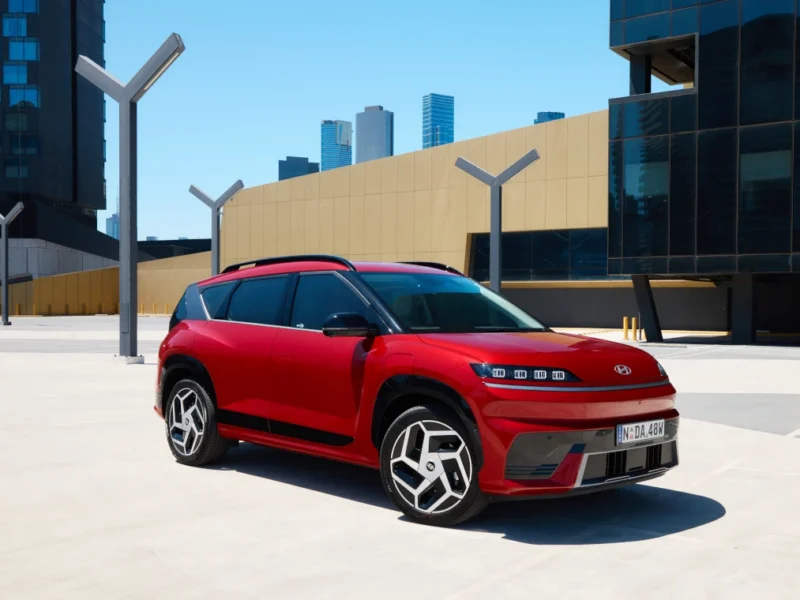
Electrifying Momentum: How the Global EV Market is Accelerating in 2024
The electric vehicle (EV) revolution continues to surge forward in 2024, with major automakers, startups, and policymakers all contributing to a rapidly evolving ecosystem. The latest developments across battery technology, charging infrastructure, policy frameworks, and production strategies are redefining the automotive industry and setting new benchmarks for innovation and sustainability.
New Models Signal a Maturing Market
In recent months, an impressive array of EV models have been announced by both traditional automakers and new entrants. Several manufacturers are focusing on expanding their range of affordable electric vehicles to appeal to mass-market consumers. This shift reflects a broader trend toward democratizing access to electric mobility.
The latest compact crossovers and sedans boast significantly higher range figures—some exceeding 400 miles per charge—thanks to improvements in energy density and advanced cooling systems. Luxury brands are also pushing boundaries, integrating sustainable materials, cutting-edge user interfaces, and enhanced autonomous driving capabilities. In every major automotive market, from North America to Asia, new models are redefining consumer expectations.
Solid-State and Battery Innovation
At the heart of these advancements lies the evolution of battery technology. Solid-state batteries, once a distant goal, are now moving closer to commercial viability. Multiple companies have unveiled working prototypes featuring reduced charging times and improved safety profiles. These new designs eliminate flammable liquid electrolytes, allowing for higher energy densities and faster charge cycles.
Additionally, battery recycling and second-life applications are gaining traction as a critical part of the sustainability equation. Companies recycling spent lithium-ion cells are developing ways to recover precious materials such as nickel, cobalt, and lithium, ensuring a more circular and efficient use of resources. Startups focused on reusing EV batteries for grid storage and renewable integration are seeing significant investment interest, signaling that batteries will play a central role in both energy and transportation sectors.
Charging Infrastructure Expands Globally
An electric future is only feasible when charging is as ubiquitous and convenient as refueling—and 2024 is seeing a remarkable expansion of charging networks. Governments, utilities, and private companies are collaborating to deploy ultra-fast chargers capable of adding hundreds of miles of range in just minutes. Several major highway corridors now feature continuous coverage with chargers capable of 350 kW or more.
Urban areas are also making progress in deploying smart charging hubs equipped with solar canopies and integrated energy management systems. In many cities, curbside chargers and retrofitted streetlights are being adapted to charge parked vehicles, addressing a critical challenge for apartment dwellers without home charging access.
Policy and Regulation Drive the Shift
Governments continue to play a decisive role in steering the electric transition. Following the example of early adopters in Europe, more nations have established clear timelines for phasing out sales of new internal combustion vehicles. Stronger emissions regulations and incentives—such as tax credits, rebates, and exemptions from tolls—have collectively accelerated consumer adoption.
Investment in local battery production and EV component manufacturing has become a strategic priority. The U.S., for instance, is seeing a surge of battery plants breaking ground, spurred by subsidies tied to domestic content requirements. Meanwhile, Asian nations are solidifying their supply chain dominance while also diversifying the sourcing of critical minerals to reduce geopolitical risks.
The Role of Software and Connectivity
Beyond hardware, software innovation is emerging as a defining competitive edge. Over-the-air updates now enable manufacturers to continuously improve range optimization, safety protocols, and entertainment systems. Artificial intelligence is being integrated into everything from predictive maintenance to adaptive energy use, positioning EVs as not merely vehicles but dynamic digital platforms.
Energy management systems are also becoming smarter; with vehicle-to-grid (V2G) integration, EVs can serve as mobile energy assets that help stabilize power networks during peak demand. Fleet operators and utilities are particularly interested in this capability as renewable energy penetration increases.
Sustainability Beyond the Vehicle
Sustainability in the EV industry is expanding far beyond tailpipe emissions. Companies are increasingly scrutinizing their entire supply chains, focusing on ethical mining practices, renewable-powered manufacturing, and eco-friendly materials. Many new EV factories now run entirely on renewable electricity, further reducing lifecycle emissions.
Recycling partnerships and end-of-life initiatives are also emerging as standard practice rather than side projects. These efforts ensure that the long-term environmental benefits of electric vehicles are fully realized, not only during their use phase but across their full lifespan.
Looking Ahead
As the electric transition accelerates, the key challenge remains balancing speed with sustainability. Battery demand continues to soar, yet supply chains must remain resilient and responsible. Governments, corporations, and consumers all share a role in driving forward a cleaner, smarter transportation future.
With breakthroughs arriving nearly weekly—from ultra-efficient batteries to new gigafactories—2024 is shaping up to be a landmark year in the story of electric mobility. The global EV market is no longer an experiment or a niche but a central force reshaping our roads, economies, and climate ambitions. The road ahead is electrified, and the momentum appears unstoppable.