
Electric Revolution Gathers Pace: Highlights from the Latest EV News Feed
The EV Revolution Accelerates
The electric vehicle (EV) industry is moving faster than ever before, with announcements, prototypes, and breakthroughs arriving almost daily. The past few weeks have seen a wave of developments across manufacturers, battery innovators, and policymakers—all pointing to an accelerating shift toward electrified transportation. This overview captures the most significant trends and stories shaping the current EV landscape.
Expanding EV Production and Model Variety
Global automakers are ramping up production capacity and introducing diverse electric vehicle models to meet growing consumer demand. This trend is no longer limited to a handful of tech-forward start-ups or luxury brands. Mainstream players are staking their claims in the EV space with multiple models spanning sedans, SUVs, and trucks.
For instance, several automakers have announced dedicated electric-only production lines. These facilities are designed from the ground up for efficiency, relying heavily on robotics and artificial intelligence to optimize assembly and quality control. The intent is to streamline costs and reduce errors in a rapidly expanding EV portfolio.
Particularly interesting is the shift in focus toward mid-range consumer models. Affordable EVs are emerging as governments begin to dial back subsidies for luxury electric cars, prioritizing accessibility instead. As smaller EVs with decent range and improved battery performance hit the market, adoption is expected to accelerate rapidly over the next two years.
Battery Innovation and Supply Chain Developments
Battery technology continues to underpin EV progress. From solid-state designs to new lithium iron phosphate (LFP) chemistries, the focus remains on achieving higher energy density, faster charging, and greater sustainability.
Solid-state batteries, which replace liquid electrolytes with solid materials, are one of the most anticipated innovations. Several companies have begun pilot production, with commercial releases expected within a few years. These promise improved safety, longer lifespan, and shorter charge times—addressing many of the limitations of today’s lithium-ion cells.
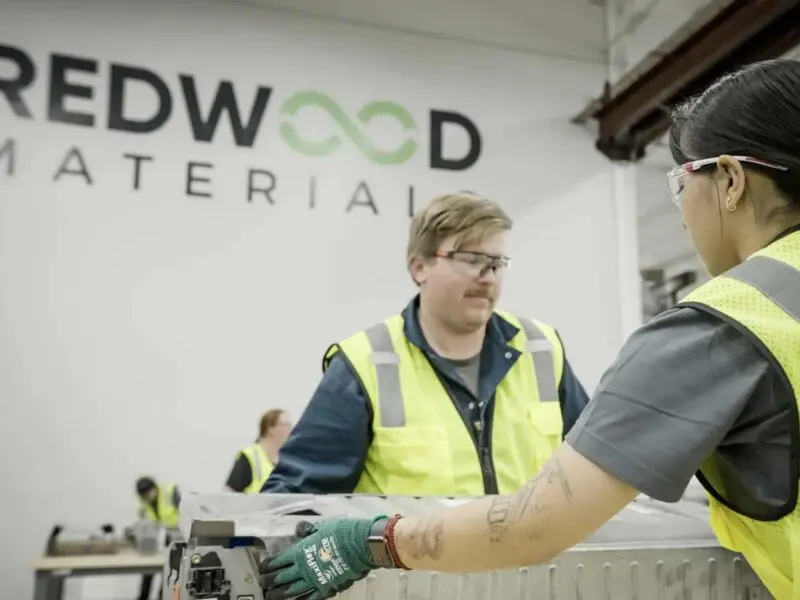
At the same time, recycling and second-life applications are gaining traction. Start-ups and established energy firms are investing in facilities capable of reclaiming valuable materials like lithium, nickel, and cobalt from end-of-life batteries. This not only reduces the environmental impact of EVs but also helps stabilize global supply chains currently under pressure from surging demand.
Meanwhile, geopolitical dynamics surrounding critical minerals have brought renewed emphasis on localizing production. New partnerships between automotive manufacturers and mining operations aim to secure ethically sourced, traceable materials for future EVs.
Charging Infrastructure Expansion
Charging networks are the next major piece of the electrification puzzle. Governments and private developers are working aggressively to extend coverage and speed up installation timelines.
The rollout of ultra-fast chargers—capable of delivering 350 kW or more—is reshaping driver expectations. These new stations can add hundreds of miles of range in under 20 minutes, significantly narrowing the convenience gap between EVs and internal combustion vehicles.
Cities are also embracing smart charging initiatives designed to integrate EVs into local power grids. By deploying smart meters and dynamic pricing, utilities can balance load during peak hours while ensuring EV owners access affordable electricity at off-peak times. This two-way interaction between vehicles and the grid marks an important step toward a resilient, renewable energy-powered transport ecosystem.
Policy and Market Momentum
Legislation remains a crucial accelerator. Policymakers across Europe, North America, and Asia are tightening emissions standards and setting firm deadlines to phase out fossil-fueled vehicles. Many governments are coupling these mandates with tax incentives, manufacturing support, and charging‑infrastructure funding.
Fleet electrification is also advancing quickly. Logistics companies, postal services, and ride-sharing platforms are committing to zero‑emission fleets within this decade. Their combined purchasing power sends strong market signals and encourages suppliers to prepare for large-scale electric mobility.
Economically, the EV sector is attracting unprecedented levels of investment. Venture capital continues to flow into both vehicle manufacturers and supply‑chain innovators. Major fundraising rounds from charging‑technology developers and clean‑energy startups indicate industry confidence in sustained long‑term growth.
Consumer Adoption and Evolving Perceptions
Perhaps the most compelling transformation lies in consumer attitudes. Once considered niche technology, electric vehicles are now a mainstream topic of conversation. Improved range, lower operating costs, and an expanding pre‑owned EV market have helped soften previous skepticism.
Automakers are also focusing on user experience—introducing intuitive software platforms, over‑the‑air updates, and seamless integration with renewable home energy systems. This software‑driven aspect of EV ownership distinguishes modern electric cars as vehicles that improve over time, much like smartphones.
There is also an increase in community-based education efforts. EV associations, environmental groups, and local governments are hosting drive experiences and town hall sessions to demystify battery technology and charging logistics. These campaigns underline a growing understanding that electric mobility is not only feasible but beneficial in long-term sustainability terms.
Looking Ahead
The momentum seen in recent months suggests that the global transition to electric mobility is not a passing phase but an irreversible megatrend. As infrastructure scales, supply chains mature, and innovation continues, costs are expected to decrease steadily. With virtually every automotive brand planning a fully electric lineup by the end of this decade, the world is inching closer to a tipping point where EVs become the default option for personal and commercial transportation.
The next wave of progress will likely center on software‑defined vehicles, cross‑sector energy integration, and circular‑economy strategies. Consumers can expect smoother charging experiences, longer battery warranties, and a growing ecosystem of eco‑friendly components. The electrification journey is not just reshaping mobility—it is redefining manufacturing, employment, and energy policy globally.
As this overview demonstrates, the EV revolution is no longer on the horizon; it is happening right now. Every new announcement represents another step toward a cleaner, connected, and sustainable transportation future.