
2026 Lexus RZ 550e F Sport: A High-Tech Electric Crossover Still Finding Its Balance
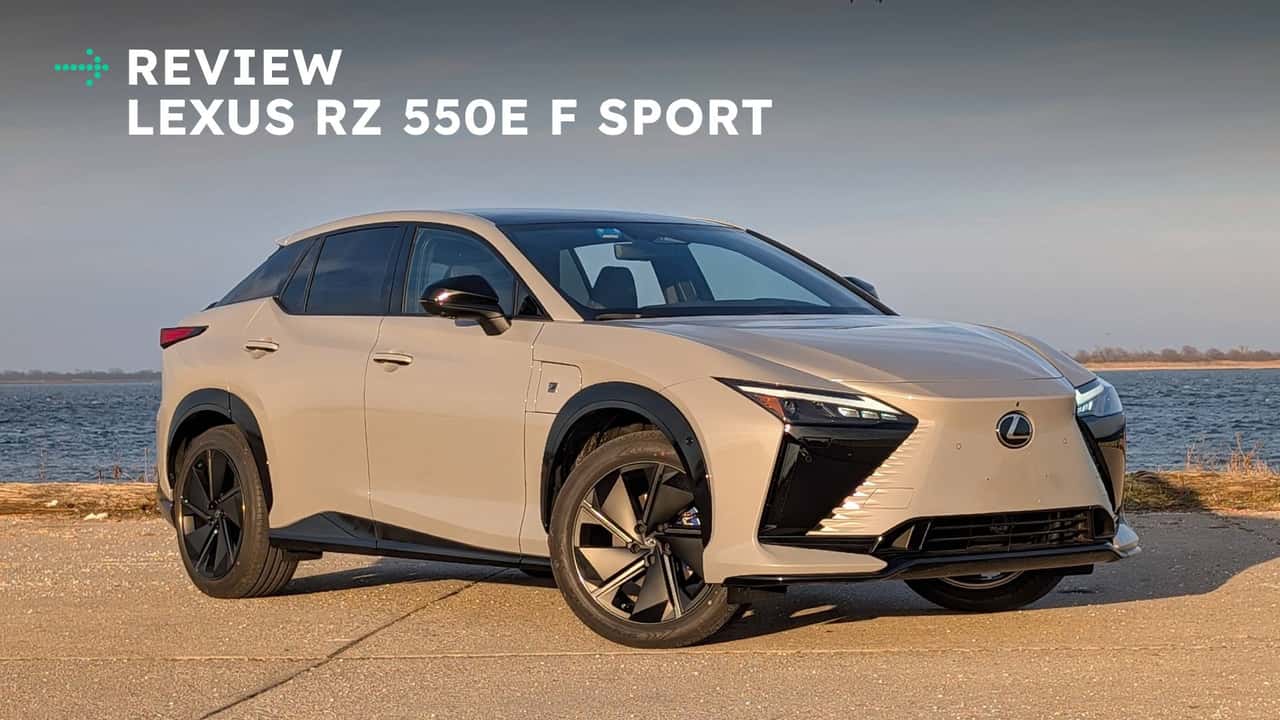
The electric vehicle market is in a moment of transition. While overall EV sales may have slowed after the end of federal tax incentives and changing regulations, Toyota and Lexus have managed to keep momentum alive with their latest electric models. At the forefront is the refreshed 2026 Lexus RZ lineup, and particularly its new range-topping 550e F Sport trim—a crossover that attempts to combine high performance, advanced software, and a dose of nostalgia for the analog driving experience.
A Bold Attempt to Bridge the Past and Future
Lexus has given the 2026 RZ 550e some meaningful upgrades, including a larger battery pack, faster DC charging capabilities, and adoption of the North American Charging Standard (NACS) connector used by Tesla. These updates aim to improve convenience for owners and bring Lexus's EVs into a growing charging ecosystem. But the talking point that stands out most is what the brand calls Interactive Manual Drive, a system that lets drivers simulate gear changes via steering wheel paddles—a concept borrowed from traditional combustion cars and interpreted through software.
The system mimics an eight-speed gearbox and adjusts power delivery to recreate shifts, rev limits, and even engine braking through regeneration. It’s an intriguing blend of old-school engagement and new-age code, implemented entirely through the electronic control unit (ECU). Drivers press the “M Mode” button to activate it, and from there, the RZ behaves as if it had a conventional dual-clutch transmission. Each virtual gear corresponds to specific speed thresholds—from around 30 mph in first to over 100 mph by the top gear—while a simulated rev limiter forces a shift.
Lexus pairs this setup with synthetic engine sounds emitted through the cabin’s speakers. The sound design includes a mix of electric whine and a muted combustion-like growl, tuned through a feature called Active Sound Design. Drivers can toggle between sound levels (Low, Medium, High), though the attempt at blending EV and gas-car acoustics results in mixed impressions. For some, it evokes nostalgia; for others, the effect may quickly become irritating—especially over longer drives.
Technical Foundation and Driving Impressions
On paper, the RZ 550e F Sport offers strong numbers. Its dual-motor setup produces 402 horsepower and nearly 200 pound-feet of torque at each axle, propelling the all-wheel-drive crossover from 0 to 62 mph in just 4.1 seconds—quicker even than the brand’s LC 500 V8 Coupe. Power distribution can dynamically shift depending on driving mode: a steady 50:50 balance in Range mode or more aggressive, rear-biased splits in Sport mode to sharpen cornering characteristics.
Despite weighing close to 5,000 pounds, the RZ feels remarkably composed. The suspension—stiffer and sportier than in lower trims—keeps body roll in check during spirited driving, while offering enough comfort for highway cruising. The suede-effect performance seats enhance lateral support, though the ride can verge on harsh over rough city streets. The U.S. version retains a traditional steering wheel rather than the experimental steer-by-wire and yoke setup available overseas, which keeps steering feedback predictable and mechanical.
Range, Efficiency, and Charging Performance
Power and performance aside, range and efficiency aren’t the RZ’s strongest suits. The 550e F Sport uses a 77-kilowatt-hour battery rated by the EPA for an estimated 229 miles of range. In practice, that figure proves optimistic. Real-world driving during variable weather conditions saw usable range drop to around 150 to 160 miles per charge. Cold temperatures in particular caused noticeable efficiency loss, dipping to about 2.7 miles per kilowatt-hour in near-freezing conditions and recovering to around 4.0 mi/kWh on warmer days.
Charging, however, sees clear improvement. Equipped with NACS, the RZ 550e can connect directly to Tesla’s Supercharger network. Lexus claims a 10%–80% charge in 30 minutes, and testing largely verifies this. In one session, the SUV charged from 18% to 80% in 26 minutes, peaking at 160 kW. Still, not all went perfectly—minor glitches during session initiation and an unexpected system warning hint that software fine-tuning may still be needed.
Four adjustable levels of regenerative braking add practicality, though even the strongest setting stops short of true one-pedal driving, a feature many modern EV owners have come to expect. This omission makes city driving less smooth and detracts slightly from efficiency gains.
Cabin Quality and Everyday Usability
Inside, Lexus maintains its reputation for craftsmanship. Soft-touch materials, detailed stitching, and excellent insulation contribute to an upscale feel uncommon in many electric SUVs. Noise, vibration, and harshness (NVH) levels rival luxury models from Germany and the U.S. The infotainment system, however, feels dated and lacks integrated route planning—an oversight in a vehicle intended for premium daily use.
The Verdict: A Fascinating Work in Progress
As a performance crossover, the 2026 Lexus RZ 550e F Sport is engaging, quick, and carefully finished. Its virtual transmission is a creative experiment, proving how software can reimagine traditional driving thrills within an electric context. Yet, it also exposes the tension between nostalgia and the realities of EV technology. The simulated shifting and piped-in sounds are more novelty than necessity, and range limitations weigh heavily on its appeal.
At an as-tested price of just over $62,000, the RZ 550e finds itself in an awkward middle ground. Compared to competitors like the Hyundai Ioniq 5 N, Tesla Model Y Performance, or Cadillac Optiq-V, it offers less range and less tech depth, though arguably more refinement and cohesiveness in design. Ultimately, Lexus’s sportiest EV showcases plenty of promise—but also highlights how far the brand still has to go before achieving a truly convincing electric performance identity.