
Electric Vehicles in 2024: Expanding Choices, Smarter Tech, and a Changing Market
A Transformative Year for Electric Mobility
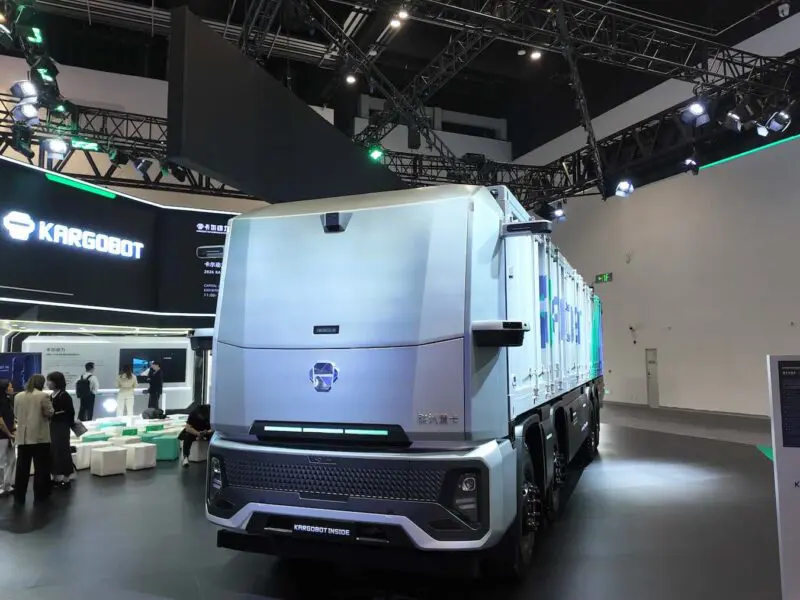
The electric vehicle (EV) industry in 2024 is standing at a critical inflection point. Once driven by early adopters and experimental models, the global market is now brimming with practical options for every budget and category—from compact urban commuters to all-electric pickup trucks and heavy-duty fleets. Global automakers are scaling up production while startups continue to push technological boundaries in areas such as energy density, battery chemistry, and autonomous driving.
In recent months, electric mobility news has been dominated by announcements of improved range, cost reductions, and a surge in infrastructure deployment. As governments tighten emission standards and introduce stricter fuel economy targets, the EV revolution no longer feels inevitable—it is happening.
Rapid Expansion Across Segments
The diversity of new electric models arriving in showrooms reflects a strong consumer appetite for choice. Compact crossovers and sedans remain the top sellers, but electric pickups and vans are finally hitting the roads in significant numbers. Manufacturers are increasingly focusing on platform flexibility: one scalable battery and motor system that powers multiple models. This modular approach brings down manufacturing costs while allowing for different body styles and performance levels.
Luxury carmakers have turned electrification into a statement of innovation and craftsmanship. Flagship EVs are debuting with premium materials, over-the-air software updates, and artificial intelligence–driven driver assistance. Meanwhile, mass-market brands are closing the gap in range, safety, and connectivity, signaling that the competition will no longer be about who can electrify, but who can make electric cars that truly delight consumers.
The Battery Race Heats Up
Battery technology remains at the core of the EV story. 2024 has seen significant progress in solid-state battery research, with several companies announcing pilot production lines. These next-generation batteries promise higher energy density, improved safety, and faster charging. While commercial rollout is still a few years away, industry analysts predict that a major transition could occur before the decade is over.
For now, lithium-ion continues to dominate due to its proven reliability and scalability. Manufacturers are lowering cobalt content, both to reduce costs and to mitigate ethical and environmental concerns. Rapid battery recycling programs are emerging in Asia and Europe, aiming to reintroduce valuable materials into the supply chain and reduce dependence on new mining operations.
Charging Infrastructure: Closing the Gap
Charging anxiety—once a major barrier to EV adoption—is fading fast. Governments and private players are investing heavily in nationwide and cross-border charging networks. High-speed DC chargers along major highways now routinely provide up to 350 kW, shrinking charging times to less than 20 minutes for compatible vehicles.
Residential and workplace charging remain pivotal. Smart charging management systems are being integrated into home energy setups, allowing owners to charge during off-peak hours and even feed electricity back to the grid. This concept, known as Vehicle-to-Grid (V2G), is emerging as a promising tool for managing renewable energy fluctuations and improving grid stability.
Policy and Market Incentives
Public policy remains one of the most powerful levers propelling EV adoption. Several countries have either announced or reaffirmed their phase-out timelines for new internal combustion engine vehicles between 2030 and 2040. Incentives such as tax credits, rebates, and reduced registration fees continue to influence purchase decisions, though some markets are beginning to transition these schemes toward infrastructure and innovation subsidies rather than direct consumer discounts.
In the United States, production tax credits for domestic battery manufacturing have spurred a wave of new gigafactory announcements. European nations are focusing on cross-border integration of charging standards, and China remains the largest single EV market, leveraging its manufacturing scale to compete globally.
Energy Integration and Sustainability
As grids become greener, the climate benefits of EVs solidify. Renewable power sources—especially solar and wind—are now the main contributors to the electricity used for charging in many regions. Automakers are also emphasizing sustainability within their operations: integrating recycled materials, reducing water use, and pledging carbon neutrality throughout vehicle life cycles.
Fleet electrification is another key theme. Delivery companies, public transit departments, and ride-sharing services are increasingly transitioning to zero-emission vehicles. Many are motivated by operational savings in fuel and maintenance, but also by clear corporate sustainability goals driven by customer and investor expectations.
Looking Ahead
The next twelve months will be decisive in shaping long-term consumer perceptions of electric mobility. Software-defined vehicles, vehicle-to-home energy sharing, and autonomous driver-assist features are converging to redefine the purpose of the automobile altogether. While challenges around mineral sourcing, battery disposal, and affordability remain, the pace of progress indicates that these issues are being actively addressed rather than ignored.
If 2023 was the year EVs found mainstream credibility, 2024 is the year they become unavoidable. The transition from niche innovation to daily reality is well underway, and every update in EV news underscores the same conclusion: the electrified future is not merely approaching—it’s already here.