
Charging Ahead: A Comprehensive Look at the Latest in Electric Vehicle News
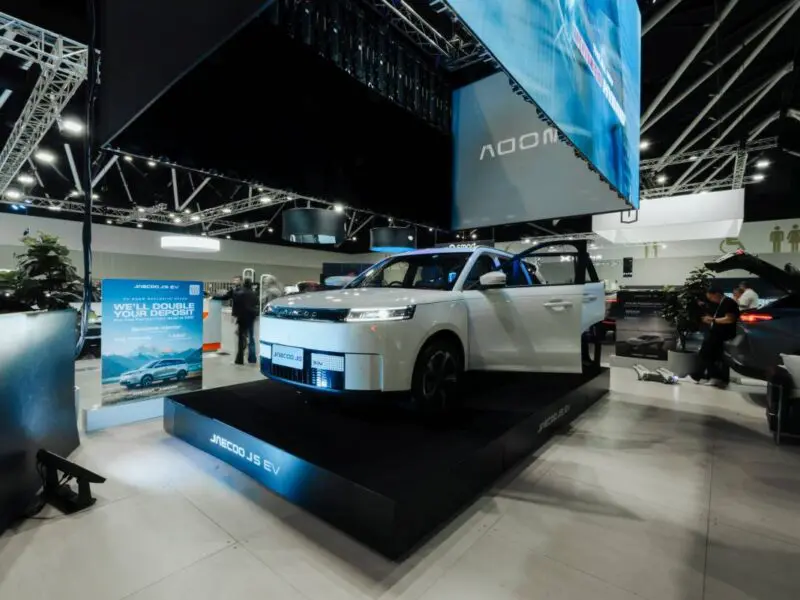
The Rapid Acceleration of the EV Revolution
The electric vehicle (EV) industry continues to advance at an unprecedented pace, with developments occurring across technology, policy, infrastructure, and consumer markets. In the past few months, a surge of announcements from automakers, governments, and technology firms have redefined what the near-future of mobility looks like. This article provides an in-depth overview of key trends shaping the EV space right now — from battery breakthroughs to updated charging standards and global production shifts.
Major Automakers Double Down on Electrification
Legacy vehicle manufacturers are moving quickly to add new electric models to their lineups in response to growing demand and stricter emission standards. Companies that once relied heavily on internal combustion engines are now pivoting aggressively toward battery-electric vehicles (BEVs). Several automakers unveiled next-generation EV platforms capable of supporting multiple size classes and performance tiers, making electric technology more flexible across product lines.
One of the main takeaways from recent industry updates is the commitment to scalable architectures. Mass-production platforms will allow manufacturers to reduce costs by sharing components, helping make EVs more affordable to consumers. As competition intensifies, efficiency improvements in design, aerodynamics, and software integration have become top priorities. Automakers are no longer just competing on range or acceleration; they are now distinguishing themselves through user experience, connectivity, and sustainability.
Battery Breakthroughs: The Race for Better Cells
Battery technology remains the cornerstone of EV progress. Scientists and engineering teams are pushing for higher energy densities, faster charging times, and improved safety. Solid-state batteries are no longer confined to laboratory prototypes — several firms have announced near-commercial readiness, claiming roughly double the energy density of current lithium-ion cells. This could translate into longer range and reduced weight, two factors that have long been both obstacles and performance benchmarks for EVs.
Alongside solid-state research, incremental improvements in nickel-manganese-cobalt (NMC) and lithium iron phosphate (LFP) chemistries continue to deliver practical gains. LFP, in particular, is gaining favor for its lower cost and superior thermal stability, making it ideal for mass-market models and fleet vehicles. Recycling initiatives are also expanding, with companies now reclaiming up to 95% of raw materials from old battery packs. These closed-loop efforts aim to reduce supply chain risks and environmental impact.
Charging Networks Expand and Evolve
A major development across the EV landscape has been the harmonization of charging standards. Multiple automakers have now adopted the North American Charging Standard (NACS), initially spearheaded by Tesla, as new partnerships form to streamline charging access. This unification benefits consumers, fostering a more seamless experience when traveling long distances.
Beyond plug connectors, progress is being made in ultra-fast charging technology. Stations capable of 350 kW or higher output are becoming common in urban areas and along highways. New software systems can dynamically balance loads, reduce queue times, and provide real-time station availability through smartphone apps and vehicle infotainment systems. Furthermore, policymakers are backing widespread deployments of renewable-powered charging hubs that integrate solar and grid-storage solutions to lower overall carbon footprint.
Policy, Incentives, and the Global Push for Electrification
Governments continue to play a pivotal role in accelerating EV adoption. Updated incentive programs in North America, Europe, and Asia emphasize not only personal vehicles but also commercial fleets and heavy-duty transportation. Some regions are tying subsidies to local manufacturing requirements, encouraging investment in domestic battery and semiconductor production.
Regulatory frameworks are extending beyond consumer incentives. Several major cities have introduced future bans on internal combustion engine sales, while others propose low- or zero-emission zones. These initiatives are driving innovation across both public and private sectors. Industry watchers note that tighter standards and longer-term policy alignment have given manufacturers clearer roadmaps to plan their electrification strategies.
Innovation in Design, Software, and Integration
Modern EVs are as much about software as they are about mechanical engineering. Over-the-air (OTA) updates now routinely enhance vehicle performance, improve efficiency, and introduce new features long after the car has left the factory. Infotainment platforms built on modern chipsets support app ecosystems, helping cars become extensions of users’ digital lives.
Artificial intelligence is increasingly leveraged for predictive maintenance, adaptive energy management, and driver-assist systems. The integration of vehicle-to-grid (V2G) technologies enables energy exchange between EVs and power networks, providing stability during demand surges and opening new revenue channels for owners.
The Road Ahead
The future of electric transportation is not without challenges. Supply chain constraints, critical mineral sourcing, and grid readiness require coordinated efforts from multiple sectors. However, innovation continues to outpace obstacles, and the collective momentum is unmistakable. Investors are optimistic, startups remain active in niche sectors like micro-mobility and EV charging analytics, and consumers are increasingly embracing sustainable choices.
As advancements in battery science, energy policy, and digitalization converge, the EV era is steadily moving from early adoption to mainstream reality. The coming years will likely be defined by how quickly these technologies scale, how equitably infrastructure is deployed, and how global markets adapt to the accelerating clean mobility transition.